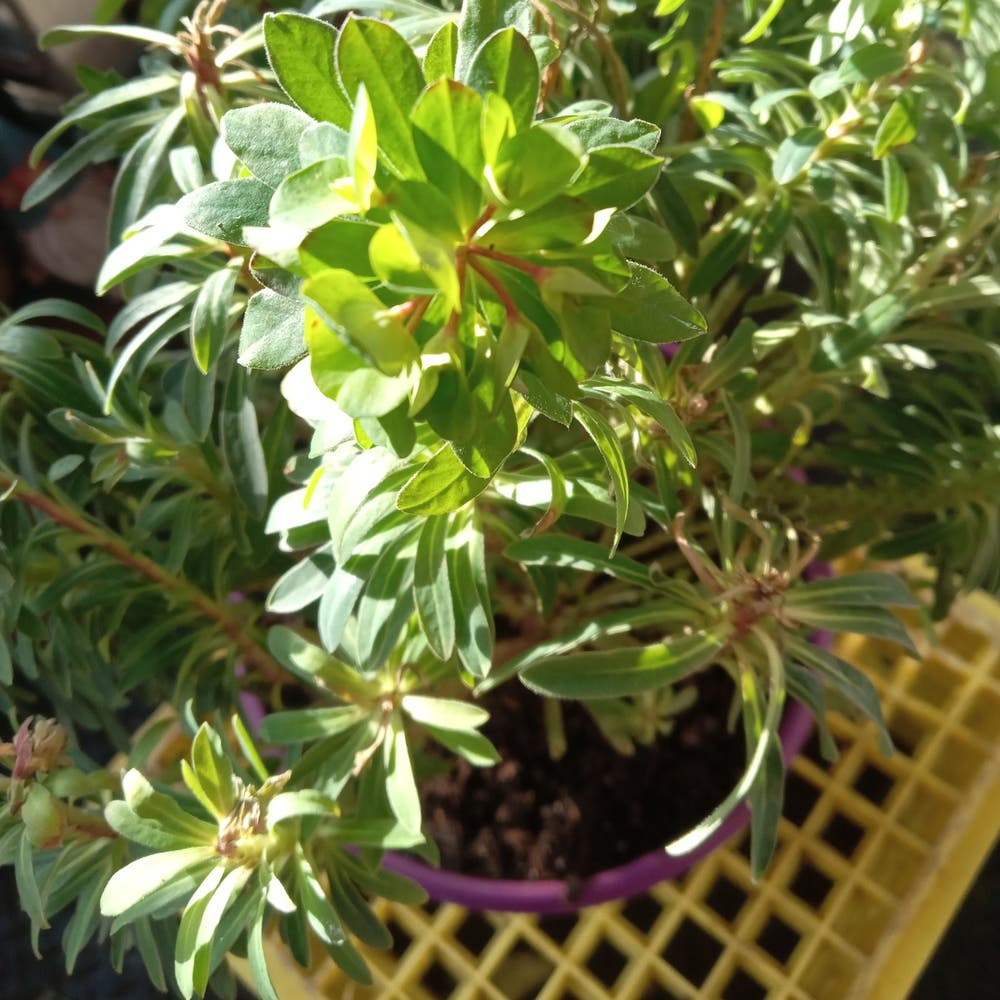
What to Do About Dropping Leaves on Your Spurge 🍂
Euphorbia characias
By the Greg Editorial Team
Jan 07, 2025•7 min read
This article was created with the help of AI so we can cover more plants for you. May contain errors. See one? Report it here.
Stop your spurge from dropping leaves and unlock its full potential with these essential care tips! 🌿✨
- 🌡️ Spurge thrives between 60°F to 80°F; extreme temperatures cause leaf drop.
- 💧 Overwatering leads to yellowing leaves; allow soil to dry out between waterings.
- 🐛 Check for pests like aphids; early detection is key to effective management.
Causes of Leaf Drop
🌡️ Environmental Stress Factors
Temperature extremes can wreak havoc on your spurge. The ideal range is between 60°F to 80°F (15°C to 27°C); anything outside this can lead to stress and leaf drop.
Humidity also plays a crucial role. Spurge prefers low to moderate humidity levels, as high humidity can foster fungal issues that threaten plant health.
💧 Watering Issues
Watering practices are often the culprits behind leaf drop. Overwatering is a common mistake, with signs like yellowing leaves and mushy stems indicating trouble.
On the flip side, underwatering can also cause distress. Symptoms include wilting and dry leaf edges, signaling that your plant is thirsty.
🥦 Nutrient Deficiencies
A lack of essential nutrients can lead to significant problems. Common deficiencies include nitrogen, phosphorus, and potassium, which are vital for healthy growth.
When nutrient levels are low, you may notice stunted growth, pale leaves, and, ultimately, leaf drop. Regular fertilization can help prevent these issues.
🐛 Pest Infestations
Pests can be a hidden menace to your spurge. Aphids and mealybugs are common offenders that can cause serious damage.
Look out for signs of infestation, such as sticky residue on leaves, visible insects, and curling leaves. Early detection is key to managing these pests effectively.
🦠 Disease Problems
Diseases can also contribute to leaf drop. Root rot, often caused by overwatering, leads to wilting and blackened roots, which can be fatal if not addressed.
Fungal infections present another challenge, with symptoms like leaf spots and mold growth. Keeping an eye on your plant's health can help you catch these issues early.
Understanding these causes is the first step in preventing leaf drop. Next, we'll explore how to diagnose the specific issues affecting your spurge.
Diagnosing Leaf Drop
🌿 Identifying Symptoms
When your spurge starts dropping leaves, the first step is to look for visual signs. Yellowing, browning, and dropping leaves are key indicators that something is off.
Timing also plays a crucial role. Note when the leaf drop occurs, as seasonal changes can influence plant behavior.
🌱 Assessing Plant Health and Environment
Next, assess the overall health of your plant. Check soil moisture levels using a moisture meter or your finger to gauge how dry or wet the soil is.
Look for signs of distress or new growth. A healthy spurge should show signs of vigor, while a struggling one may appear stagnant.
🐛 Checking for Pests and Diseases
Inspect the undersides of leaves and stems for pests. Aphids and mealybugs can wreak havoc, so keep an eye out for any visible insects.
Additionally, identify any disease symptoms. Fungal growth or unusual leaf patterns can indicate a problem that needs addressing.
💧 Evaluating Watering Practices
Review your watering schedule to ensure it aligns with your plant's needs. Consider both the frequency and the amount of water you provide.
Finally, assess soil drainage. Proper drainage is essential to prevent waterlogging, which can lead to root rot and further leaf drop.
By carefully diagnosing these aspects, you can pinpoint the cause of leaf drop and take appropriate action to restore your spurge's health. Next, let’s explore effective strategies for preventing leaf drop in the future.
Preventing Leaf Drop
🌊 Best Watering Practices
To keep your spurge healthy, it's crucial to establish a proper watering routine. Allow the soil to dry out between waterings to prevent overwatering, which can lead to root rot.
When you do water, make sure to do so thoroughly until it drains from the bottom. This ensures that the roots receive adequate moisture without sitting in waterlogged soil.
☀️ Ideal Light Conditions
Spurge thrives in bright, indirect light. Avoid exposing it to direct sunlight for prolonged periods, as this can scorch the leaves.
If you notice your plant stretching or leaning, it might be time to adjust its light exposure. Moving it to a brighter spot can help restore its vigor.
🌱 Fertilization Schedule and Tips
Using a balanced, slow-release fertilizer is key to preventing nutrient deficiencies. Apply fertilizer every 4-6 weeks during the growing season to support healthy growth.
Keep an eye on your plant's response to fertilization. If you notice stunted growth or pale leaves, it may be time to reassess your fertilization strategy.
🌬️ Maintaining Optimal Humidity and Temperature
For optimal growth, maintain humidity levels between 30% to 50%. Too much humidity can lead to fungal issues, while too little can cause stress.
Temperature control is equally important. Avoid drafts and sudden temperature changes to keep your spurge thriving in its ideal environment.
By following these preventive measures, you can significantly reduce the chances of leaf drop and ensure your spurge remains healthy and vibrant. Next, let’s explore how to treat leaf drop effectively if it does occur.
Treating Leaf Drop
🌊 Step-by-Step Guide to Treating Overwatering
Overwatering is a common culprit behind leaf drop in spurge. Start by assessing soil moisture using a moisture meter or your finger to check how wet the soil is.
Next, adjust your watering schedule. Reduce both the frequency and the amount of water you provide to allow the soil to dry out properly.
If the problem persists, improve drainage. Consider repotting your spurge in well-draining soil to prevent future issues.
🐛 How to Address Pest Infestations
Pests can wreak havoc on your spurge, leading to leaf drop. Begin by identifying the pest; a magnifying glass can help you spot tiny invaders like aphids or mealybugs.
Once identified, explore treatment options. Neem oil or insecticidal soap can be effective in managing these pests.
Don't forget to monitor your plants regularly. Check them weekly for signs of reinfestation to keep your spurge healthy.
🌱 Remedies for Nutrient Deficiencies
Nutrient deficiencies can also cause leaf drop. Start by conducting soil testing to determine nutrient levels and pH.
Once you know what your plant needs, apply the appropriate fertilizers. This will help replenish any lacking nutrients.
Finally, keep an eye on your plant's response. Look for new growth and improved health as signs that your efforts are working.
🦠 Managing Diseases Affecting Spurge
Diseases can be tricky, but identifying them early is key. Look for specific symptoms, such as wilting or root rot, to determine the issue.
After identifying the disease, implement treatment methods. Remove any affected parts and improve your care practices to support recovery.
Lastly, focus on preventive measures. Ensure proper watering and air circulation to keep diseases at bay.
With these steps, you can effectively treat leaf drop and help your spurge thrive once again. Next, let’s explore how to care for your plant after it has dropped leaves.
Post-Drop Care
✂️ Pruning Techniques
After your spurge has dropped leaves, it's time to prune. This encourages new growth and helps the plant focus its energy on recovery.
Use clean, sharp pruning shears to avoid introducing any infections. A good cut can make all the difference in how quickly your plant rebounds.
🌱 Encouraging New Growth
To foster new growth, provide optimal conditions for your spurge. Ensure it receives the right amount of light, water, and nutrients.
Be patient; recovery can take weeks. Your plant needs time to adjust and thrive again.
🔍 Monitoring Plant Recovery
Regular check-ins are essential for assessing your plant's health. Make it a habit to evaluate its condition weekly.
Adjust care as needed based on recovery signs. Modifying watering, light, and fertilization can significantly impact your spurge's comeback.
With these steps, you'll be well on your way to nurturing a healthy, vibrant spurge once more. Next, let's explore how to treat leaf drop effectively.
⚠️ Safety First
This content is for general information and may contain errors, omissions, or outdated details. It is not medical, veterinary advice, or an endorsement of therapeutic claims.
Always consult a qualified healthcare professional before using any plant as food, medicine, or supplement.
Never eat any plant (or feed one to pets) without confirming its identity with at least two trusted sources.
If you suspect poisoning, call Poison Control (800) 222-1222, the Pet Poison Helpline (800) 213-6680, or your local emergency service immediately.
Spotted an error? Please report it here.
Revitalize your spurge and prevent leaf drop by mastering its care needs, and let Greg guide you with custom reminders 🌿 to ensure your plant thrives in its ideal environment!