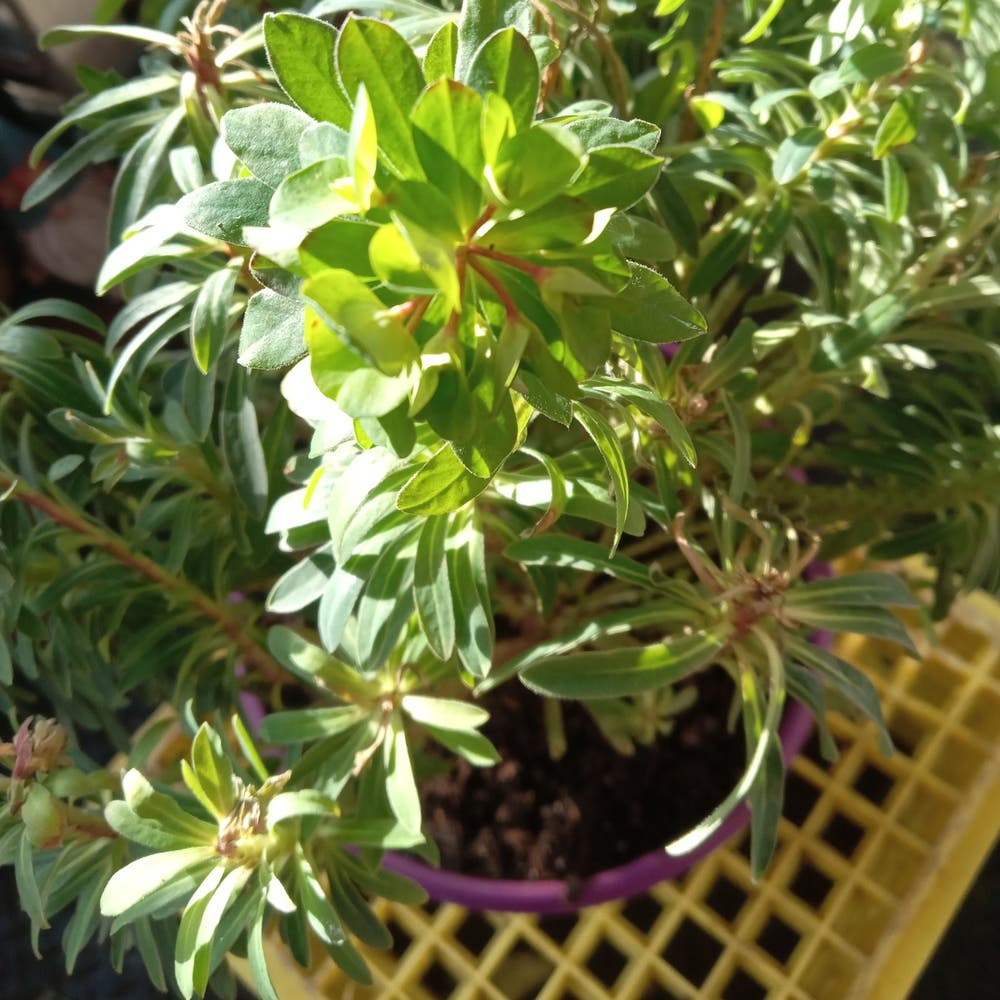
Why Are There Brown Spots on My Albanian Spurge Leaves?
Euphorbia characias
By the Greg Editorial Team
Jan 18, 2024•3 min read
This article was created with the help of AI so we can cover more plants for you. May contain errors. See one? Report it here.
Banish brown spots 🍂 on your Albanian Spurge with expert prevention and quick-fix tips!
- Act fast against brown spots to save your Albanian Spurge.
- Balance water and light to prevent environmental stress-related spots.
- Regular inspections and toolkit ready for early intervention.
First Response: Treating Brown Spots
🛡️ Battling Fungi and Bacteria
When your Albanian Spurge sports unsightly brown spots, immediate action is key. Fungi and bacteria are no match for the right fungicides and bactericides, but it's like choosing a suit of armor—you need the perfect fit. Copper-based fungicides are the knights in shining armor for fungal foes, but they must be applied with precision. Cover every leaf; this isn't a time for skimping.
For bacteria, it's a similar drill. Identify the culprit and select a bactericide that's up for the task. Remember, it's not just about the product but also the application. Spray with the meticulousness of a street artist, ensuring no spot is left untouched. And stick to the reapplication schedule like it's the most gripping series on TV.
💧 Easing Environmental Stress
🚰 Water Wisely
Overwatering is like throwing a pool party without a pool. Let the soil's top layer dry out before watering again to avoid root rot and fungal invitations. Well-draining soil is your Spurge's best friend, ensuring excess water has an escape route.
🌞 Light It Right
Too much sun and your Spurge might as well be sunbathing on the equator. Too little, and it's groping in the dark. Adjust light exposure to that sweet spot of bright, indirect light. It's like finding the perfect temperature in a finicky shower—takes a bit of tweaking, but oh so worth it.
Keeping Spots at Bay: Prevention Strategies
🔍 Routine Check-ups
Regular inspections are crucial for spotting early signs of trouble on your Albanian Spurge. Like a detective on a stakeout, you need to be observant and proactive. Keep an eye out for the slightest discoloration or unusual markings on leaves that could signal the onset of brown spots.
Treatment toolkit should always be at the ready. This includes fungicides, bactericides, and sterilized pruning tools. Think of it as your plant's first-aid kit—essential for quick and effective intervention.
🌱 Cultural Best Practices
Soil and water management are key to preventing brown spots. Ensure you're using a well-draining, sterile potting mix to avoid waterlogging, which can invite a host of pathogens. Water your Spurge with the precision of a master chef—only when the soil feels just dry enough to warrant it.
Light and space are like the room and board for your plant's well-being. Position your Spurge where it receives the right amount of light—bright but not direct sunlight that could scorch the leaves. Think of it as the Goldilocks zone: not too much, not too little, just right.
Managing pests is about keeping your plant robust and resilient. Consistent temperatures and bright, indirect light can make your Spurge less appealing to pests. It's like keeping your immune system strong; a healthy plant is less likely to succumb to infestations and diseases.
Pruning is an art. Remove affected foliage with the precision of a surgeon using sterilized tools. This isn't just a cosmetic fix—it's a strategic cut to prevent the spread of disease.
Remember, the best offense against brown spots is a good defense. Regular care, combined with vigilance and quick action, will keep your Albanian Spurge looking spotless and splendid.
⚠️ Safety First
This content is for general information and may contain errors, omissions, or outdated details. It is not medical, veterinary advice, or an endorsement of therapeutic claims.
Always consult a qualified healthcare professional before using any plant as food, medicine, or supplement.
Never eat any plant (or feed one to pets) without confirming its identity with at least two trusted sources.
If you suspect poisoning, call Poison Control (800) 222-1222, the Pet Poison Helpline (800) 213-6680, or your local emergency service immediately.
Spotted an error? Please report it here.
Eradicate brown spots on your Albanian Spurge by staying vigilant and proactive, and let Greg 🛡️ be your ally with custom alerts for watering, light, and care to keep your plant thriving.