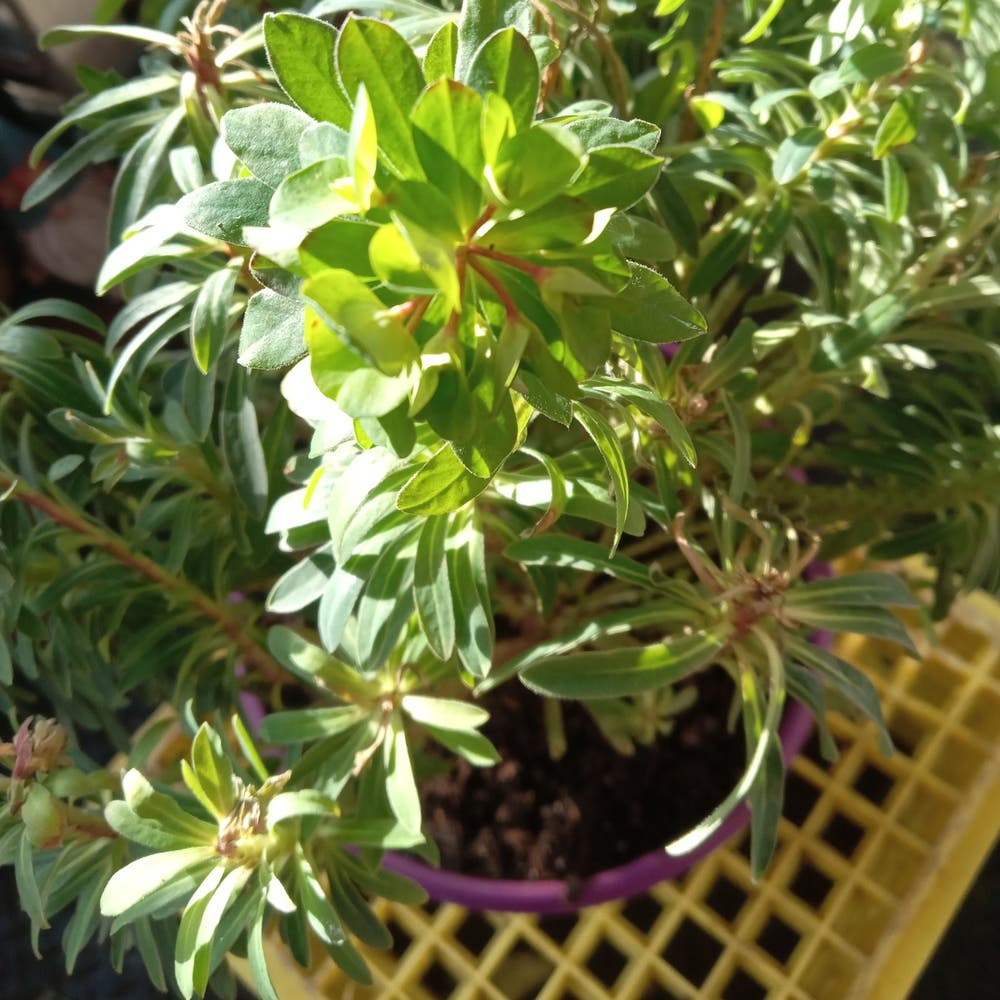
5 Tips for Healing Leaves Falling Over on Your Spurge 🩹
Euphorbia characias
By the Greg Editorial Team
Jan 07, 2025•5 min read
This article was created with the help of AI so we can cover more plants for you. May contain errors. See one? Report it here.
Transform your drooping Spurge into a thriving beauty 🌿 with essential tips on watering, pests, and care!
- 💧 Overwatering causes drooping leaves; ensure soil dries out between waterings.
- 🌡️ Spurge thrives in 60°F to 80°F; monitor temperature and humidity for optimal health.
- 🐛 Pest infestations lead to drooping; inspect regularly for early intervention.
Causes of Leaves Falling Over
💧 Overwatering Signs and Solutions
Overwatering is a common issue that can lead to serious problems for your Spurge. Symptoms include yellowing leaves and mushy stems, which indicate that the plant is struggling to cope with excess moisture.
Root rot is another critical sign of overwatering. Look for dark, mushy roots that may emit a foul odor, signaling that your plant needs immediate attention.
To remedy overwatering, start by adjusting your watering frequency. Allow the soil to dry out between waterings to promote healthier root growth.
Improving drainage is also essential. Use pots with drainage holes to prevent water from pooling at the bottom, which can suffocate roots.
If the problem persists, consider repotting your Spurge in fresh, well-draining soil. This can rejuvenate your plant and help it recover from the effects of overwatering.
🚰 Underwatering Signs and Solutions
On the flip side, underwatering can also cause leaves to droop. Symptoms include crispy, brown leaf edges and leaves that appear limp and lifeless.
Another telltale sign of underwatering is soil pulling away from the pot edges, indicating that the plant is not receiving enough moisture.
To combat underwatering, establish a consistent watering schedule. Regularly check the soil moisture to ensure your Spurge is getting the hydration it needs.
Techniques for deep watering can also help saturate the soil effectively. Water thoroughly until you see excess moisture draining from the bottom of the pot.
Using moisture meters can provide accurate readings of soil moisture levels. This tool can help you determine when it’s time to water, preventing both over and underwatering.
🐛 Pest Infestations and Their Impact
Pest infestations can significantly impact the health of your Spurge. Common pests include aphids, mealybugs, and spider mites, all of which can cause leaves to fall over.
Signs of pest infestations include visible insects, webbing, or sticky residue on leaves. If you notice any of these indicators, it’s time to take action.
Control methods for pests can be effective and eco-friendly. Natural remedies like neem oil and insecticidal soap can help eliminate pests without harming your plant.
Regular inspection is crucial for early intervention. By checking your plant frequently, you can catch infestations before they escalate.
🌍 Environmental Stress Factors
Environmental stress factors can also lead to drooping leaves. Temperature is a key consideration; Spurge thrives in an ideal range of 60°F to 80°F (15°C to 27°C).
Extreme temperatures can negatively affect leaf health. If your plant is exposed to cold drafts or excessive heat, it may show signs of stress.
Humidity preferences are another factor to consider. Spurge generally prefers moderate humidity levels, and low humidity can contribute to drooping leaves.
To combat low humidity environments, consider using a humidifier or placing a tray of water near your plant. This can help create a more favorable atmosphere for your Spurge to thrive.
Preventive Measures
Proper Watering Techniques 🌊
Effective watering is crucial for your Spurge's health. Aim to water every 2-3 weeks, adjusting based on environmental conditions.
To determine when to water, check the soil moisture levels. If the top inch of soil feels dry, it’s time to give your plant a drink.
Drainage plays a vital role in watering practices. Ensure your pots have drainage holes to prevent water from pooling, which can lead to root rot.
Ideal Soil Conditions 🌱
Choosing the right soil is essential for your Spurge's growth. A well-draining potting mix that includes sand or perlite is highly recommended.
Additionally, maintaining the right soil pH is important. Aim for a pH level between 6.0 and 7.0 for optimal growth.
Optimal Light Requirements ☀️
Light conditions significantly impact your Spurge's health. Ideally, your plant should receive 4-6 hours of direct sunlight, thriving in full sun to partial shade.
Be mindful of signs indicating too much light, such as leaf scorch and browning. Adjust your plant's position if you notice these symptoms to ensure it remains healthy and vibrant.
By following these preventive measures, you can create an ideal environment for your Spurge, reducing the risk of leaves falling over and promoting robust growth. Next, let’s explore a step-by-step recovery guide to help your plant bounce back if it shows signs of distress.
Step-by-Step Recovery Guide
Assessing the Plant's Condition 🌱
Start by conducting a thorough visual inspection of your Spurge. Look for any signs of stress, such as drooping leaves or discoloration.
Next, check the root health. Healthy roots should be firm and white, while rotting roots will appear brown and mushy.
Adjusting Care Routines Based on Diagnosis 🔧
Once you've assessed the plant's condition, tailor your care routines accordingly. Adjust your watering schedule and light exposure based on the symptoms you've observed.
If you notice any pests, implement control measures immediately. This could include using natural remedies or insecticidal soaps to protect your plant.
Re-potting or Changing Soil if Necessary 🌍
Consider re-potting if your plant shows signs of being root-bound. This is crucial for its recovery and overall health.
Follow these steps for successful re-potting:
- Choose a slightly larger pot with drainage holes to prevent waterlogging.
- Gently remove the plant from its current pot, taking care not to damage the roots.
- Fill the new pot with fresh, well-draining soil to provide a healthy environment.
Monitoring Recovery Progress 📈
Regularly check in on your plant's leaf health and growth. This will help you gauge its recovery and make necessary adjustments to your care routine.
As your Spurge shows signs of improvement, continue to adapt your care practices. This proactive approach will ensure your plant thrives in the long run.
⚠️ Safety First
This content is for general information and may contain errors, omissions, or outdated details. It is not medical, veterinary advice, or an endorsement of therapeutic claims.
Always consult a qualified healthcare professional before using any plant as food, medicine, or supplement.
Never eat any plant (or feed one to pets) without confirming its identity with at least two trusted sources.
If you suspect poisoning, call Poison Control (800) 222-1222, the Pet Poison Helpline (800) 213-6680, or your local emergency service immediately.
Spotted an error? Please report it here.
Revive your Spurge and keep those leaves perky 🌱 by using Greg's tailored watering reminders and moisture tracking to ensure your plant thrives beautifully!