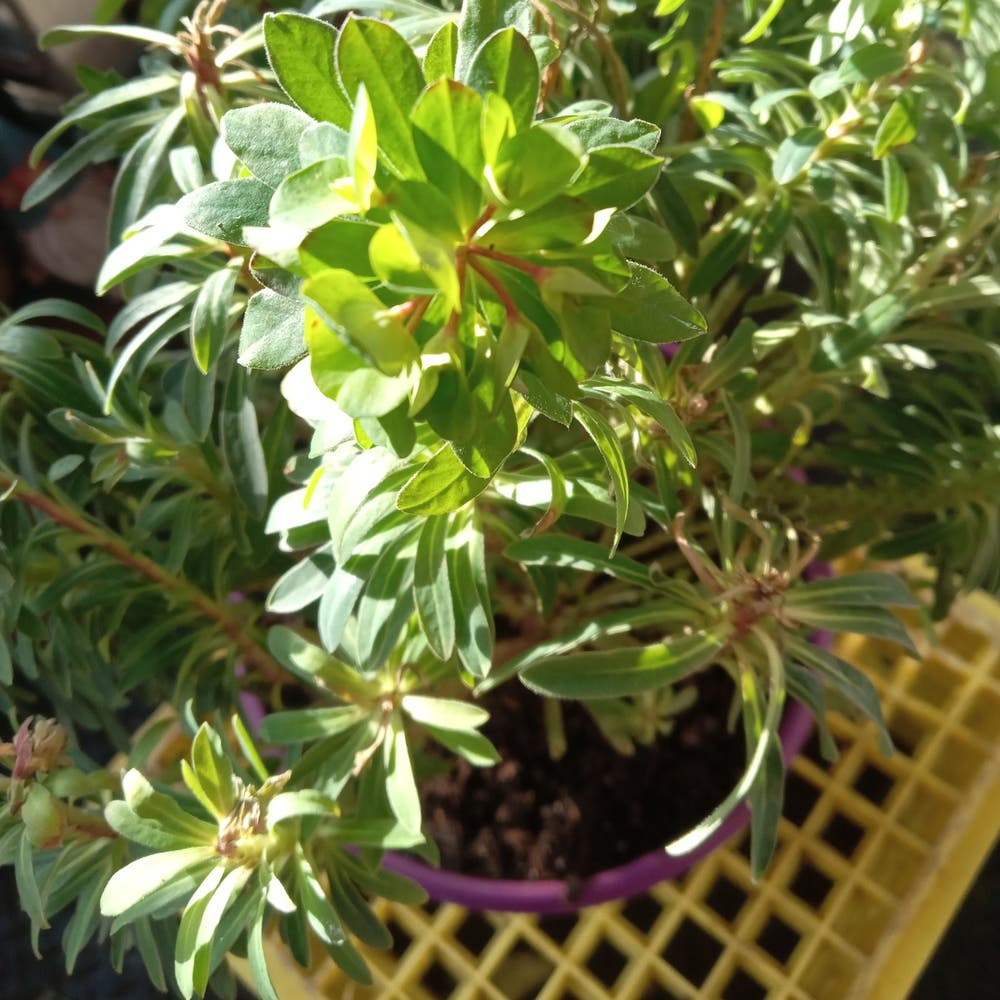
The Meaning of Spurge Flowers 🌼
Euphorbia characias
By the Greg Editorial Team
Jan 07, 2025•5 min read
This article was created with the help of AI so we can cover more plants for you. May contain errors. See one? Report it here.
Unlock the vibrant blooms of Spurge 🌸 and transform your garden with these essential care tips!
- 🌼 Spurge flowers are vibrant and often surrounded by colorful bracts, enhancing their appeal.
- 🌞 Proper care with 6-8 hours of sunlight encourages blooming and longevity of flowers.
- 🌱 Spurge plants thrive post-bloom, continuing to grow and potentially bloom again.
Flowering Status of Spurge
Clarification on Flower Production 🌸
Spurge plants, belonging to the Euphorbia genus, have a fascinating relationship with flowering. While many Spurge species are known for their striking ornamental foliage rather than their flowers, some do indeed produce blooms.
Most Spurge varieties showcase lush leaves that can add vibrant color and texture to any garden. However, if you're looking for flowers, you might want to focus on specific types like Euphorbia milii, commonly known as the Crown of Thorns, which is celebrated for its unique and colorful blooms.
This duality in Spurge's characteristics makes it a versatile choice for gardeners. Whether you appreciate the foliage or the flowers, there's a Spurge variety that can meet your aesthetic needs.
As we delve deeper into the flowering aspects of Spurge, we’ll explore the characteristics of its blooms, the blooming process, and how to encourage these plants to flower.
If Spurge Does Flower
🌼 Flower Characteristics
Description of Colors and Structure
Spurge flowers are known for their vibrant colors, typically showcasing hues of yellow, green, and red. These small, clustered flowers are often surrounded by colorful bracts, which enhance their visual appeal and make them stand out in any garden.
Self-Pollination vs. External Pollination
Many Spurge species have the ability to self-pollinate, but some require external pollination by insects or wind. For example, flowering varieties like Euphorbia milii benefit from both methods, ensuring successful reproduction.
🌸 Blooming Process
Stages of Blooming and Typical Bloom Time
The blooming process of Spurge involves several stages: bud formation, opening, and reaching full bloom. Typically, various Spurge species bloom during the warmer months, with some beginning as early as spring.
Duration from Bud Formation to Full Bloom
On average, it takes about 2-4 weeks for Spurge flowers to transition from bud formation to full bloom. This timeframe can vary depending on species and environmental conditions.
Lifespan of Flowers
Once in bloom, Spurge flowers generally last between 1-2 months. The lifespan can fluctuate based on species and care, making it essential to provide optimal growing conditions.
🌱 Encouraging Blooms
Tips for Encouraging Spurge to Bloom
To encourage your Spurge to bloom, ensure it receives full sun exposure for 6-8 hours daily. Additionally, proper watering techniques are crucial; avoid overwatering to prevent root rot, which can hinder flowering.
Factors Influencing Flowering
Several environmental factors influence Spurge flowering, including temperature, humidity, and soil conditions. Maintaining plant health is also vital, as stress factors like pests or disease can inhibit blooming.
🌿 Post-Flowering
What Happens After the Flowering Period
After the flowering period, Spurge plants may produce seeds or engage in vegetative growth. This adaptability allows them to thrive even after their blooms fade.
Discussion on Whether Spurge Dies After Flowering
Unlike some annual plants, most Spurge species do not die after flowering. They continue to live and grow, often returning to bloom in subsequent seasons.
🐝 Pollination
Description of Pollination Methods for Spurge
Spurge employs various pollination methods, including wind, insects, and self-pollination. Pollinators play a crucial role in the reproductive strategy of flowering Spurge varieties, ensuring genetic diversity and successful seed production.
If Spurge Doesn't Flower
🌿 Primary Ornamental or Functional Features of Spurge
Spurge plants are celebrated for their striking foliage, which comes in a variety of colors, textures, and shapes. Their leaves can be vibrant green, deep purple, or even variegated, making them a favorite choice for gardeners looking to add visual interest.
In landscaping, Spurge serves multiple purposes. It works well as ground cover, filling in bare spots with lush greenery. Additionally, it makes an excellent border plant and thrives in container gardening, providing versatility in design.
🌱 Reproductive Strategies Without Flowers
Many Spurge species employ vegetative reproduction to thrive without flowers. This method includes techniques like stem cuttings and offsets, allowing the plant to propagate efficiently.
Non-flowering Spurge species maintain their populations through these strategies, ensuring their survival and spread in various environments. This adaptability highlights the resilience of Spurge, even in the absence of blooms.
As we explore the unique aspects of Spurge, we’ll uncover more about its fascinating characteristics and ecological significance.
Unique Aspects of Spurge
🌼 Unusual Characteristics Related to Spurge's Flowering or Non-Flowering Nature
One of the most fascinating features of many Spurge species is their milky sap. This latex-like substance serves as a natural deterrent against herbivores, protecting the plant from being eaten.
Additionally, some Spurge varieties have unique adaptations that influence their flowering behavior. These adaptations can affect how well the plant thrives in various environments, ultimately impacting its health and blooming potential.
📚 Interesting Facts or Trivia About Spurge's Reproductive Strategy
Historically, Spurge has found its way into traditional medicine and gardening practices. Various cultures have utilized its properties for medicinal purposes, showcasing its versatility beyond mere aesthetics.
Moreover, the Euphorbia genus is incredibly diverse, with thousands of species exhibiting a wide range of forms and functions. This diversity not only enriches our gardens but also plays a significant role in ecological systems, providing habitats and food sources for various organisms.
⚠️ Safety First
This content is for general information and may contain errors, omissions, or outdated details. It is not medical, veterinary advice, or an endorsement of therapeutic claims.
Always consult a qualified healthcare professional before using any plant as food, medicine, or supplement.
Never eat any plant (or feed one to pets) without confirming its identity with at least two trusted sources.
If you suspect poisoning, call Poison Control (800) 222-1222, the Pet Poison Helpline (800) 213-6680, or your local emergency service immediately.
Spotted an error? Please report it here.
Unlock the vibrant blooms of your Spurge plants 🌼 with Greg's tailored care reminders that ensure they thrive in your garden!