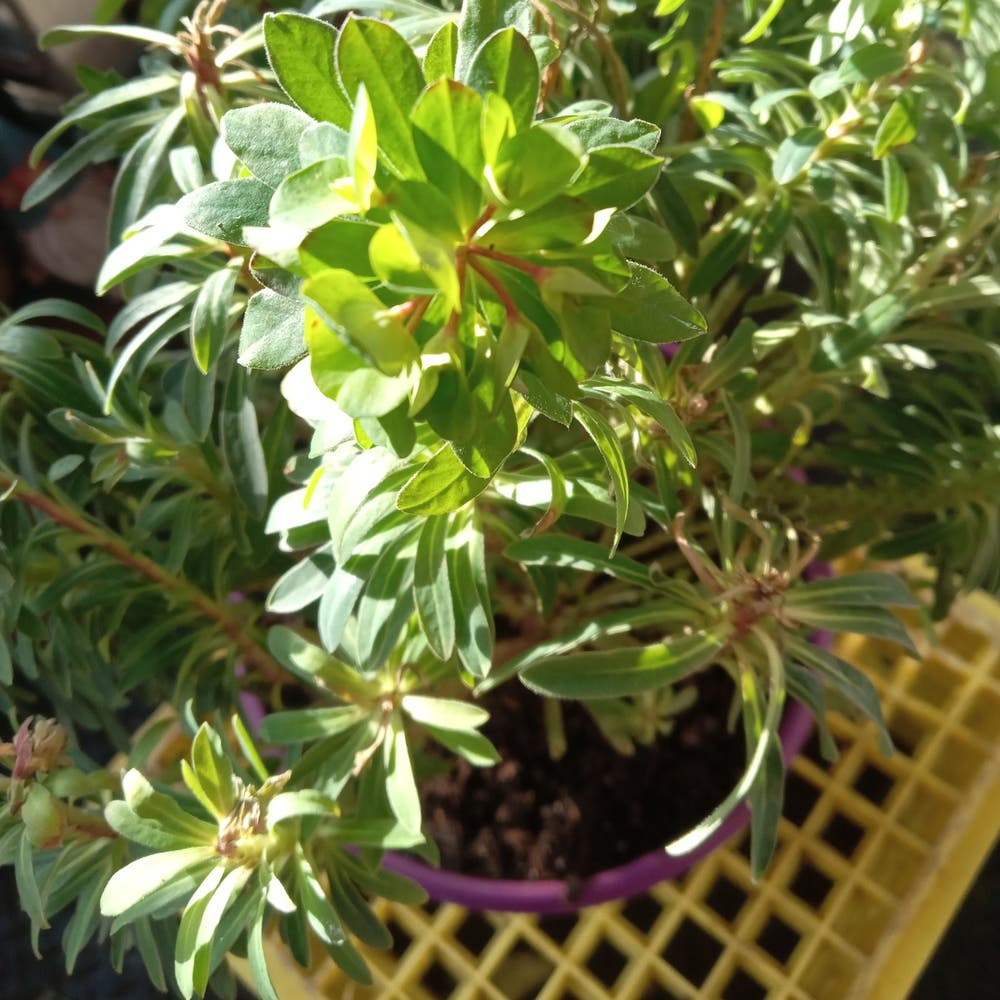
🐛 Ultimate Guide to Albanian Spurge Lifecycle
Euphorbia characias
By the Greg Editorial Team
Sep 30, 2024•4 min read
This article was created with the help of AI so we can cover more plants for you. May contain errors. See one? Report it here.
Cultivate vibrant Albanian Spurge 🌱 by mastering its growth stages for a flourishing garden experience!
- 🌱 Albanian Spurge seeds germinate best at 20-25°C with light exposure.
- 🌞 Seedlings need 6-8 hours of sunlight daily for optimal growth.
- 🌼 Understanding the lifecycle stages is key for successful cultivation and longevity.
Seed and Germination Stage
Description of Seed Characteristics 🌱
Albanian Spurge seeds are small, measuring just 1-2 mm in diameter. Their brown to black color and hard seed coat help protect them and promote dormancy.
Germination Process and Conditions 🌡️
For optimal germination, maintain a temperature between 20-25°C (68-77°F). Interestingly, exposing seeds to some light can actually enhance their germination rates.
Soil Conditions 🏞️
These seeds thrive in well-drained, sandy, or loamy soil. Proper soil conditions are crucial for successful germination.
Duration of Germination Stage ⏳
Typically, seeds germinate within 7-14 days when conditions are just right. However, factors like soil moisture, temperature, and light availability can significantly affect this timeline.
Understanding the seed and germination stage is essential for cultivating healthy Albanian Spurge plants. Next, we’ll explore the seedling stage, where the young plants begin to take shape.
Seedling Stage
🌱 Characteristics of Seedlings
The seedling stage is an exciting time for Albanian Spurge. Initially, cotyledons emerge, followed closely by true leaves that showcase their unique, succulent-like structure, designed to store water efficiently.
These leaves not only serve a functional purpose but also give the seedlings a distinctive appearance, making them a joy to observe as they grow.
🌞 Environmental Needs for Optimal Growth
To thrive, Albanian Spurge seedlings require full sun exposure, ideally soaking up 6-8 hours of sunlight daily. This light is crucial for photosynthesis, which fuels their growth.
Soil quality is equally important; well-drained soil helps prevent root rot, ensuring the seedlings remain healthy. Additionally, moderate watering is key—allow the soil to dry out between watering sessions to avoid over-saturation.
⏳ Duration of the Seedling Stage
Typically, the seedling stage lasts about 4-6 weeks, during which the seedlings develop strength and resilience. You'll know they’re ready for transplanting when they boast 2-3 sets of true leaves, indicating robust growth.
This stage is a critical foundation for the plant's future, setting the stage for its journey through the lifecycle.
As we move forward, let’s explore the vibrant vegetative growth stage, where these seedlings transform into thriving plants.
Vegetative Growth Stage
Description of Vegetative Growth 🌱
During the vegetative growth stage, Albanian Spurge experiences a rapid increase in both height and leaf production. Typically, this plant can grow to a height of 30-60 cm, depending on the environmental conditions.
Factors Influencing Growth Rate 🌿
Several key factors influence the growth rate of Albanian Spurge:
- Soil Quality: Nutrient-rich, well-draining soil significantly enhances growth.
- Water Availability: Consistent moisture is essential for healthy development.
- Sunlight: Adequate light exposure is crucial for effective photosynthesis.
Duration of Vegetative Growth Stage ⏳
The vegetative growth stage usually lasts between 2-3 months, but this can vary based on environmental conditions. Notably, growth may slow down during cooler months, so keep an eye on the temperature.
Understanding these aspects of the vegetative growth stage is vital for successful cultivation. With the right conditions, you can witness the impressive transformation of Albanian Spurge as it flourishes.
As we move forward, let's explore the flowering stage, where this plant truly begins to showcase its beauty.
Flowering Stage
Description of Flowering Process 🌸
The flowering stage of the Albanian Spurge is marked by small, inconspicuous flowers that cluster together. These blooms typically emerge in late spring to early summer, adding a subtle charm to the plant.
Pollination and Reproductive Strategies 🐝
Albanian Spurge primarily relies on wind for pollination, though it can attract various pollinators. During its reproductive cycle, the plant can produce a significant number of seeds, ensuring its survival and spread.
Duration of Flowering Stage ⏳
The flowering stage lasts about 4-6 weeks, but this can vary based on environmental conditions. Factors such as temperature, light, and moisture levels play a crucial role in determining the exact duration of this vibrant phase.
Understanding the flowering stage is essential for anyone looking to cultivate Albanian Spurge effectively. It sets the stage for seed production and the continuation of the plant's lifecycle, leading us to the next critical phase: seed production and maturation.
Seed Production and Maturation
Maturation Time for Seeds 🌱
After flowering, Albanian Spurge seeds typically take about 4-6 weeks to mature. For optimal seed development, warm temperatures and adequate moisture are essential.
Lifespan of the Plant and Its Implications ⏳
Under ideal conditions, the Albanian Spurge has a lifespan of 3-5 years. However, factors like environmental conditions, soil quality, and care practices can influence this duration.
Understanding the lifespan of this plant is crucial for effective propagation and cultivation strategies. Knowing when to plant and how to care for it can significantly enhance your gardening success.
As we explore the next stages of the Albanian Spurge lifecycle, consider how these factors interplay to create a thriving ecosystem.
⚠️ Safety First
This content is for general information and may contain errors, omissions, or outdated details. It is not medical, veterinary advice, or an endorsement of therapeutic claims.
Always consult a qualified healthcare professional before using any plant as food, medicine, or supplement.
Never eat any plant (or feed one to pets) without confirming its identity with at least two trusted sources.
If you suspect poisoning, call Poison Control (800) 222-1222, the Pet Poison Helpline (800) 213-6680, or your local emergency service immediately.
Spotted an error? Please report it here.
Master the lifecycle of Albanian Spurge 🌼 with Greg's tailored care reminders, ensuring your plants thrive from seed to bloom!