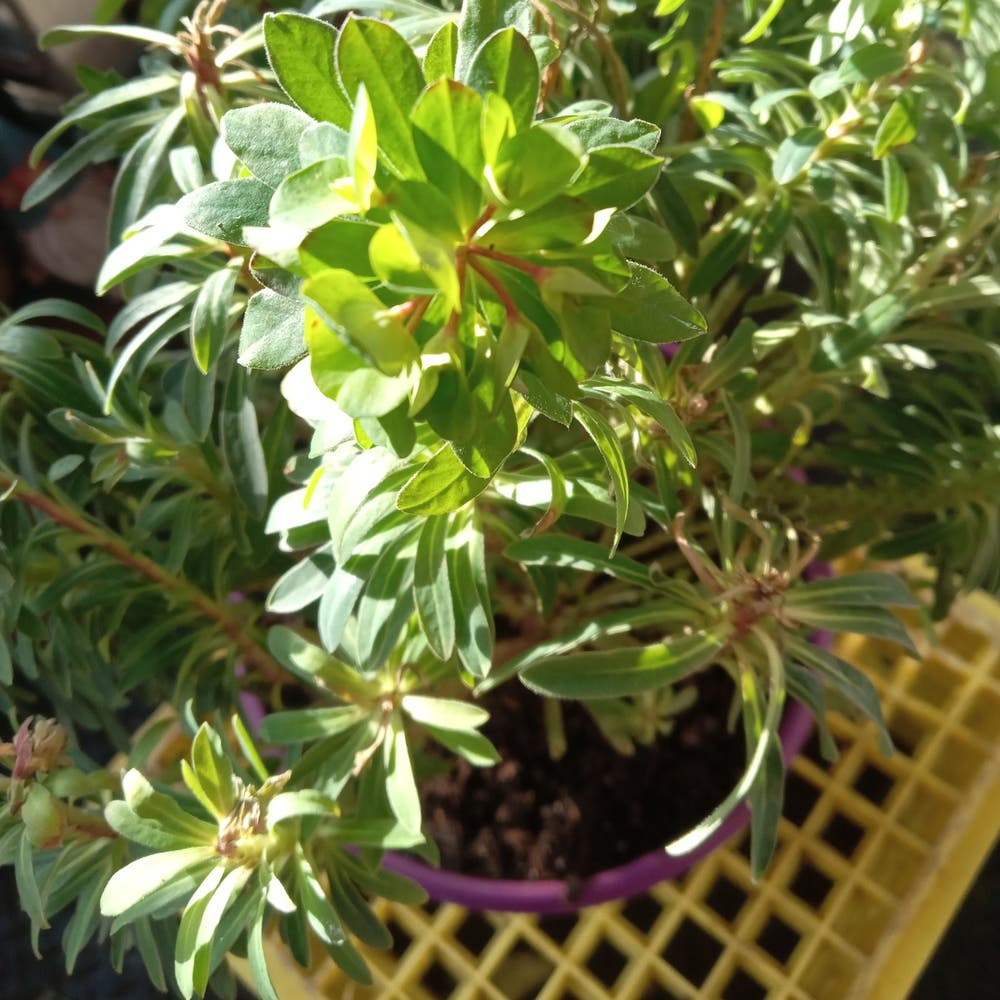
Albanian Spurge - Ultimate Guide to Fertilizing
Euphorbia characias
By the Greg Editorial Team
Jun 18, 2024•4 min read
This article was created with the help of AI so we can cover more plants for you. May contain errors. See one? Report it here.
- Organic vs. Synthetic: Choose based on soil health and bloom boost needs.
- Seasonal Fertilizing: Spring for growth, summer for blooms, rest in fall/winter.
- Dosage Matters: Right amount prevents root burn and encourages healthy growth.
Picking the Perfect Fertilizer for Your Albanian Spurge
💚 Organic vs. Synthetic: Which Suits Your Spurge?
In the quest for the lush Albanian Spurge, gardeners face the organic versus synthetic conundrum. Organic fertilizers are the tortoises in this race, releasing nutrients at a snail's pace but enriching the soil ecosystem for the long haul. They're like the slow, steady infusion of nutrients that build up your plant's health over time, without the risk of chemical burns.
On the flip side, synthetic fertilizers are the hares, offering a rapid-fire nutrient boost that can supercharge growth and blooming. However, they come with a caveat: the potential for overuse and the subsequent nutrient burn. They're not the villains they're often made out to be, but they do require a careful hand. Plus, there's the environmental toll to consider, as synthetics don't do any favors for soil life.
🌱 Slow-Release Magic or Liquid Love?
Choosing between slow-release and liquid fertilizers is like picking between a marathon and a sprint. Slow-release formulas are the set-it-and-forget-it option, gradually dispensing nutrients over weeks or months. They're ideal for the forgetful gardener who wants to minimize maintenance.
Liquid fertilizers, however, are the quick fix. They act fast, but their effects are fleeting, necessitating more frequent applications. They're perfect for the hands-on gardener looking to give their Spurge a quick pick-me-up. Just remember, with great power comes great responsibility—overdo it, and you'll be nursing a sick plant back to health.
Timing is Everything: When to Fertilize
📅 Seasonal Smarts: Fertilizing Through the Year
Spring is your green light for fertilizing Albanian Spurge. As the plant shakes off dormancy, it's primed for a nutrient boost. Early spring applications set the stage for vigorous growth and a spectacular bloom show.
In summer, your Spurge is in full diva mode, flaunting its blooms. A consistent feeding schedule supports this performance, ensuring the spotlight stays on those vibrant flowers.
Come fall, it's time to ease off the gas. Fertilizing now could encourage tender growth, vulnerable to winter's chill. And in winter, let your Spurge rest; it's not the time for a nutrient nudge.
Life Stages of Spurge: Young Sprouts vs. Mature Plants
For young sprouts, go easy on the fertilizer. They're like teens learning to drive—too much too soon can lead to problems. A gentle, balanced diet supports healthy growth without overwhelming these youngsters.
Mature plants, however, are ready for the full menu. They'll devour a heartier meal to support their established presence in your garden. Adjust the portions as your Spurge grows, and watch it thrive under your tailored care.
The Art of Application: How to Fertilize Right
💧 Dosage and Dilution: Getting the Mix Just Right
Finding the sweet spot for fertilizer dosage can feel like a high-stakes chemistry experiment. Overdo it, and you're in for a world of root burn; underdo it, and your Albanian Spurge might as well be on a hunger strike. Stick to the mantra of less is more—a teaspoon diluted in water often suffices. And remember, your plant's thirst for nutrients isn't a bottomless pit.
🌿 Technique Triumphs: Even Distribution Without Burns
When it comes to applying fertilizer, think of it as a stealth operation—even distribution is key. Pour your diluted mix onto the soil, avoiding the foliage like it's lava. It's not just about feeding; it's about feeding without causing a scene (read: no leaf burns). For the liquid fertilizer aficionados, dilute to half strength and apply with the precision of a master chef seasoning a gourmet dish.
Keeping it Green: Avoiding Over-Fertilization
🚨 Spotting Trouble: Early Signs of Excess
Recognizing the warning signs of over-fertilization is crucial for the health of your Albanian Spurge. Stunted growth or a halt in progress is a cry for help. A white, dusty layer on the soil's surface or pot edges indicates salt buildup—a clear sign of too much fertilizer. Leaf browning at the tips and margins is another classic distress signal. If you see these symptoms, it's time to reassess your fertilization strategy.
💊 The Recovery Room: Healing an Over-Fertilized Spurge
When you've crossed the line into over-fertilization, it's not the end of the world. Stop fertilizing immediately and give your plant some breathing room. Flush the soil with water to leach out the excess nutrients—think of it as a detox for your plant's roots. If you spot a crust of fertilizer, remove it gently. Going forward, dilute your fertilizer to half-strength to prevent future issues. Remember, less is often more when it comes to plant nutrition.
⚠️ Safety First
This content is for general information and may contain errors, omissions, or outdated details. It is not medical, veterinary advice, or an endorsement of therapeutic claims.
Always consult a qualified healthcare professional before using any plant as food, medicine, or supplement.
Never eat any plant (or feed one to pets) without confirming its identity with at least two trusted sources.
If you suspect poisoning, call Poison Control (800) 222-1222, the Pet Poison Helpline (800) 213-6680, or your local emergency service immediately.
Spotted an error? Please report it here.
Nurture your Albanian Spurge to flourishing health 🌱 with Greg's tailored fertilizing reminders, ensuring you never miss the perfect feeding time for vibrant growth.