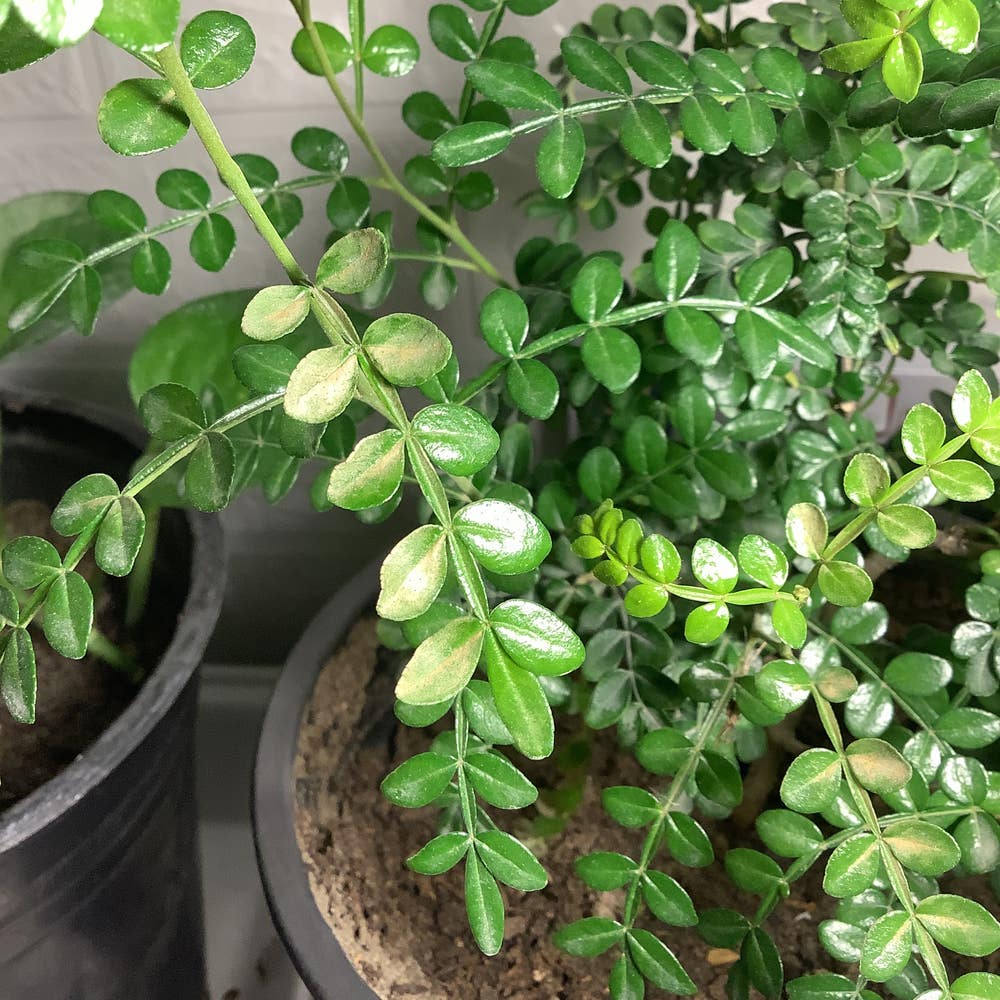
❄️ 4 Winter Care Mistakes to Avoid with Zanthoxylum
Zanthoxylum ekmanii
By the Greg Editorial Team
Nov 26, 2024•5 min read
This article was created with the help of AI so we can cover more plants for you. May contain errors. See one? Report it here.
- ❄️ Frost protection is essential for Zanthoxylum's winter survival; use cloths or burlap.
- 🌱 Reduce watering to every 4-6 weeks during dormancy to prevent root rot.
- 🌞 Provide bright, indirect light indoors and maintain humidity for healthy Zanthoxylum.
Winter Care Practices for Zanthoxylum
🌨️ Importance of Frost Protection
Zanthoxylum plants are particularly sensitive to frost, which can lead to severe damage or even death. Protecting them from frost is crucial to ensure their survival through the winter months.
Recommended Frost Protection Methods
- Mulching: Apply a layer of organic mulch around the base of the plant. This simple method helps insulate the roots and retain moisture.
- Covering Plants: Use frost cloths or burlap to shield your Zanthoxylum from extreme cold. This method is moderately challenging but highly effective.
- Location Considerations: Plant Zanthoxylum in sheltered areas to minimize frost exposure. Choosing the right spot can make a significant difference in their winter survival.
❄️ Adjusting Watering Schedules During Winter
As Zanthoxylum enters dormancy, it’s essential to reduce watering frequency. This adjustment helps prevent issues related to overwatering.
Signs of Overwatering
Watch for yellowing leaves and root rot symptoms, which indicate that your plant is receiving too much water.
Recommended Winter Watering Schedule
- Frequency: Water every 4-6 weeks, depending on soil moisture levels. This moderate approach ensures your plant remains hydrated without drowning.
- Soil Check: Always ensure the soil is dry to the touch before watering. This simple check can save your plant from potential harm.
🥶 Fertilization Practices for Winter
During dormancy, Zanthoxylum does not require fertilization. Understanding this can prevent unnecessary stress on your plant.
Recommended Practices
- Avoiding Fertilization: Steer clear of fertilizing during winter to prevent nutrient buildup that can harm dormant plants.
- Timing for Spring Fertilization: Prepare to fertilize as growth resumes in early spring. This proactive approach supports healthy growth when the season changes.
By following these winter care practices, you can help your Zanthoxylum thrive through the colder months. Next, let’s explore how to transition your Zanthoxylum indoors to protect it from frost damage.
Indoor Care for Zanthoxylum
🌱 Transitioning Zanthoxylum Indoors
Timing is crucial when bringing your Zanthoxylum indoors. Aim to transition your plant before the first frost hits, as frost can severely damage its delicate leaves.
Once inside, it's important to acclimatize your Zanthoxylum gradually. Start by placing it in a cooler, less bright area, then slowly introduce it to brighter indoor conditions over a week or two.
💡 Indoor Light and Temperature Requirements
Zanthoxylum thrives in bright, indirect light. Position your plant near a window where it can soak up the light without being scorched by direct sun.
Temperature is another key factor. Keep indoor temperatures between 60°F to 70°F (15°C to 21°C) to ensure your Zanthoxylum remains healthy and vibrant.
💧 Humidity Considerations
Humidity plays a significant role in the well-being of your indoor Zanthoxylum. Aim for humidity levels around 40-60% to prevent leaf drop and maintain lush foliage.
Consider using a humidifier or placing a tray of water near the plant to boost humidity levels. This small adjustment can make a big difference in keeping your plant happy during the dry winter months.
As you prepare your Zanthoxylum for indoor life, remember that proper care now sets the stage for a thriving plant in the spring. Next, we’ll explore how to recognize signs of winter damage and steps for recovery.
Spring Preparation and Recovery
🌨️ Signs of Winter Damage in Zanthoxylum
As winter fades, it's crucial to assess your Zanthoxylum for any signs of frost damage. Look for symptoms like browning leaves and wilting, which indicate that your plant may have suffered during the colder months.
To ensure your plant's overall health, check the roots for signs of vigor. Healthy roots should be firm and white, while mushy or dark roots signal trouble.
🛠️ Steps for Recovery from Frost Damage
If you find damaged areas, start by pruning away any dead or damaged branches. This encourages new growth and helps your Zanthoxylum recover more effectively.
Next, adjust your watering routine. Gradually increase watering as temperatures rise, ensuring the soil remains moist but not soggy.
Finally, consider the timing for fertilization. Applying a balanced fertilizer will support recovery and promote healthy growth as spring progresses.
🌱 Preparing Zanthoxylum for Spring Growth
Watch for signs of awakening in your Zanthoxylum, such as new growth and leaf unfurling. These indicators signal that your plant is ready to thrive again.
As spring takes hold, transition your care practices back to regular watering and fertilization schedules. This will help your Zanthoxylum flourish in the warmer months ahead.
With these steps, your Zanthoxylum will be well on its way to a vibrant spring, ready to showcase its beauty once more.
Common Mistakes in Winter Care for Zanthoxylum
💧 Overwatering During Dormancy
Overwatering is a common pitfall for Zanthoxylum owners during the winter months. This can lead to root rot and fungal diseases, which can be detrimental to your plant's health.
To avoid these issues, monitor soil moisture closely. Check the soil regularly and only water when it feels dry to the touch, ensuring your plant remains healthy throughout its dormant period.
❄️ Neglecting Frost Protection Measures
Failing to implement proper frost protection can have severe consequences for your Zanthoxylum. Without adequate measures, you risk significant damage or even loss of the plant.
Being proactive is essential during winter care. Utilize methods like mulching and covering plants to shield them from harsh frost conditions, ensuring they thrive when spring arrives.
🏠 Improper Indoor Conditions for Zanthoxylum
Creating the right indoor environment is crucial for Zanthoxylum during winter. Common mistakes include providing poor lighting and allowing temperature fluctuations that can stress the plant.
To foster a healthy indoor atmosphere, ensure your Zanthoxylum receives bright, indirect light and maintain a stable temperature between 60°F to 70°F. This will help your plant adapt and flourish indoors during the colder months.
As you navigate these common mistakes, remember that proper care can make all the difference in your Zanthoxylum's winter survival. Transitioning to the next topic, let's explore how to prepare your Zanthoxylum for spring growth.
⚠️ Safety First
This content is for general information and may contain errors, omissions, or outdated details. It is not medical, veterinary advice, or an endorsement of therapeutic claims.
Always consult a qualified healthcare professional before using any plant as food, medicine, or supplement.
Never eat any plant (or feed one to pets) without confirming its identity with at least two trusted sources.
If you suspect poisoning, call Poison Control (800) 222-1222, the Pet Poison Helpline (800) 213-6680, or your local emergency service immediately.
Spotted an error? Please report it here.
Keep your Zanthoxylum thriving this winter ❄️ by using Greg's tailored reminders to avoid common care mistakes and ensure optimal conditions for your plant!