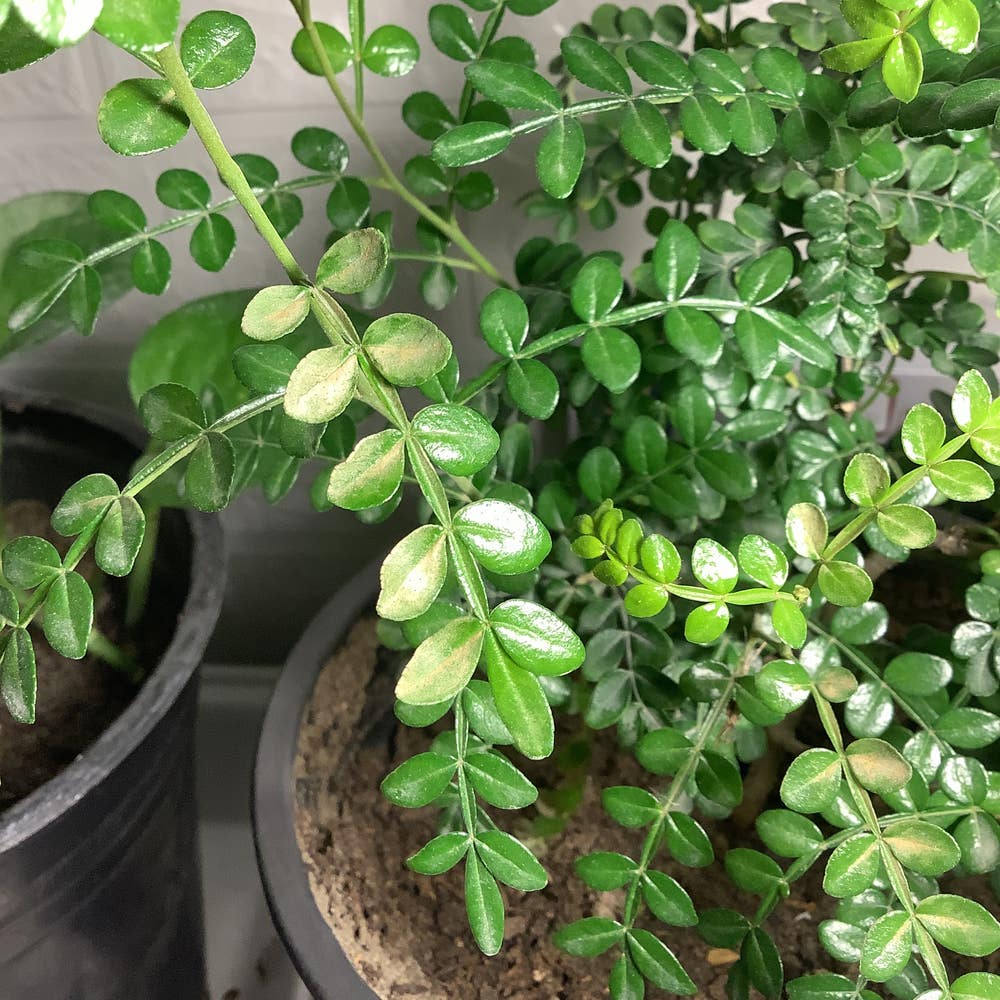
🔍 What to Do About Black Spots on Your Zanthoxylum
Zanthoxylum ekmanii
By the Greg Editorial Team
Nov 26, 2024•6 min read
This article was created with the help of AI so we can cover more plants for you. May contain errors. See one? Report it here.
- 🌱 Black spots on Zanthoxylum stem from fungal, bacterial infections, and environmental stress.
- 🔍 Early detection of pests and diseases is vital for preventing serious damage.
- 🌿 Proper care and monitoring can significantly reduce black spot risks on your plant.
Causes of Black Spots
🦠 Fungal Infections and Their Impact
Fungal infections are a primary culprit behind black spots on Zanthoxylum. Common pathogens like Alternaria and Phyllosticta can wreak havoc, leading to black spots often surrounded by yellow halos, leaf drop, and a noticeable decline in plant vigor.
These fungi thrive in conditions of high humidity, poor air circulation, and overcrowding. Ensuring adequate spacing and airflow can significantly reduce the risk of these infections.
🦠 Bacterial Infections and Symptoms
Bacterial infections also contribute to the unsightly black spots. Pathogens such as Pseudomonas and Erwinia create water-soaked lesions that eventually turn black, causing leaf wilting and, in severe cases, dieback.
Transmission often occurs through water splashing, contaminated tools, or insect vectors. Keeping tools clean and avoiding overhead watering can help mitigate these risks.
🌧️ Environmental Stress Factors
Environmental stress plays a significant role in the development of black spots. For Zanthoxylum, maintaining ideal humidity levels is crucial, as excess moisture can lead to fungal growth and subsequent leaf damage.
Temperature is another factor; Zanthoxylum thrives in moderate conditions. Extreme heat or cold can stress the plant, making it more susceptible to diseases. Additionally, ensuring well-drained soil is vital to prevent root rot and stress.
🥦 Nutrient Deficiencies Leading to Discoloration
Nutrient deficiencies can also manifest as black spots. Key nutrients like nitrogen, potassium, and magnesium are essential for healthy growth.
When these nutrients are lacking, symptoms include yellowing leaves, stunted growth, and increased vulnerability to diseases. Regular soil testing is important to monitor nutrient levels and address deficiencies promptly.
🐛 Pest Infestations Contributing to Leaf Spots
Pest infestations can exacerbate the issue of black spots. Common pests like aphids, spider mites, and scale insects can cause significant damage.
Signs of infestation include leaf curling, discoloration, and sticky residue on leaves. These pests weaken plants, making them more susceptible to diseases, so early detection and management are crucial.
Understanding these causes is the first step in addressing black spots on your Zanthoxylum. Next, we’ll explore how to diagnose the specific type of black spots affecting your plant.
Diagnosing Black Spots
🕵️♂️ Identifying the Type of Black Spots
When diagnosing black spots on your Zanthoxylum, it's crucial to distinguish between fungal and bacterial spots. Fungal spots often appear as irregular shapes with a dark center, sometimes surrounded by yellow halos, while bacterial spots may be more water-soaked and can turn black as they progress.
The location of these spots on the leaves also matters. Spots on the upper leaf surface may indicate different issues compared to those found underneath, where humidity and moisture can play a significant role in disease development.
🔍 Differentiating Between Fungal and Bacterial Issues
Visual cues are essential for identifying the type of infection affecting your plant. Fungal lesions typically spread in a more random pattern, while bacterial lesions might cluster together, creating a more uniform appearance.
If you're unsure, laboratory testing can provide clarity. Sending samples for analysis can help confirm whether you're dealing with a fungal or bacterial issue, allowing for more targeted treatment.
🌧️ Assessing Environmental Conditions Affecting Zanthoxylum
Environmental factors significantly influence the health of your Zanthoxylum. Monitoring humidity and temperature is key; tools like hygrometers and thermometers can help you keep track of these conditions.
Additionally, evaluating soil drainage and composition is vital. Signs of poor drainage, such as water pooling or overly saturated soil, can lead to root rot and stress, exacerbating the black spot problem.
🐛 Recognizing Signs of Pest Damage
Pest damage can also contribute to the appearance of black spots. Look for common signs like webbing, sticky residue, or visible insects on your plant.
Early detection is crucial. The sooner you identify and address pest issues, the better chance your Zanthoxylum has to recover and thrive. Regular inspections can make all the difference in maintaining plant health.
As you diagnose these black spots, remember that understanding the underlying causes is the first step toward effective treatment. Next, we’ll explore various treatment options to help restore your Zanthoxylum to its vibrant state.
Treatment Options
🌱 Organic Fungicides and Their Application
When dealing with black spots on your Zanthoxylum, organic fungicides can be a great first line of defense. Neem oil and sulfur-based fungicides are popular choices, known for their effectiveness against various fungal pathogens.
For optimal results, timing is crucial. Apply these products early in the morning or late in the afternoon to avoid direct sunlight. Ensure thorough coverage of affected areas, repeating applications every 7 to 14 days as needed.
⚗️ Chemical Treatments for Severe Infections
In cases of severe fungal infections, chemical treatments may be necessary. Systemic fungicides work from within the plant, while contact fungicides act on the surface.
Always prioritize safety when using chemical treatments. Wear protective gear, including gloves and masks, and consider environmental impacts to minimize harm to beneficial organisms in your garden.
🏠 Home Remedies for Minor Issues
For minor black spot issues, home remedies can be surprisingly effective. Baking soda sprays and diluted vinegar solutions are simple to prepare and can help combat fungal growth.
Use these remedies as a first response. They are best suited for early-stage problems, while more severe cases may require commercial products for effective treatment.
✂️ Pruning Affected Leaves and Branches
Pruning is an essential step in managing black spots. Use clean, sharp tools to remove affected leaves and branches, ideally during dry weather to minimize disease spread.
Sanitation is key. Dispose of infected plant material properly to prevent reinfection and promote healthier growth in your Zanthoxylum.
As you implement these treatment options, remember that prevention is just as important. Next, we’ll explore effective preventive measures to keep your Zanthoxylum thriving.
Preventive Measures
Best Practices for Care 🌱
To keep your Zanthoxylum thriving, focus on providing ideal growing conditions. Ensure they receive plenty of sunlight, thrive in well-draining soil, and maintain a consistent watering frequency.
Proper spacing is crucial too. This allows for adequate air circulation, reducing the risk of diseases that thrive in stagnant environments.
Proper Watering Techniques to Avoid Stress 🚰
Establishing a proper watering schedule is essential. Adjust the frequency and amount of water based on the environmental conditions to prevent stress on your plants.
Consider techniques like drip irrigation or raised beds. These methods help prevent waterlogging, which can lead to root rot and other issues.
Soil Health and Nutrient Management 🍽️
Regular soil amendments can significantly enhance plant health. Incorporate compost and organic fertilizers to enrich the soil and promote robust growth.
Monitoring nutrient levels is equally important. Conduct periodic soil testing to ensure your Zanthoxylum receives the necessary nutrients for optimal health.
Regular Inspection for Pests and Diseases 🔍
Make it a habit to inspect your plants weekly during the growing season. Early detection of issues can save your Zanthoxylum from serious damage.
Look for changes in leaf color, texture, and overall plant health. Recognizing these signs promptly allows you to take action before problems escalate.
By implementing these preventive measures, you can foster a healthy environment for your Zanthoxylum, minimizing the risk of black spots and other issues. Next, let’s explore the various treatment options available if you do encounter problems.
⚠️ Safety First
This content is for general information and may contain errors, omissions, or outdated details. It is not medical, veterinary advice, or an endorsement of therapeutic claims.
Always consult a qualified healthcare professional before using any plant as food, medicine, or supplement.
Never eat any plant (or feed one to pets) without confirming its identity with at least two trusted sources.
If you suspect poisoning, call Poison Control (800) 222-1222, the Pet Poison Helpline (800) 213-6680, or your local emergency service immediately.
Spotted an error? Please report it here.
Keep your Zanthoxylum spot-free 🌱 by using Greg's tailored care reminders and tips to tackle fungal infections, nutrient deficiencies, and pests before they become a problem!