🌸 4 Tips for Blooming Your Zanthoxylum
Zanthoxylum ekmanii
By the Greg Editorial Team
Nov 26, 2024•5 min read
This article was created with the help of AI so we can cover more plants for you. May contain errors. See one? Report it here.
- 🌼 Zanthoxylum blooms vary by species, with flowers often overshadowed by lush foliage.
- 🌞💧 Encourage blooming by providing sunlight, consistent watering, and proper fertilization.
- 🌱 Understanding flowering stages helps maximize Zanthoxylum's beauty and care.
Flowering Status
Clarification on Flowering 🌸
Zanthoxylum, commonly known as the prickly ash or toothache tree, does indeed produce flowers, but the specifics can vary widely among its many species. While some Zanthoxylum plants showcase delicate blooms, others are primarily cultivated for their striking foliage, which can be just as captivating.
Many gardeners appreciate these plants for their lush leaves and unique growth habits, often overlooking the flowers altogether. This focus on foliage is particularly true for species that may not flower consistently or produce blooms that are less visually impressive than their leaves.
If Zanthoxylum Flowers
🌼 Flower Characteristics
Description of Colors and Structure
Zanthoxylum flowers are small and often display shades of yellow or greenish hues. These delicate blooms typically grow in clusters, forming unique flower spikes that add an interesting texture to the plant.
Pollination
When it comes to pollination, Zanthoxylum generally requires external pollinators. While some species may exhibit self-pollinating traits, many thrive with the help of insects, ensuring a diverse genetic pool.
🌸 Blooming Process
Stages of Blooming
The blooming process of Zanthoxylum unfolds in three key stages: bud formation, flowering, and seed development. Each stage is crucial for the plant's reproductive success and overall health.
Typical Bloom Time
You can expect Zanthoxylum to bloom during the warmer months, typically in late spring to early summer. This seasonal timing allows the flowers to take advantage of optimal weather conditions for growth.
Duration from Bud to Full Bloom
From the initial bud formation to full bloom, the process usually takes several weeks. On average, you can anticipate about 4 to 6 weeks for the flowers to fully develop.
Lifespan of Flowers
Once in bloom, Zanthoxylum flowers typically last for about two to three weeks. This brief lifespan highlights the importance of timely care to maximize their beauty.
🌱 Encouraging Blooms
Tips for Promoting Flowering
To encourage your Zanthoxylum to bloom, focus on providing ample sunlight, consistent watering, and appropriate fertilization. These best practices create an ideal environment for flowering.
Factors Influencing Flowering
Several environmental factors can influence flowering, including soil quality, climate, and care practices. Ensuring your plant receives the right conditions will significantly enhance its blooming potential.
🌿 Post-Flowering Care
What Happens After Flowering
After flowering, Zanthoxylum enters a phase of seed development. This stage is essential for the plant's reproductive cycle and can lead to new growth.
Does Zanthoxylum Die After Flowering?
Rest assured, Zanthoxylum does not die after flowering. Instead, it continues to thrive, often producing new foliage and preparing for the next blooming cycle.
With a solid understanding of Zanthoxylum's flowering characteristics and care, you're well-equipped to nurture this unique plant. Next, let’s explore what to do if your Zanthoxylum doesn’t flower.
If Zanthoxylum Doesn't Flower
Primary Ornamental Features 🌿
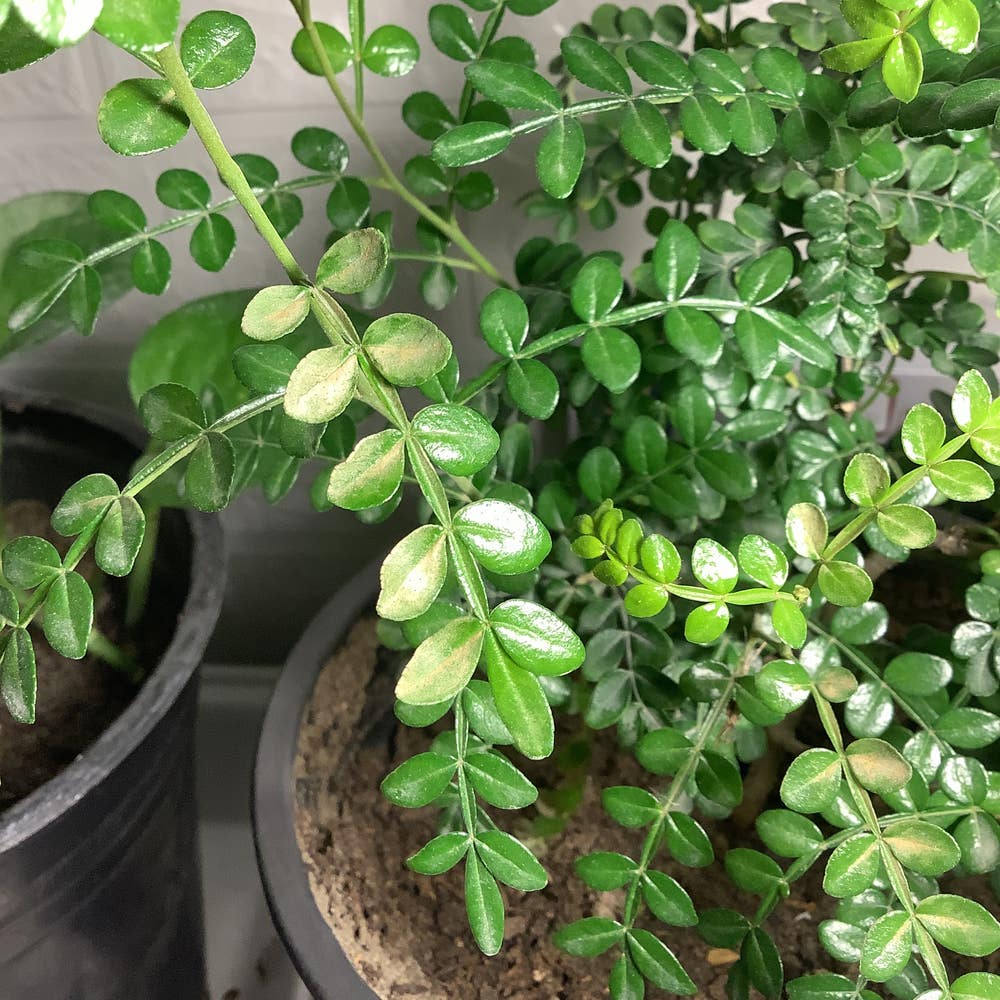
Even without flowers, Zanthoxylum remains a striking addition to any garden. Its lush foliage showcases vibrant green leaves that can vary in shape and size, creating a rich tapestry of texture.
The growth habit of Zanthoxylum is another highlight. These plants often develop a bushy, upright form that adds height and structure to landscapes. Additionally, their spiny branches provide an intriguing visual element, making them stand out even in a flowerless state.
Reproductive Strategies Without Flowers 🌱
Zanthoxylum has adapted to thrive even when it doesn't bloom. One of its primary reproductive strategies is vegetative propagation, where the plant can produce new growth from its existing roots or stems.
This method allows Zanthoxylum to spread and establish itself in various environments, ensuring its survival. So, while it may not produce flowers, it certainly knows how to keep the cycle of life going strong.
In the next section, we will explore the unique aspects of Zanthoxylum, including its unusual characteristics and some fascinating facts that highlight its significance in various cultures.
Unique Aspects
🌿 Unusual Characteristics
Zanthoxylum, often known for its spiny branches and aromatic foliage, has some intriguing traits. While many plants are celebrated for their vibrant blooms, Zanthoxylum stands out with its unique flowering patterns or, in some cases, the absence of them.
Some species may produce flowers that are small and inconspicuous, often overshadowed by their lush leaves. This focus on foliage rather than flowers makes them a popular choice for gardeners seeking ornamental plants that provide year-round interest.
🤓 Interesting Facts
Zanthoxylum isn't just a pretty face in the garden; it has a rich history and cultural significance. In various cultures, the plant has been used for culinary purposes, particularly in Asian cuisines, where its seeds add a distinctive flavor to dishes.
Moreover, Zanthoxylum has medicinal properties, traditionally used in herbal remedies. Its bark and leaves have been employed in folk medicine for their potential health benefits, showcasing the plant's versatility beyond mere aesthetics.
In summary, Zanthoxylum offers a blend of beauty and utility, making it a fascinating addition to any garden. Whether you're drawn to its unique characteristics or its historical significance, there's much to appreciate about this remarkable plant.
As we explore further, let's delve into the primary ornamental features of Zanthoxylum, especially for those instances when it doesn't flower.
⚠️ Safety First
This content is for general information and may contain errors, omissions, or outdated details. It is not medical, veterinary advice, or an endorsement of therapeutic claims.
Always consult a qualified healthcare professional before using any plant as food, medicine, or supplement.
Never eat any plant (or feed one to pets) without confirming its identity with at least two trusted sources.
If you suspect poisoning, call Poison Control (800) 222-1222, the Pet Poison Helpline (800) 213-6680, or your local emergency service immediately.
Spotted an error? Please report it here.
Unlock your Zanthoxylum's blooming potential 🌼 with Greg's tailored care reminders, ensuring it thrives and dazzles with its vibrant foliage all year round!