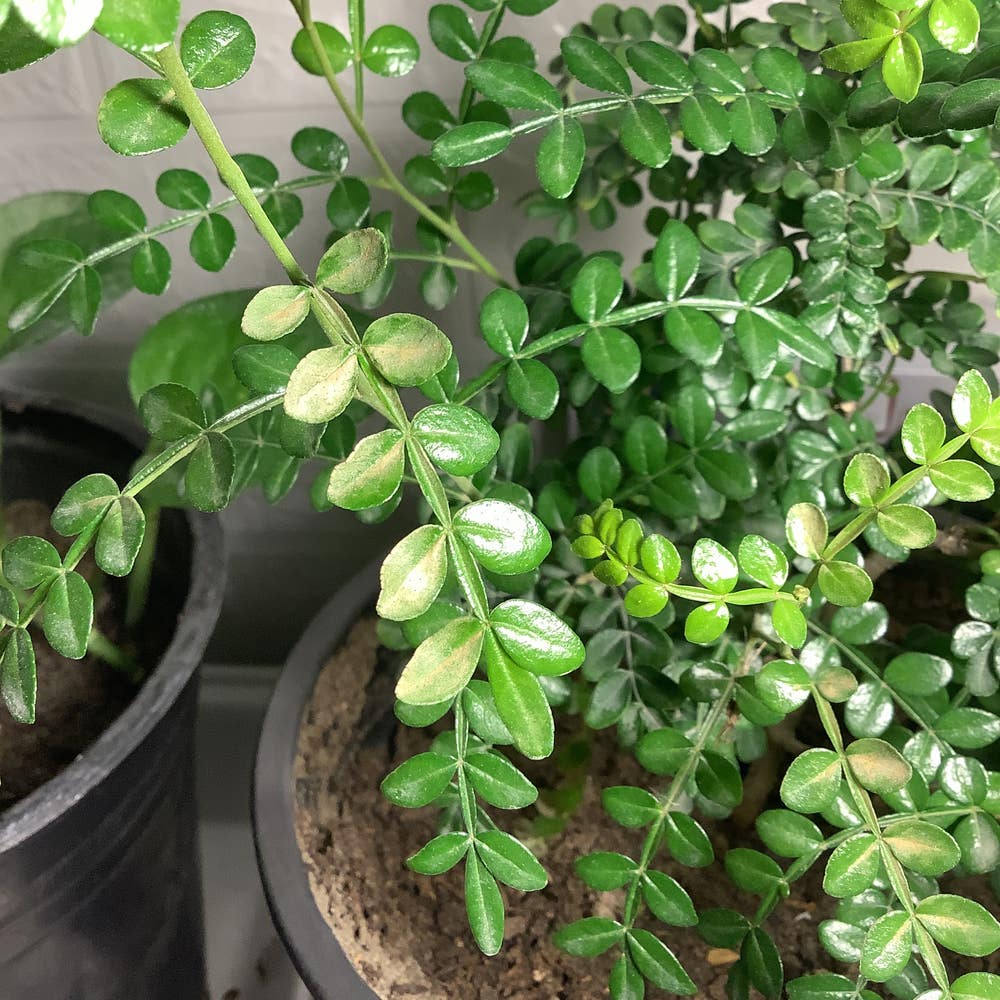
🌳 Why Zanthoxylum Is Not an Annual
Zanthoxylum ekmanii
By the Greg Editorial Team
Nov 26, 2024•6 min read
This article was created with the help of AI so we can cover more plants for you. May contain errors. See one? Report it here.
- 🌱 Zanthoxylum is a perennial, thriving for decades unlike short-lived annuals.
- 🌳 Deep roots and woody structure enhance resilience against environmental stress.
- 🐝 Supports pollinators and biodiversity, making it a valuable garden addition.
Zanthoxylum's Perennial Nature
🧬 Genetic Characteristics
Zanthoxylum plants possess unique genetic traits that support their longevity. Unlike annuals, which complete their life cycle in one growing season, Zanthoxylum is genetically programmed for extended life, allowing it to thrive for many years.
These genetic characteristics include a robust set of genes that promote resilience and adaptability. This contrasts sharply with annual plants, which often prioritize rapid growth and reproduction over long-term survival.
🌱 Physiological Traits Supporting Perennial Growth
One of the key physiological traits of Zanthoxylum is its deep and extensive root system. This allows the plant to efficiently absorb nutrients and water, ensuring it remains healthy even in challenging conditions.
Additionally, Zanthoxylum develops a woody structure that enhances its ability to withstand seasonal changes and environmental stress. This woody growth not only provides stability but also protects the plant during harsh weather.
⏳ Long-Term Lifecycle
The lifecycle of Zanthoxylum includes several distinct stages: germination, vegetative growth, flowering, and dormancy. Each stage is crucial for the plant's development and overall health.
Zanthoxylum can live for several years, often reaching decades in optimal conditions. This longevity is a testament to its adaptability and resilience, making it a valuable addition to any garden.
As we explore the growth and reproductive strategies of Zanthoxylum, we will uncover how these traits contribute to its success as a perennial plant.
Growth and Reproductive Strategies
🌱 Growth Patterns Compared to Annuals
Zanthoxylum exhibits a slower initial growth rate compared to annual plants. However, this gradual start leads to sustained growth over the years, allowing it to thrive in various environments.
The structural development of Zanthoxylum is notable, as it forms woody stems and branches. This woody structure not only supports the plant but also enhances its resilience against environmental stressors.
🌼 Flowering Cycles and Seed Production
Flowering in Zanthoxylum typically occurs in late summer to fall. This timing allows the plant to maximize its reproductive potential as conditions become favorable.
Seed production is a multi-year process for Zanthoxylum. Seeds mature over several seasons, ensuring a steady supply for future generations.
🌍 Adaptations for Survival and Reproduction
Zanthoxylum is remarkably resilient, capable of surviving adverse conditions such as drought and frost. This adaptability is crucial for its long-term survival in diverse climates.
The plant employs various reproductive strategies, including effective seed dispersal mechanisms and vegetative propagation. These strategies enhance its chances of thriving in different environments and ensure its continued presence in the ecosystem.
As we explore the misconceptions and exceptions surrounding Zanthoxylum, it's essential to understand how these growth and reproductive strategies contribute to its classification as a perennial.
Misconceptions and Exceptions
🌱 Conditions Leading to Misclassification
Zanthoxylum is often misclassified as an annual due to environmental stressors. Poor soil conditions and extreme weather can stunt growth, making these resilient plants appear less robust than they truly are.
Mismanagement also plays a significant role in this misconception. Improper care, such as inadequate watering or neglecting soil health, can lead to stunted growth or premature dieback, further perpetuating the idea that Zanthoxylum is not a perennial.
🌍 Regional Variations Affecting Classification
Climate influences can dramatically affect how Zanthoxylum grows. In harsher climates, these plants may struggle, leading to misconceptions about their perennial nature.
Local practices and cultural perceptions also contribute to the misunderstanding. In some regions, gardeners may treat Zanthoxylum as an annual due to a lack of awareness about its true growth potential and resilience.
Understanding these factors can help clarify why Zanthoxylum deserves recognition as a perennial. This knowledge empowers gardeners to appreciate and cultivate these remarkable plants effectively.
As we explore the gardening implications of Zanthoxylum, we’ll uncover the benefits of incorporating this perennial into your garden design.
Gardening Implications
Benefits in Perennial Gardens 🌼
Zanthoxylum offers significant advantages in perennial gardens. As a long-term investment, these plants require fewer replacements compared to annuals, saving both time and money.
Additionally, Zanthoxylum attracts pollinators and supports local wildlife, enhancing the ecological balance of your garden. This not only benefits the environment but also creates a vibrant, lively space.
Design Strategies 🎨
When it comes to garden design, Zanthoxylum can serve as a stunning focal point or a lush backdrop. Its unique structure and foliage can add depth and interest to any landscape.
Companion planting is another effective strategy. Pairing Zanthoxylum with other perennials can enhance biodiversity and create a more resilient garden ecosystem.
Tips for Maximizing Longevity and Health 🌱
To ensure your Zanthoxylum thrives, start with proper soil preparation. Well-draining, nutrient-rich soil is crucial for healthy growth and longevity.
Establishing deep watering routines is equally important. This encourages robust root development, allowing your plants to withstand drought and other stressors effectively.
By implementing these strategies, you can enjoy the beauty and benefits of Zanthoxylum in your garden for years to come. Next, let’s explore the best practices for managing and caring for these remarkable plants.
Management and Care
Best Practices for Managing as a Perennial 🌱
Managing Zanthoxylum as a perennial involves understanding its unique growth requirements. Pruning is essential; it encourages healthy growth and promotes flower production.
When pruning, aim to remove dead or damaged branches to improve air circulation. This practice not only enhances the plant's appearance but also boosts its overall vitality.
Fertilization is another key aspect. Applying the right nutrients at appropriate times ensures sustained health and vigor. A balanced fertilizer in early spring can provide the necessary boost as the plant awakens from dormancy.
Seasonal Considerations 🌸
As spring approaches, watch for signs of growth. New leaves and budding flowers indicate that your Zanthoxylum is ready to thrive again.
In the fall, preparation for dormancy is crucial. Mulching around the base can protect roots from freezing temperatures and help retain moisture.
Common Challenges and Solutions 🐛
Pest management is vital for maintaining a healthy Zanthoxylum. Regularly inspect the plant for common pests like aphids or spider mites. Early detection allows for more effective control measures.
Disease prevention is equally important. Ensure good air circulation and avoid overhead watering to minimize fungal issues. Healthy practices lead to a robust plant that can withstand challenges.
By following these management and care tips, you can enjoy the beauty and benefits of Zanthoxylum in your garden for years to come. Next, we'll explore the gardening implications of incorporating this perennial into your landscape.
⚠️ Safety First
This content is for general information and may contain errors, omissions, or outdated details. It is not medical, veterinary advice, or an endorsement of therapeutic claims.
Always consult a qualified healthcare professional before using any plant as food, medicine, or supplement.
Never eat any plant (or feed one to pets) without confirming its identity with at least two trusted sources.
If you suspect poisoning, call Poison Control (800) 222-1222, the Pet Poison Helpline (800) 213-6680, or your local emergency service immediately.
Spotted an error? Please report it here.
Embrace the longevity of Zanthoxylum 🌱 and let Greg guide you with personalized care reminders to ensure your perennial thrives for years to come!