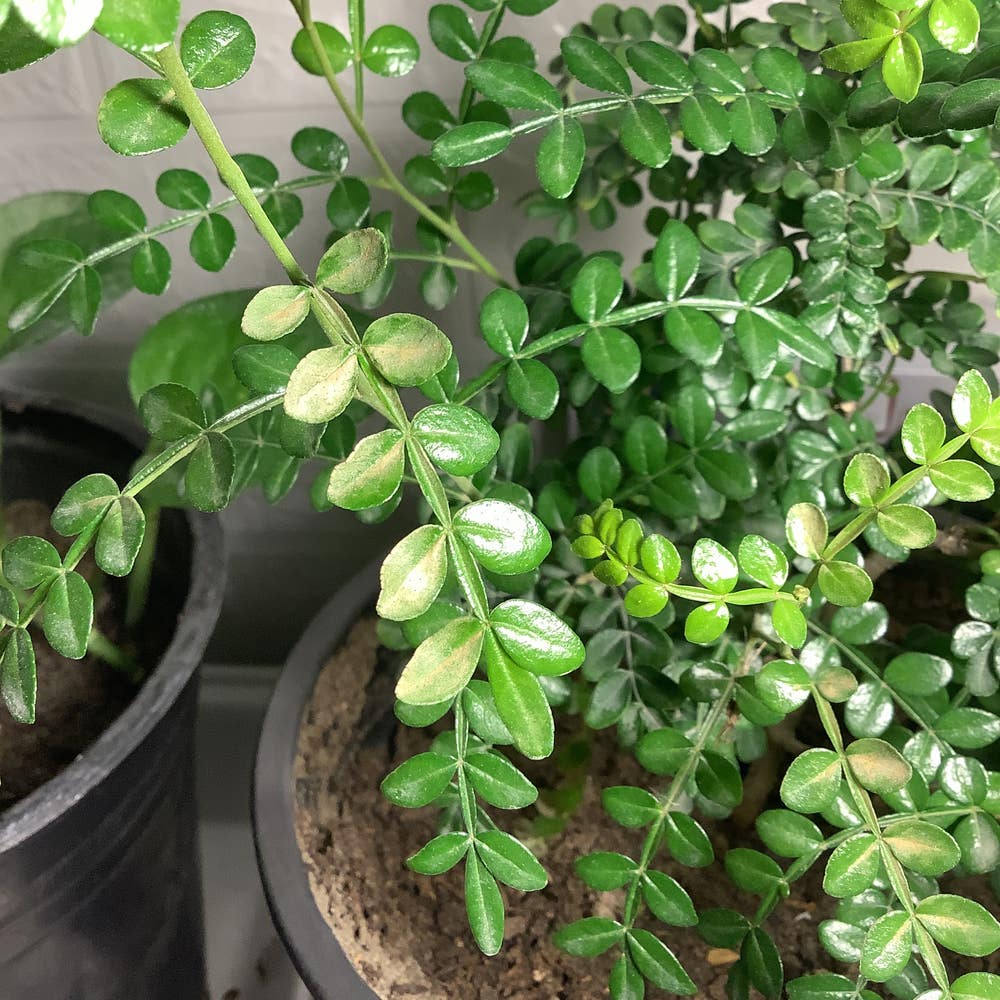
🌳 Growth Rate of Zanthoxylum
Zanthoxylum ekmanii
By the Greg Editorial Team
Nov 26, 2024•5 min read
This article was created with the help of AI so we can cover more plants for you. May contain errors. See one? Report it here.
- 🌱 Zanthoxylum seeds germinate in 2 to 4 weeks under optimal conditions.
- 🌡️ Ideal germination temperature is 20°C to 25°C (68°F to 77°F) for best results.
- 🌿 Growth varies by species, taking 3 to 5 years to reach maturity.
Germination Stage
🌱 Duration of Germination
The germination period for Zanthoxylum typically spans 2 to 4 weeks. This timeframe can vary based on several factors, including temperature, moisture levels, and seed viability.
🌡️ Conditions for Successful Germination
To achieve successful germination, certain conditions must be met.
Optimal Temperature
The ideal temperature range is between 20°C to 25°C (68°F to 77°F). This warmth encourages the seeds to sprout effectively.
Soil Requirements
Zanthoxylum seeds thrive in well-draining, moist soil with a pH level of 6.0 to 7.0. This balance ensures that the seeds receive the necessary nutrients without becoming waterlogged.
💡 Light Exposure
Light requirements can differ among species. Some Zanthoxylum seeds need light to germinate, while others prefer darkness. Understanding these needs is crucial for successful cultivation.
In summary, providing the right temperature, soil conditions, and light exposure is essential for Zanthoxylum germination. With these factors in check, you can look forward to healthy seedlings ready to embark on their growth journey.
Next, we will explore the Seedling Stage, where these young plants begin to develop their unique characteristics.
Seedling Stage
Duration of Seedling Growth 🌱
The seedling stage of Zanthoxylum typically lasts between 4 to 8 weeks. This period is crucial as the young plants establish themselves and prepare for further growth.
Characteristics of Seedlings 🌿
During this stage, seedlings exhibit small, tender leaves that are often aromatic. This distinct aroma can be a delightful surprise for those tending to them.
Development of Thorns 🌵
As the seedlings mature, some species begin to develop thorns. This adaptation serves as a protective measure against herbivores, ensuring the plant's survival.
Height of Seedlings 📏
At this point, seedlings usually reach a height of 5 to 15 cm (2 to 6 inches). This modest growth sets the foundation for the robust plants they will become.
The seedling stage is a fascinating time, filled with potential and growth. As these young plants continue to develop, they prepare for the next stages of their life cycle, leading to the vegetative growth phase.
Vegetative Growth Stage
🌱 Duration of Vegetative Growth
The vegetative growth stage of Zanthoxylum typically lasts between 1 to 3 years. This duration can vary significantly based on the specific species and the environmental conditions they are exposed to.
🌿 Changes in Plant Structure and Health
During this stage, you'll notice remarkable changes in the plant's structure.
Leaf Development
Leaves expand, increasing in both size and number, creating a lush canopy. This growth is crucial for photosynthesis, enabling the plant to harness energy effectively.
Stem Thickening
As the plant matures, its stems become more robust and woody. This thickening is essential for supporting the plant as it grows taller and prepares for the next stages of its life cycle.
Root System
The root system establishes a deep and extensive network, vital for nutrient absorption. A strong root system not only supports the plant's growth but also enhances its resilience against environmental stressors.
As Zanthoxylum transitions through its vegetative stage, it lays the groundwork for future flowering and seed production. This preparation is key to ensuring a successful reproductive phase, setting the stage for the plant's legacy.
Flowering and Seed Production Stage
Duration of Flowering 🌸
The flowering period for Zanthoxylum typically spans 2 to 4 weeks, occurring in late spring to early summer. This is when the plants showcase their vibrant blooms, signaling a crucial phase in their life cycle.
Pollination Process and Requirements 🐝
Pollination is primarily achieved through insects, although some species have the ability to self-pollinate. The flowers are small and fragrant, designed to attract pollinators, which play a vital role in the reproductive process.
Environmental Needs
For successful flowering, Zanthoxylum requires warm temperatures and adequate moisture. These conditions help ensure that the flowers develop properly and can attract the necessary pollinators.
Duration of Seed Production 🌱
Following the flowering stage, seed production takes place over a period of 4 to 6 weeks. This is when the flowers give way to the formation of seeds, marking another significant step in the plant's reproductive journey.
Seed Dispersal Mechanisms 🌬️
Zanthoxylum employs various methods for seed dispersal, including wind, water, and even animal ingestion. This diversity in dispersal strategies enhances the plant's ability to colonize new areas.
Seed Characteristics
The seeds themselves are hard and durable, capable of remaining viable for several years. This resilience ensures that the species can withstand various environmental challenges and continue to thrive.
As we explore the growth rate and maturation of Zanthoxylum, we will uncover how long it takes for these remarkable plants to reach their full potential.
Growth Rate and Maturation
How Long Until Zanthoxylum is Fully Grown? 🌱
Most Zanthoxylum species take about 3 to 5 years to reach their full height and reproductive maturity. This timeframe can vary based on specific species and environmental conditions.
Factors Affecting Growth Rate 🌍
Several factors influence the growth rate of Zanthoxylum. Key elements include soil quality, water availability, and sunlight exposure.
Species Variations 🌿
Different species exhibit distinct growth rates. For instance, Zanthoxylum piperitum matures in approximately 4 years, while Zanthoxylum americanum may take up to 5 years to reach maturity.
Notable Changes Throughout the Life Cycle 🌼
Germination
During germination, cotyledons and the first true leaves emerge, marking the plant's initial growth phase.
Seedling Stage
In the seedling stage, plants develop thorns and aromatic foliage, showcasing their unique characteristics.
Vegetative Growth
As Zanthoxylum transitions into vegetative growth, it experiences a significant increase in height and thickness, along with the expansion of mature foliage.
Flowering
The flowering stage introduces small, fragrant flowers and subsequent fruiting bodies, essential for reproduction.
Environmental Adaptations
Zanthoxylum demonstrates remarkable adaptability, thriving in varying moisture and temperature conditions. The development of thorns serves as a defense mechanism against herbivores.
Changes in Reproductive Capabilities
Some species may begin flowering as early as 2 years old. As plants age, they typically produce more flowers and seeds, enhancing their reproductive success.
Understanding the growth rate and maturation of Zanthoxylum not only highlights its resilience but also sets the stage for exploring its flowering and seed production stage.
⚠️ Safety First
This content is for general information and may contain errors, omissions, or outdated details. It is not medical, veterinary advice, or an endorsement of therapeutic claims.
Always consult a qualified healthcare professional before using any plant as food, medicine, or supplement.
Never eat any plant (or feed one to pets) without confirming its identity with at least two trusted sources.
If you suspect poisoning, call Poison Control (800) 222-1222, the Pet Poison Helpline (800) 213-6680, or your local emergency service immediately.
Spotted an error? Please report it here.
Unlock the full potential of your Zanthoxylum 🌿 with Greg's tailored care plans that ensure perfect conditions for germination and growth, leading to a flourishing plant!