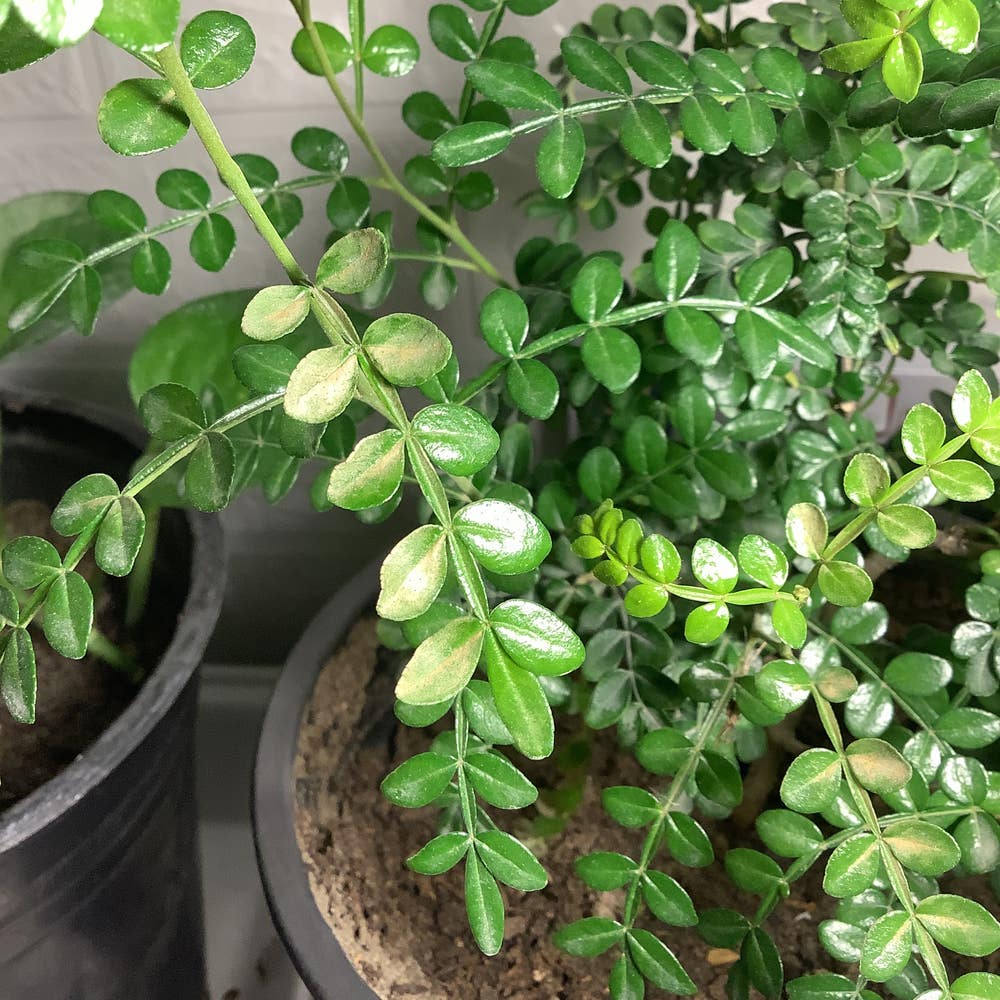
Top 4 Signs Your Zanthoxylum Needs Pollination 🐝
Zanthoxylum ekmanii
By the Greg Editorial Team
Nov 26, 2024•6 min read
This article was created with the help of AI so we can cover more plants for you. May contain errors. See one? Report it here.
- 🌼 Zanthoxylum flowers attract bees, butterflies, and hummingbirds for effective pollination.
- 🌱 Cross-pollination boosts genetic diversity, enhancing the health of Zanthoxylum species.
- 🐝 Creating a pollinator-friendly garden supports Zanthoxylum's thriving ecosystem.
Flower Structure
Description of Characteristics 🌼
Zanthoxylum flowers are small and clustered, showcasing a unique arrangement that makes them stand out. Their colors vary by species, ranging from white to yellow and even greenish hues, adding a vibrant touch to any garden.
These flowers typically grow in clusters, which not only enhances their visibility but also makes them more appealing to pollinators. This strategic arrangement is crucial for attracting the right visitors to ensure successful pollination.
Role in Pollination 🐝
Zanthoxylum has fascinating self-pollination mechanisms that allow it to fertilize itself when necessary. However, cross-pollination is equally important, as it attracts external pollinators, promoting genetic diversity within the species.
The structure of the flowers plays a vital role in facilitating pollen transfer. By providing easy access to their reproductive parts, Zanthoxylum flowers ensure that both self-pollination and cross-pollination can occur efficiently, maximizing their reproductive success.
Understanding these characteristics and roles can help you appreciate the intricate relationships between Zanthoxylum and its pollinators. Next, we’ll explore the pollination process in more detail, including the differences between self-pollination and cross-pollination.
Pollination Process
🌱 Self-Pollination vs. Cross-Pollination
Certain Zanthoxylum species possess remarkable self-pollination traits. This ability allows them to fertilize themselves, ensuring reproduction even in the absence of external pollinators.
However, cross-pollination plays a vital role in enhancing genetic diversity. The primary pollinators for Zanthoxylum include bees, butterflies, and even hummingbirds, each contributing uniquely to the pollination process.
Bees
Bees are essential for transferring pollen between flowers. Their attraction to the aromatic flowers of Zanthoxylum makes them key players in the pollination game.
Butterflies
Butterflies also contribute significantly to pollination. Their feeding habits encourage pollen transfer as they flit from flower to flower, sipping nectar.
Other Pollinators
Moths and hummingbirds join the mix, interacting with Zanthoxylum in fascinating ways. Each pollinator species brings its own flair to the pollination process, ensuring a vibrant ecosystem.
🐝 Attraction Mechanisms for Pollinators
Scent
Aromatic compounds in Zanthoxylum flowers are crucial for attracting pollinators. These scents act like a beacon, guiding pollinators to the nectar-rich blooms.
Color
The color of the flowers also plays a significant role. Bright and varied hues can influence which pollinators visit, as different species are drawn to specific colors.
Timing
Seasonal variations affect both flowering and pollinator activity. Understanding these patterns can help optimize the chances of successful pollination.
With a solid grasp of the pollination process, you can better appreciate the intricate relationships between Zanthoxylum and its pollinators. Next, we’ll explore hand pollination techniques to ensure your plants thrive.
Hand Pollination Techniques
Hand pollination can be a rewarding way to ensure your Zanthoxylum plants thrive. Here’s how to do it effectively.
🌱 Step-by-Step Instructions
1. Identifying Male and Female Flower Parts
Start by distinguishing the male and female parts of the flowers. Male flowers contain stamens, which produce pollen, while female flowers have pistils, where the pollen needs to be transferred.
2. Collecting Pollen
To gather pollen, gently tap or shake the male flowers. You can also use a small brush or cotton swab to collect the pollen without damaging the flower.
3. Transferring Pollen
Once you have collected the pollen, apply it to the stigma of the female flowers. This can be done using the same brush or swab, ensuring that the pollen makes good contact with the receptive surface.
4. Timing
Timing is crucial for successful hand pollination. Aim to pollinate during the early morning or late afternoon when flowers are most receptive and temperatures are moderate.
🌼 Ensuring Successful Fertilization
Conditions that Enhance Fertilization Success
To boost fertilization rates, ensure that your plants are healthy and well-watered. Adequate sunlight and nutrients also play a significant role in the overall vigor of the flowers.
Monitoring Flower Health Post-Pollination
After pollination, keep an eye on the flowers for signs of successful fertilization. Look for swelling in the ovary, which indicates that the pollen has fertilized the ovules.
With these techniques, you can help your Zanthoxylum plants flourish through effective hand pollination. This hands-on approach not only enhances your gardening skills but also deepens your connection with these fascinating plants.
Next, we’ll explore how to create a pollinator-friendly environment to support these essential creatures.
Supporting Pollinators
🌼 Creating a Pollinator-Friendly Environment
To support pollinators, start by planting native species that naturally attract them. These plants are adapted to local conditions and provide essential resources for bees, butterflies, and other pollinators.
Additionally, ensure there are water sources and shelter available. Simple features like birdbaths or small ponds can make a big difference, while shrubs and trees offer vital nesting sites.
🌱 Companion Plants
Consider incorporating companion plants that enhance pollinator activity around your Zanthoxylum. Plants like lavender, coneflower, and milkweed not only beautify your garden but also draw in a variety of pollinators.
Biodiversity plays a crucial role in attracting different species. A diverse garden creates a vibrant ecosystem, ensuring that various pollinators can thrive and contribute to the pollination of your Zanthoxylum.
By fostering a pollinator-friendly environment, you not only help these essential creatures but also enhance the health and productivity of your plants. Next, let's explore the challenges that can arise in the pollination process and how to overcome them.
Pollination Challenges
Common Obstacles 🌪️
Pollination can be hindered by various environmental factors. Temperature fluctuations and humidity levels significantly impact pollinator behavior, often leading to reduced activity during extreme conditions.
Additionally, a lack of pollinators can pose a serious challenge. Factors such as habitat loss, pesticide use, and climate change contribute to dwindling pollinator populations, making it essential to identify and address these issues.
Solutions for Overcoming Challenges 🌱
To enhance pollinator habitats, consider planting a diverse array of native species. Native plants not only attract local pollinators but also provide essential resources for their survival.
Adjusting care practices can also improve pollination success. Regularly monitoring your Zanthoxylum plants and ensuring they are healthy can create a more inviting environment for pollinators.
Seasonal considerations are crucial as well. Be aware of how changes in weather and blooming times affect pollinator dynamics, and adapt your gardening strategies accordingly to support these vital creatures throughout the year.
By addressing these challenges, you can foster a thriving ecosystem that benefits both your Zanthoxylum and the pollinators that help it flourish.
⚠️ Safety First
This content is for general information and may contain errors, omissions, or outdated details. It is not medical, veterinary advice, or an endorsement of therapeutic claims.
Always consult a qualified healthcare professional before using any plant as food, medicine, or supplement.
Never eat any plant (or feed one to pets) without confirming its identity with at least two trusted sources.
If you suspect poisoning, call Poison Control (800) 222-1222, the Pet Poison Helpline (800) 213-6680, or your local emergency service immediately.
Spotted an error? Please report it here.
Boost your Zanthoxylum's pollination success 🌼 with Greg's tailored reminders and tips to attract the right pollinators for a flourishing garden!