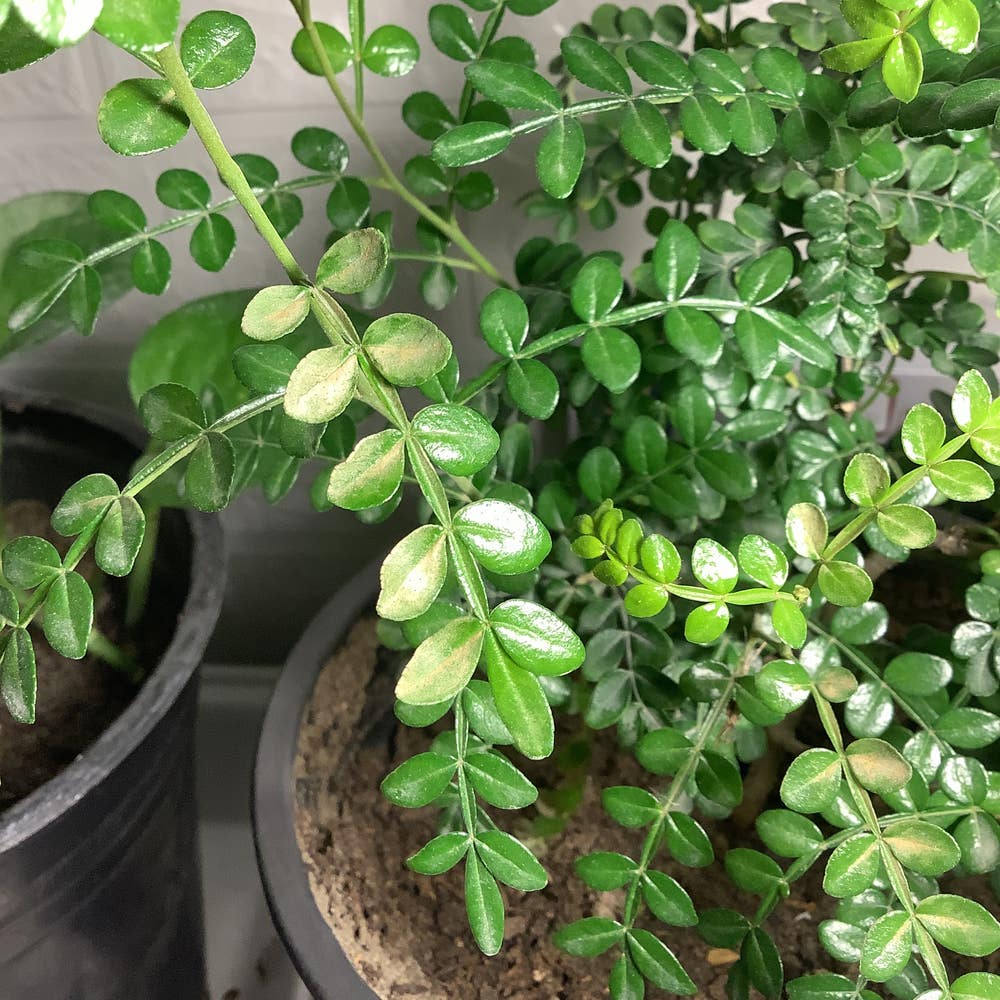
🍂 Best Tips for Dropping Leaves on Zanthoxylum
Zanthoxylum ekmanii
By the Greg Editorial Team
Nov 26, 2024•7 min read
This article was created with the help of AI so we can cover more plants for you. May contain errors. See one? Report it here.
- 🌡️ Zanthoxylum thrives in 20°C to 30°C; avoid temperature fluctuations for healthy leaves.
- 💧 Moderate humidity is essential; low levels can lead to leaf drop.
- 🌞 Bright, indirect sunlight prevents leaf drop; ensure proper light exposure for vitality.
Causes of Leaf Drop
🌪️ Environmental Stress Factors
Zanthoxylum plants are sensitive to environmental changes. The ideal temperature range for these plants is between 20°C to 30°C (68°F to 86°F); fluctuations outside this range can lead to stress.
Humidity is another critical factor. Zanthoxylum thrives in moderate humidity, and low humidity levels can trigger leaf drop.
Light exposure plays a significant role as well. Insufficient light can cause leaves to drop, while Zanthoxylum flourishes in bright, indirect sunlight.
💧 Watering Issues
Overwatering
Overwatering is a common culprit behind leaf drop. Symptoms include yellowing leaves, wilting, and root rot, often caused by poor drainage or excessive watering frequency.
Underwatering
On the flip side, underwatering can also lead to distress. Look for crispy, brown leaf edges and drooping leaves, which indicate infrequent watering or dry soil conditions.
🥦 Nutrient Deficiencies
Nutrient deficiencies can severely impact Zanthoxylum health. Common deficiencies include nitrogen, potassium, and magnesium, leading to yellowing leaves, stunted growth, and eventual leaf drop.
Soil testing is essential to identify these deficiencies. Regular checks can help maintain optimal nutrient levels for healthy growth.
🐛 Pest Infestations
Specific Pests
Pests can wreak havoc on Zanthoxylum plants. Aphids are notorious for curling leaves and leaving a sticky residue, while scale insects cause yellowing leaves and a waxy coating on stems.
Early detection is crucial for effective management. Implementing treatment strategies promptly can save your plant from severe damage.
🦠 Diseases Affecting Leaf Health
Diseases can also contribute to leaf drop. Fungal infections often manifest as leaf spots and wilting, while bacterial infections may present as leaf blight and discoloration.
Preventing these diseases is vital. Maintaining plant hygiene and proper care can significantly reduce the risk of infections and keep your Zanthoxylum thriving.
Understanding these causes of leaf drop is the first step in ensuring your Zanthoxylum remains healthy and vibrant. Next, we’ll explore effective strategies for preventing leaf drop and promoting robust growth.
Preventing Leaf Drop
💧 Proper Watering Techniques
Watering is crucial for Zanthoxylum health. Aim to water when the top inch of soil feels dry, ensuring the roots receive adequate moisture without becoming waterlogged.
Deep watering encourages robust root growth. This method allows water to penetrate deeply, promoting a healthier plant while preventing the common pitfalls of overwatering.
🌱 Soil Requirements and Amendments
The right soil type is essential for Zanthoxylum. A well-draining, loamy soil with a pH between 6.0 and 7.0 is ideal for optimal growth.
To enhance drainage, consider adding amendments like perlite or sand. These materials improve soil structure, ensuring your plant thrives without the risk of root rot.
🥦 Fertilization Schedule and Types of Fertilizers
Fertilization plays a significant role in preventing leaf drop. Use balanced NPK fertilizers during the growing season to provide essential nutrients.
Apply fertilizers monthly while the plant is actively growing. As dormancy approaches, reduce the frequency to avoid over-fertilization.
🐞 Pest Management Strategies
Regular inspections are key to maintaining plant health. Check for pests weekly to catch any infestations early.
Utilize organic control methods such as neem oil or insecticidal soap for effective pest management. These solutions are gentle on your plant while tackling common issues like aphids and scale.
🦠 Disease Prevention Methods
Preventing disease is just as important as managing pests. Ensure proper spacing between plants to promote good air circulation, which helps reduce humidity and disease risk.
Sanitation practices are vital too. Clean your gardening tools regularly and remove any debris around your plants to minimize the spread of diseases.
By implementing these preventative measures, you can significantly reduce the risk of leaf drop in your Zanthoxylum. Next, we’ll explore how to diagnose leaf drop issues effectively.
Diagnosing Leaf Drop Issues
🌿 Identifying Symptoms
When diagnosing leaf drop in Zanthoxylum, start by observing visual signs. Look for yellowing leaves, wilting, and specific leaf drop patterns that can indicate underlying issues.
Timing is also crucial. Note whether the leaf drop occurs seasonally or suddenly, as this can help pinpoint the cause.
🌡️ Assessing Environmental Conditions
Next, assess the environmental conditions surrounding your plant. Monitoring temperature and humidity levels is essential, as fluctuations can stress the plant.
Evaluate light exposure too. If your Zanthoxylum isn’t getting enough bright, indirect sunlight, consider adjusting its placement to improve its health.
🧪 Soil Testing for Nutrient Levels
Soil testing plays a vital role in diagnosing leaf drop issues. Regular tests can help identify nutrient deficiencies and pH levels that may be affecting your plant.
Aim to conduct these tests at least once a year. This proactive approach can save your Zanthoxylum from potential stressors.
🐛 Recognizing Pest and Disease Signs
Regular monitoring for pests is key to maintaining plant health. Check the undersides of leaves and stems for any signs of infestation.
Additionally, be vigilant for disease symptoms such as leaf spots, wilting, and discoloration. Early detection can make all the difference in managing these issues effectively.
By understanding these diagnostic steps, you can take action to address leaf drop in your Zanthoxylum. Next, let’s explore treatment options to help your plant thrive again.
Treatment Options for Leaf Drop
🌊 Correcting Watering Issues
To tackle leaf drop, start by assessing your current watering schedule. Determine how often and how much you’re watering your Zanthoxylum.
Next, adjust your watering routine based on soil moisture levels. This means watering only when the top inch of soil feels dry to the touch.
Finally, improve drainage if necessary. Amend the soil to prevent waterlogging, which can lead to root rot and further stress your plant.
🪴 Amending Soil for Better Drainage and Nutrients
Begin by testing your soil for drainage. A simple percolation test can reveal how well your soil retains water.
If drainage is poor, add amendments like perlite or sand to enhance it. This will create a well-draining environment that encourages healthy root growth.
Don’t forget to fertilize! Apply a balanced fertilizer to replenish essential nutrients that may have been depleted.
🐞 Pest Control Options
For pest management, consider organic methods first. Neem oil and insecticidal soap are effective treatments for common pests like aphids and scale.
If you’re facing severe infestations, chemical options like systemic insecticides may be necessary. Always follow the instructions carefully to minimize harm to your plant.
🦠 Treatment for Common Diseases
When dealing with fungal infections, use fungicides specifically designed for leaf spots and blight. These treatments can help restore your plant's health.
For bacterial issues, remove any affected leaves promptly. Applying bactericides can also aid in controlling the spread of disease.
By addressing these treatment options, you can significantly improve the health of your Zanthoxylum and reduce leaf drop. Next, let’s explore seasonal considerations to keep your plant thriving year-round.
Seasonal Considerations
Adjusting Care Practices Throughout the Year 🌱
Caring for your Zanthoxylum requires a seasonal approach to ensure optimal health.
Summer Care: During the warmer months, increase watering and fertilization to support vigorous growth. This is the time when your plant is most active, so keep the soil moist but not soggy.
Winter Care: As temperatures drop, reduce watering to prevent root rot and protect your plant from frost. Consider moving it indoors or providing insulation if it’s in a vulnerable location.
Preparing for Seasonal Stressors 🌦️
Anticipating seasonal changes can make a significant difference in your plant's resilience.
Pre-Winter Preparations: Insulate the roots with mulch or protective coverings to shield them from freezing temperatures. Also, cut back on watering to match the plant's reduced needs during dormancy.
Summer Stress Management: Provide shade during the hottest parts of the day and maintain consistent moisture levels. This helps prevent stress from extreme heat and ensures your Zanthoxylum thrives.
By adjusting your care practices according to the seasons, you can significantly reduce the risk of leaf drop and keep your plant healthy year-round. Next, we'll explore diagnosing leaf drop issues to further enhance your plant care skills.
⚠️ Safety First
This content is for general information and may contain errors, omissions, or outdated details. It is not medical, veterinary advice, or an endorsement of therapeutic claims.
Always consult a qualified healthcare professional before using any plant as food, medicine, or supplement.
Never eat any plant (or feed one to pets) without confirming its identity with at least two trusted sources.
If you suspect poisoning, call Poison Control (800) 222-1222, the Pet Poison Helpline (800) 213-6680, or your local emergency service immediately.
Spotted an error? Please report it here.
Keep your Zanthoxylum leafy and lush 🍃 by using Greg's tailored care reminders to master the perfect balance of light, water, and nutrients for thriving growth!