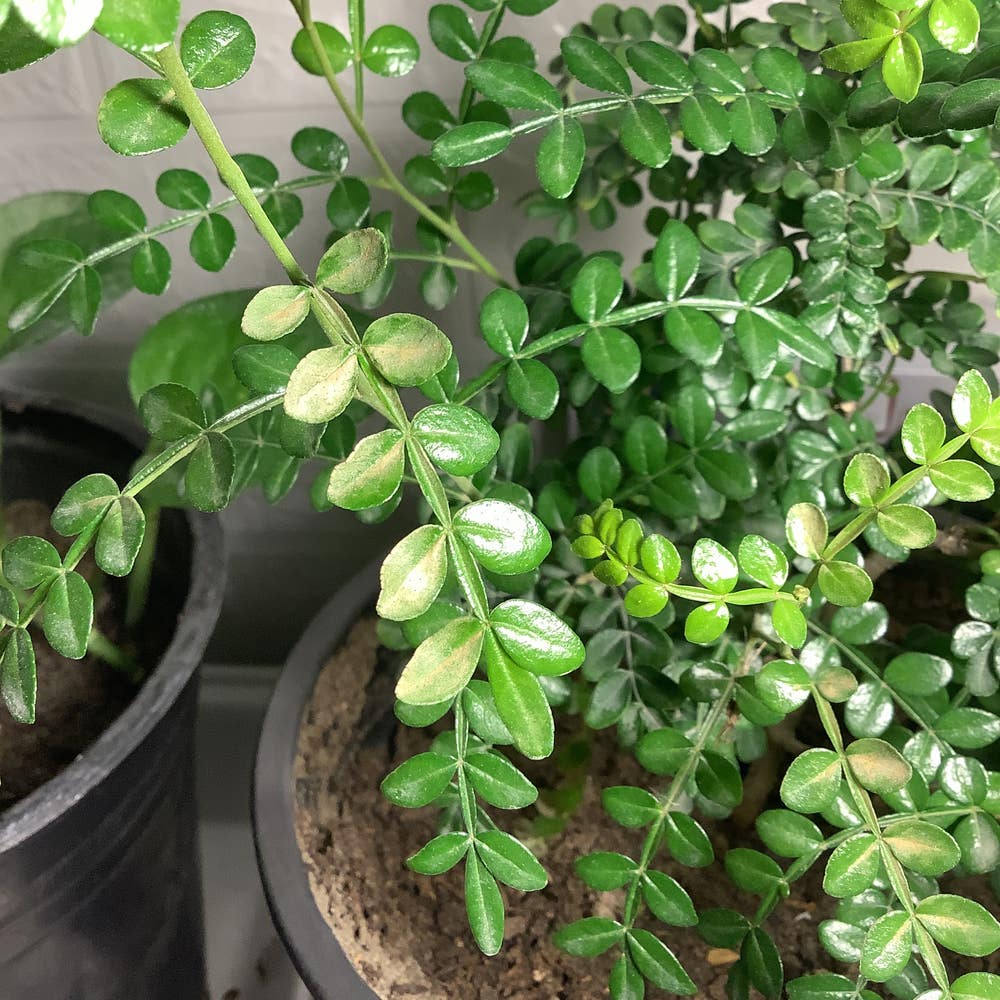
When to Plant Your Zanthoxylum 🌱
Zanthoxylum ekmanii
By the Greg Editorial Team
Nov 26, 2024•10 min read
This article was created with the help of AI so we can cover more plants for you. May contain errors. See one? Report it here.
- 🌍 Planting times vary by region: March-April in Florida, May-June in New York.
- 🌱 Start seeds indoors 6-8 weeks before the last frost for better growth.
- ❄️ Avoid frost damage by planting after the last frost date for successful germination.
Regional Planting Considerations
🌴 Ideal Planting Months in Florida
In Florida, the ideal planting window for Zanthoxylum is from March to April. This timing takes advantage of the warm climate and minimal frost risk, ensuring optimal growth conditions.
Soil temperature is another crucial factor. As the ground warms up, it becomes more conducive for planting, allowing the seeds to germinate effectively.
🌞 Ideal Planting Months in California
For California, the recommended planting window extends from March to May. This period accommodates the state's varied climate zones, which can significantly influence planting success.
Local microclimates play a vital role as well. Understanding these unique conditions can help you determine the best time to plant in your specific area.
🤠 Ideal Planting Months in Texas
In Texas, the best time to plant Zanthoxylum is also between March and April. However, the state's diverse climate regions, particularly between East and West Texas, necessitate careful consideration of local conditions.
Soil temperature and frost dates are essential factors to monitor. These elements can vary widely across the state, impacting your planting schedule.
🍎 Ideal Planting Months in New York
New York's optimal planting window is from May to June. This timing helps avoid the late frost risk that can occur in spring, which could jeopardize young plants.
Soil warming trends are important to consider as well. As temperatures rise, the soil becomes more suitable for planting, promoting healthy growth.
🏔️ Ideal Planting Months in Colorado
In Colorado, aim to plant Zanthoxylum between May and June. The state's high elevation leads to late frost dates, making this timeframe ideal for successful planting.
Soil temperature is another key consideration. Ensuring the soil is adequately warmed can significantly enhance seed germination and plant establishment.
🌾 Ideal Planting Months in Ohio
For Ohio, the recommended planting window is from April to May. This timeframe accounts for the moderate climate and potential frost risks that can occur during early spring.
Soil preparation timing is crucial here. Properly preparing the soil before planting can lead to better drainage and fertility, setting your plants up for success.
As you consider these regional planting windows, remember that local conditions can vary. Understanding your specific environment will help you make informed decisions for planting Zanthoxylum. Next, we will explore seed starting techniques to further enhance your gardening success.
Seed Starting Techniques
🌱 Starting Seeds Indoors: Timing and Methods
Starting your Zanthoxylum seeds indoors can give them a head start. Aim to begin this process 6-8 weeks before the last frost date in your area.
For optimal growth, maintain indoor temperatures between 70°F to 75°F (21°C to 24°C). Ensure your seeds receive adequate light by using full-spectrum grow lights or placing them in sunny windowsills.
When your seedlings are ready to transition outdoors, harden them off 1-2 weeks prior to planting. This gradual exposure to outdoor conditions helps them adjust and thrive.
🌾 Direct Sowing: Best Practices and Timing
If you prefer direct sowing, wait until after the last frost date. This timing ensures that your seeds have the best chance of germinating and growing successfully.
Soil preparation is crucial for direct sowing. Focus on creating well-drained soil and consider techniques like adding organic matter to improve soil quality.
When sowing seeds, pay attention to depth and spacing. Follow specific recommendations for your Zanthoxylum variety, and remember to water and care for your seeds post-sowing to encourage healthy growth.
With these seed starting techniques, you’ll be well on your way to cultivating thriving Zanthoxylum plants. Next, let’s explore the factors that influence your planting decisions.
Factors Influencing Planting Decisions
🌡️ Climate Considerations for Zanthoxylum
Zanthoxylum thrives in warm, well-drained environments. It's crucial to note that this plant is sensitive to extreme cold and frost, which can hinder its growth.
Understanding regional climate variations is essential for successful planting. Assess local climate conditions by considering average temperatures, frost dates, and humidity levels.
🏗️ Soil Preparation and Its Timing
Soil preparation is vital for enhancing drainage and fertility. A well-prepared soil environment supports healthy root development and overall plant vigor.
When it comes to soil amendments, incorporating organic matter is highly recommended. Additionally, pay attention to pH levels, as Zanthoxylum prefers slightly acidic to neutral soil.
Timing is everything in soil preparation. Conduct soil testing and apply necessary amendments well before planting to ensure optimal conditions for your Zanthoxylum.
With these factors in mind, you can make informed planting decisions that set your Zanthoxylum up for success. Next, let's explore effective seed starting techniques to further enhance your planting strategy.
Comprehensive Planting Guide
List of All 52 States and Optimal Planting Times for Zanthoxylum
When it comes to planting Zanthoxylum, timing is everything. Each state has its unique climate and conditions that dictate the best months for planting. Below is a detailed planting calendar that outlines optimal planting times across the United States.
| State | Optimal Planting Months |
|---|---|
| Alabama | March to April |
| Alaska | June to July |
| Arizona | March to May |
| Arkansas | March to April |
| California | March to May |
| Colorado | May to June |
| Connecticut | May to June |
| Delaware | April to May |
| Florida | March to April |
| Georgia | March to April |
| Hawaii | Year-round |
| Idaho | April to May |
| Illinois | April to May |
| Indiana | April to May |
| Iowa | April to May |
| Kansas | March to April |
| Kentucky | April to May |
| Louisiana | March to April |
| Maine | May to June |
| Maryland | April to May |
| Massachusetts | May to June |
| Michigan | May to June |
| Minnesota | May to June |
| Mississippi | March to April |
| Missouri | March to April |
| Montana | May to June |
| Nebraska | April to May |
| Nevada | March to May |
| New Hampshire | May to June |
| New Jersey | April to May |
| New Mexico | March to May |
| New York | May to June |
| North Carolina | March to April |
| North Dakota | May to June |
| Ohio | April to May |
| Oklahoma | March to April |
| Oregon | April to May |
| Pennsylvania | April to May |
| Rhode Island | May to June |
| South Carolina | March to April |
| South Dakota | May to June |
| Tennessee | March to April |
| Texas | March to April |
| Utah | March to May |
| Vermont | May to June |
| Virginia | March to April |
| Washington | April to May |
| West Virginia | April to May |
| Wisconsin | May to June |
| Wyoming | May to June |
📅 Summary of Factors Influencing Planting Times
Several factors influence the optimal planting times for Zanthoxylum across different states.
- Frost Dates: Knowing the last frost date is crucial. Planting too early can expose young plants to frost damage.
- Soil Temperature: Zanthoxylum thrives in warm soil. Ensure the soil temperature is suitable before planting.
- Day Length: Longer daylight hours in spring can promote better growth.
Understanding these factors will help you make informed decisions about when to plant Zanthoxylum in your region. With this knowledge, you're well on your way to a successful planting season.
Next, let’s explore the various seed starting techniques that can set you up for success!
⚠️ Safety First
This content is for general information and may contain errors, omissions, or outdated details. It is not medical, veterinary advice, or an endorsement of therapeutic claims.
Always consult a qualified healthcare professional before using any plant as food, medicine, or supplement.
Never eat any plant (or feed one to pets) without confirming its identity with at least two trusted sources.
If you suspect poisoning, call Poison Control (800) 222-1222, the Pet Poison Helpline (800) 213-6680, or your local emergency service immediately.
Spotted an error? Please report it here.
Get your Zanthoxylum off to a thriving start 🌱 by using Greg's tailored planting calendar and soil tips to navigate your local climate like a pro!