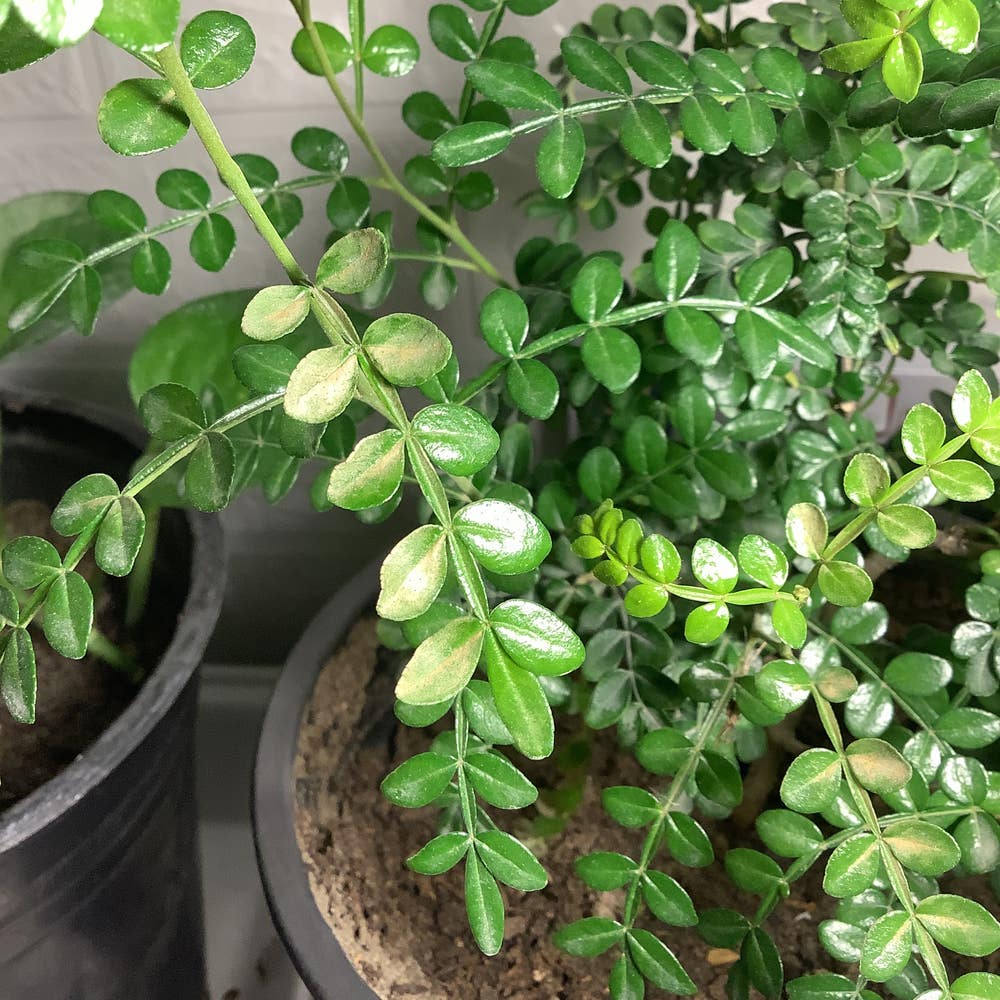
Managing Direct Sunlight for Your Zanthoxylum ☀️
Zanthoxylum ekmanii
By the Greg Editorial Team
Nov 26, 2024•4 min read
This article was created with the help of AI so we can cover more plants for you. May contain errors. See one? Report it here.
- 🌞 Zanthoxylum thrives in bright, indirect light; direct sunlight can cause leaf burn.
- 🪴 Monitor sunlight exposure to prevent wilting and stunted growth in your plants.
- 🌅 East-facing windows provide gentle light, ideal for Zanthoxylum's health and vitality.
Zanthoxylum and Direct Sunlight
🌞 Does Zanthoxylum Need Direct Sunlight?
Zanthoxylum species thrive in bright light but don’t strictly need direct sunlight to flourish. Instead, they often do best in bright, indirect light, which supports healthy growth without the risk of damage.
🌤️ Can Zanthoxylum Tolerate Direct Sunlight?
Some Zanthoxylum species can handle short bursts of direct sunlight, particularly in cooler climates. Their unique adaptations, like thorns and aromatic leaves, help them cope with increased sunlight exposure.
🔥 Effects of Too Much Direct Sunlight on Zanthoxylum
Excessive direct sunlight can lead to leaf burn, characterized by browning or crispy edges on the leaves. Additionally, too much sun can stunt growth and cause wilting, making it crucial to monitor their light conditions closely.
Understanding these aspects of Zanthoxylum's relationship with sunlight will help you create the ideal environment for your plants. Next, let’s explore how window direction plays a vital role in managing sunlight for your Zanthoxylum.
Window Direction and Sunlight
🌞 Importance of Window Direction for Zanthoxylum
The direction of your windows plays a crucial role in the health of your Zanthoxylum. South-facing windows typically provide the most direct sunlight, making them ideal for light-loving species that thrive in bright conditions.
In contrast, north-facing windows offer the least direct sunlight. If your Zanthoxylum is placed here, you may need to provide supplemental lighting to ensure it receives enough light for healthy growth.
🌅 How Sunlight Changes with Different Window Orientations
Different window orientations can significantly impact the amount and quality of sunlight your Zanthoxylum receives. East-facing windows allow for gentle morning sunlight, which is perfect for gradual exposure and helps prevent shock.
On the other hand, west-facing windows expose your plant to intense afternoon sunlight. This can be too harsh, so consider using shades or sheer curtains to protect your Zanthoxylum from potential leaf burn.
Understanding these dynamics can help you create the best environment for your plant. By positioning it correctly, you can ensure it thrives and flourishes in your home.
Signs of Sunlight Stress
🌞 Identifying Leaf Burn in Zanthoxylum
Leaf burn is a common issue for Zanthoxylum when exposed to too much direct sunlight. Look for symptoms like brown, crispy edges on the leaves and overall discoloration, which indicate that your plant is struggling.
Prolonged exposure to intense sunlight can lead to these distressing signs. If you notice these changes, it’s time to reassess your plant's location and light conditions.
🔆 Other Symptoms of Too Much Sunlight
In addition to leaf burn, Zanthoxylum may exhibit other signs of sunlight stress. Wilting is a key indicator; leaves may droop or appear limp, signaling that the plant is not getting the care it needs.
Stunted growth is another red flag. If your Zanthoxylum is growing slower than expected or producing smaller leaves, it might be time to adjust its light exposure.
Recognizing these symptoms early can help you take action and restore your plant's health. By monitoring your Zanthoxylum closely, you can ensure it thrives in the right conditions.
Next, let’s explore the best practices for managing sunlight exposure to keep your Zanthoxylum happy and healthy.
Best Practices for Sunlight Management
Tips for Positioning Zanthoxylum in Your Home 🌅
Finding the right spot for your Zanthoxylum is crucial for its health. Position it near east or west-facing windows to provide optimal light exposure without overwhelming it.
To protect your plant from harsh midday sun, consider using sheer curtains or blinds. This simple adjustment can diffuse the light, creating a more suitable environment for your Zanthoxylum to thrive.
Adjusting Care Based on Sunlight Exposure 🌞
Monitoring light levels is essential for maintaining your Zanthoxylum's vitality. Use a light meter or simply observe how your plant responds to its environment to determine if adjustments are needed.
As seasons change, so should your plant's location. Moving your Zanthoxylum to adapt to varying sunlight conditions ensures it receives the right amount of light year-round, promoting healthy growth and vibrant foliage.
⚠️ Safety First
This content is for general information and may contain errors, omissions, or outdated details. It is not medical, veterinary advice, or an endorsement of therapeutic claims.
Always consult a qualified healthcare professional before using any plant as food, medicine, or supplement.
Never eat any plant (or feed one to pets) without confirming its identity with at least two trusted sources.
If you suspect poisoning, call Poison Control (800) 222-1222, the Pet Poison Helpline (800) 213-6680, or your local emergency service immediately.
Spotted an error? Please report it here.
Keep your Zanthoxylum thriving 🌱 by using Greg's tailored light monitoring and care tips to manage its sunlight needs effectively!