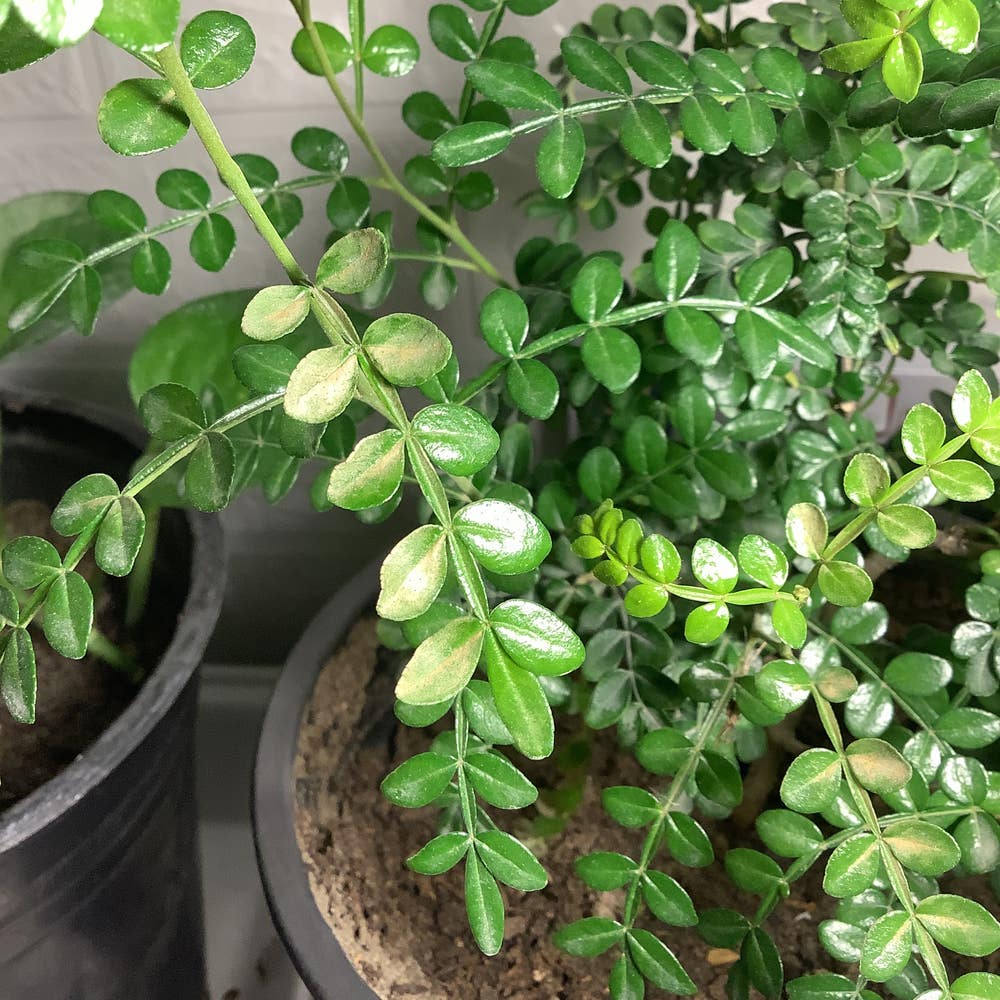
8 Zanthoxylum Landscaping Hacks 🏡
Zanthoxylum ekmanii
By the Greg Editorial Team
Nov 26, 2024•4 min read
This article was created with the help of AI so we can cover more plants for you. May contain errors. See one? Report it here.
- 🌳 Zanthoxylum creates stunning focal points in gardens, spaced 6-10 feet apart for growth.
- 🌼 Aromatic leaves and textured bark provide striking contrasts, enhancing seasonal beauty.
- 🌿 Versatile for small or large spaces, Zanthoxylum adapts beautifully to any garden style.
Fragrant Focal Point
Description of Placement and Scale 🌱
Position your Zanthoxylum as a central feature in garden beds or as a standalone specimen. For optimal growth and visual impact, space them 6-10 feet apart.
Visual Impact and Aesthetic Appeal 🎨
The aromatic leaves and textured bark create a striking contrast against other plants. Seasonal changes, especially in fall, enhance visual interest with vibrant foliage.
Adaptation for Different Garden Sizes 🌳
In small gardens, a single Zanthoxylum can serve as a stunning focal point. For larger spaces, group multiple plants to create a cohesive and inviting look.
This fragrant focal point not only beautifies your garden but also sets the stage for the next landscaping hack: integrating Zanthoxylum into a serene Zen garden.
Zen Garden Integration
Implementation in a Feng Shui Context 🌊
Integrating Zanthoxylum into your zen garden can significantly enhance its tranquility. Position these plants near water features or meditation spaces to promote a serene atmosphere, aligning with feng shui principles to enhance positive energy flow.
Benefits in a Tranquil Setting 🌼
The soothing aroma of Zanthoxylum contributes to a calming environment, making it ideal for relaxation. Additionally, its presence can attract beneficial wildlife, enriching your garden's ecosystem and creating a harmonious balance.
Adaptation for Various Styles 🎨
When designing your zen garden, consider the style that resonates with you. For a modern look, opt for clean lines and minimalistic designs, using Zanthoxylum as a striking statement piece. In contrast, traditional gardens can benefit from a more structured layout, incorporating these plants surrounded by stones or gravel for a timeless appeal.
Transitioning from the peaceful integration of Zanthoxylum in your zen garden, let’s explore how to create container gardens that bring charm and versatility to any space.
Container Garden Charm
🌿 Ideas for Container Design
Creating a stunning container garden starts with selecting the right pots. Choose decorative containers that highlight the unique bark and foliage of Zanthoxylum, adding visual interest to your space.
Mixing soil types is crucial for healthy growth. A combination of potting soil, compost, and perlite ensures proper drainage and nutrient retention, giving your plants the best chance to thrive.
☀️ Placement on Patios or Balconies
Maximize growth and fragrance by positioning your containers in sunny spots. Zanthoxylum loves the sun, and a well-placed pot can transform your patio or balcony into a fragrant oasis.
For added visual interest, create a layered effect by combining your Zanthoxylum with trailing plants. This not only enhances the aesthetic but also adds depth to your container garden.
🏡 Customization for Small Spaces
If you're working with limited space, opt for dwarf varieties of Zanthoxylum. These compact plants are perfect for container gardening, allowing you to enjoy their beauty without overwhelming your area.
Utilizing vertical space is another smart strategy. Stack containers or use wall-mounted planters to maximize your gardening potential, making even the smallest balcony feel lush and inviting.
With these container gardening tips, you can create a charming and fragrant retreat right at home. Next, let’s explore how to use Zanthoxylum as a natural privacy screen in your backyard.
Backyard Privacy Screen
Using for Natural Screening 🌿
Creating a natural privacy screen with Zanthoxylum is both practical and visually appealing. Plant these beauties in staggered rows, ensuring a spacing of 3-5 feet apart for dense coverage that effectively blocks unwanted views.
Scale and Visual Impact in Backyard Design 🎨
The height and bushy nature of Zanthoxylum make it an attractive backdrop for outdoor living spaces. Consider incorporating lighting to highlight their unique texture during evening gatherings, adding a warm ambiance to your backyard.
Adaptation for Urban vs. Rural Settings 🌆
In urban areas, Zanthoxylum can serve as a noise barrier, transforming your space into a serene retreat. In rural settings, blend these plants with native species to create a harmonious, naturalistic look that enhances the landscape.
Transitioning from a privacy screen to a more open space can lead us to explore how Zanthoxylum can serve as a striking front yard statement piece.
Front Yard Statement Piece
Creating a Striking Entrance 🌟
Positioning Zanthoxylum near walkways or entry points instantly draws attention. Opt for a single, larger specimen for maximum impact, or cluster several plants together for a more inviting look.
Placement for Maximum Aesthetic Appeal 🎨
Ensure your Zanthoxylum is visible from the street while considering the overall landscape design. Pair it with complementary plants to create a cohesive and attractive front yard.
Variations for Different Architectural Styles 🏡
For modern homes, geometric planters and clean lines work beautifully. In contrast, traditional homes benefit from incorporating Zanthoxylum with classic hedging or flowering plants for a timeless appeal.
Integrating Zanthoxylum into your front yard not only enhances curb appeal but also sets the tone for your entire landscape. Next, let’s explore how to create a backyard privacy screen using this versatile plant.
⚠️ Safety First
This content is for general information and may contain errors, omissions, or outdated details. It is not medical, veterinary advice, or an endorsement of therapeutic claims.
Always consult a qualified healthcare professional before using any plant as food, medicine, or supplement.
Never eat any plant (or feed one to pets) without confirming its identity with at least two trusted sources.
If you suspect poisoning, call Poison Control (800) 222-1222, the Pet Poison Helpline (800) 213-6680, or your local emergency service immediately.
Spotted an error? Please report it here.
Elevate your garden's aesthetic appeal 🌿 with Zanthoxylum as a stunning focal point, and let Greg provide tailored care reminders to help your plants flourish!