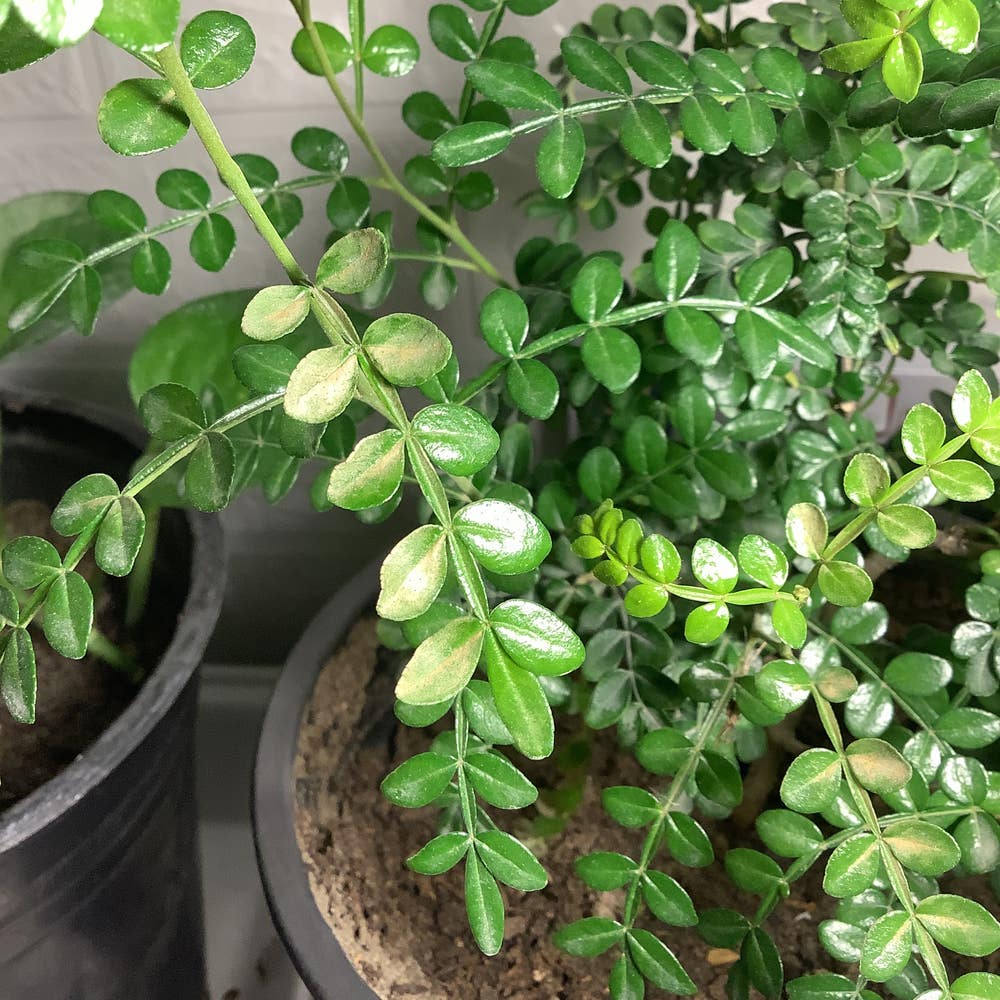
Dealing with Droopy Leaves on Your Zanthoxylum 😢
Zanthoxylum ekmanii
By the Greg Editorial Team
Nov 26, 2024•7 min read
This article was created with the help of AI so we can cover more plants for you. May contain errors. See one? Report it here.
- 💧 Overwatering and underwatering are primary causes of droopy leaves in Zanthoxylum.
- 🌡️ Optimal temperatures for Zanthoxylum are 60°F to 80°F (15°C to 27°C) for health.
- 🌱 Regular monitoring of soil moisture and humidity prevents droopy leaves effectively.
Causes of Droopy Leaves
💧 Overwatering and Root Rot
Overwatering is a common culprit behind droopy leaves on your Zanthoxylum. Symptoms include yellowing leaves, mushy roots, and a foul odor emanating from the soil.
Root rot often results from fungal infections that thrive in waterlogged conditions. To prevent this, ensure your plant is in well-draining soil and use pots equipped with drainage holes.
🌵 Underwatering and Drought Stress
On the flip side, underwatering can also lead to droopy leaves. Signs of drought stress include crispy leaf edges, wilting, and dry soil.
This condition can stunt growth and even cause leaf drop. To combat this, regularly check soil moisture and adjust your watering frequency accordingly.
🌡️ Environmental Stress Factors
Temperature
Zanthoxylum thrives in a temperature range of 60°F to 80°F (15°C to 27°C). Extreme temperatures can lead to leaf droop and overall plant stress.
Humidity
These plants prefer moderate to high humidity levels. Low humidity can cause symptoms like leaf curling and drooping, indicating your plant is struggling.
🐛 Pest Infestations
Common Pests
Pests can wreak havoc on your Zanthoxylum, causing droopy leaves. Aphids leave behind sticky residue and can curl leaves, while spider mites create fine webbing and stippled foliage.
Control methods include using neem oil, insecticidal soap, or introducing beneficial insects to your garden.
🌱 Nutrient Deficiencies
Nitrogen Deficiency
A lack of nitrogen can manifest as pale leaves and stunted growth. The solution is straightforward: use a balanced fertilizer that contains nitrogen.
Potassium Deficiency
Potassium deficiency often shows up as leaf tip burn and drooping. To remedy this, apply a potassium-rich fertilizer to restore balance.
Understanding these causes is essential for maintaining the health of your Zanthoxylum. With this knowledge, you can take proactive steps to ensure your plant thrives. Next, let’s explore how to diagnose droopy leaves effectively.
Diagnosing Droopy Leaves
👀 Visual Signs of Droopiness
Identifying droopy leaves is crucial for understanding your Zanthoxylum's health. Look for signs that differentiate healthy foliage from unhealthy ones, such as leaf color and texture.
💧 Assessing Soil Moisture Levels
Checking soil moisture is essential for proper care. Use techniques like the finger test, a moisture meter, or simply lifting the pot to gauge moisture levels.
🐛 Checking for Pests and Diseases
Inspecting leaves and stems for pests is a vital step in diagnosis. Pay close attention to the undersides and leaf joints, looking for signs of fungal growth, discoloration, or lesions.
🌞 Evaluating Environmental Conditions
💡 Light Requirements
Optimal light exposure for Zanthoxylum ranges from full sun to partial shade. If you notice stretching stems and drooping leaves, your plant may not be getting enough light.
🌡️ Temperature Assessment
Monitoring temperature fluctuations is key to maintaining a stable environment for your plant. Keeping your Zanthoxylum within its ideal temperature range helps prevent stress and droopiness.
By carefully diagnosing the causes of droopy leaves, you can take the necessary steps to restore your plant's health. Next, let’s explore effective solutions to revive your Zanthoxylum and keep it thriving.
Solutions for Droopy Leaves
🌊 Adjusting Watering Practices
Establishing a consistent watering schedule is crucial for your Zanthoxylum's health. Water the plant when the top inch of soil feels dry to the touch, ensuring it receives adequate moisture without becoming waterlogged.
Deep watering is another effective technique. This encourages roots to grow deeper into the soil, promoting a stronger, more resilient plant.
🪴 Improving Drainage and Soil Quality
To prevent droopy leaves, use a well-draining potting mix that includes perlite or sand. This combination helps maintain moisture while preventing root rot.
Enhancing drainage can also make a significant difference. Consider adding gravel to the bottom of your pots or using containers with drainage holes to allow excess water to escape.
💧 Increasing Humidity Levels
Boosting humidity is essential for Zanthoxylum, especially in dry environments. You can increase humidity by misting the leaves, placing pebble trays filled with water beneath the pots, or using a humidifier.
Aim for a humidity range of 40-60% to keep your plant thriving. This level of moisture will help prevent leaf curling and drooping.
🐛 Treating Pest Infestations
If you suspect pests are causing droopy leaves, follow a step-by-step pest control approach. Start by identifying the pests, then choose an appropriate treatment method, such as neem oil or insecticidal soap.
Early intervention is key to preventing further damage. Regularly inspect your plant to catch any infestations before they escalate.
🌱 Fertilizing Appropriately
A proper fertilization schedule can help your Zanthoxylum recover from droopiness. Fertilize every 4-6 weeks during the growing season to provide essential nutrients.
Choose balanced NPK fertilizers or organic options to support healthy growth. This will ensure your plant has the nutrients it needs to thrive.
By implementing these solutions, you can effectively address droopy leaves and promote a healthier, more vibrant Zanthoxylum. Next, let’s explore how to prevent droopy leaves from becoming a recurring issue.
Preventing Droopy Leaves
🌱 Best Practices for Care
Regular maintenance is key to keeping your Zanthoxylum healthy. Pruning, cleaning leaves, and monitoring plant health can prevent many issues before they arise.
Proper watering and drainage are crucial. Ensure your pot has drainage holes and that you’re using well-draining soil to avoid waterlogged conditions.
🌦️ Seasonal Care Adjustments
Adjust your care routine based on the seasons. In summer, your plant may need more frequent watering, while in winter, you should reduce it.
Keep an eye on temperature and humidity changes throughout the year. This awareness helps you adapt your care to meet your plant's needs.
🔍 Regular Monitoring and Maintenance
Consider keeping a care journal. Documenting your watering, fertilization, and growth patterns can help you spot trends and issues early.
Early detection is vital for preventing droopy leaves. Regularly check your plant for any signs of distress.
📍 Choosing the Right Location
Placement matters! Your Zanthoxylum thrives in bright, indirect light, so find a spot that offers this while protecting it from harsh winds.
Avoid locations with extreme temperature fluctuations. A stable environment promotes healthy growth and reduces stress on your plant.
With these preventive measures in place, your Zanthoxylum will be better equipped to thrive. Next, let’s explore recovery techniques if your plant does show signs of droopiness.
Recovery Techniques
Step-by-Step Recovery Plan 🌱
When your Zanthoxylum shows droopy leaves, the first step is to assess the cause. Determine if the issue stems from overwatering, underwatering, pests, or nutrient deficiencies.
Next, adjust your watering practices based on your findings. If the soil is too wet, allow it to dry out; if it's dry, give it a good drink.
If pests or diseases are present, treat them promptly to prevent further damage. Lastly, if you suspect nutrient deficiencies, apply a suitable fertilizer to restore balance.
Signs of Recovery to Look For 👀
As your plant begins to recover, watch for signs of leaf firmness returning. Healthy leaves should regain their turgidity, indicating improved hydration.
You should also look for new growth, such as fresh leaves or shoots. This is a positive sign that your Zanthoxylum is bouncing back.
Long-Term Care Strategies 🛠️
To ensure your plant remains healthy, establish a consistent care routine. Regular watering, fertilization, and monitoring are key to preventing future droopiness.
Additionally, educate yourself on the specific needs of your Zanthoxylum species. Understanding its requirements will help you provide the best care possible.
By following these recovery techniques, you can help your Zanthoxylum thrive and enjoy its vibrant foliage for years to come. Now, let’s explore how to prevent droopy leaves in the first place.
⚠️ Safety First
This content is for general information and may contain errors, omissions, or outdated details. It is not medical, veterinary advice, or an endorsement of therapeutic claims.
Always consult a qualified healthcare professional before using any plant as food, medicine, or supplement.
Never eat any plant (or feed one to pets) without confirming its identity with at least two trusted sources.
If you suspect poisoning, call Poison Control (800) 222-1222, the Pet Poison Helpline (800) 213-6680, or your local emergency service immediately.
Spotted an error? Please report it here.
Revive your Zanthoxylum's vitality 🌱 by using Greg's tailored watering reminders and care tips to keep droopy leaves at bay!