📏 Zanthoxylum Height and Width Guide
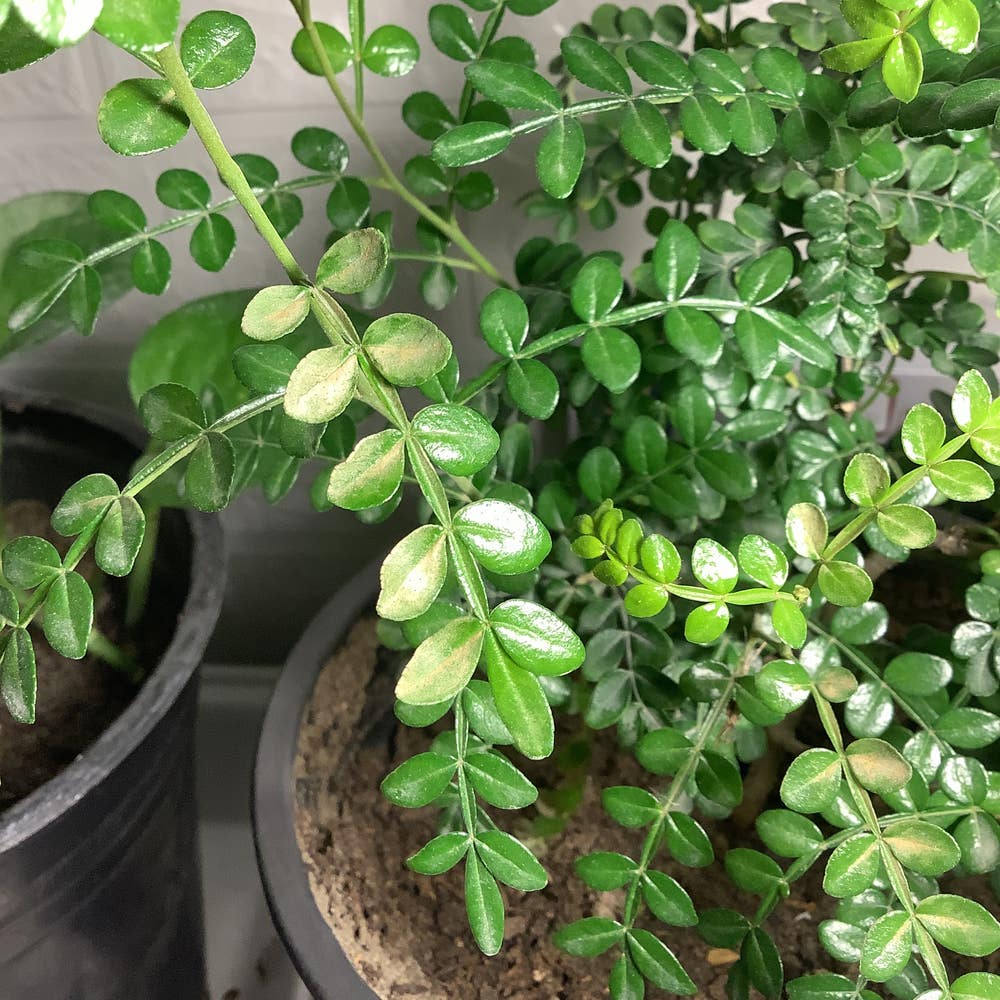
Zanthoxylum ekmanii
By the Greg Editorial Team
Nov 26, 2024•5 min read
This article was created with the help of AI so we can cover more plants for you. May contain errors. See one? Report it here.
- 🌳 Zanthoxylum heights vary from under 5 to over 30 feet, widths from 3 to 20+ feet.
- ⏳ Growth rates differ: fast-growing species mature in 3-5 years, slow in over a decade.
- 🌱 Pruning and care are essential for controlling size and promoting healthy growth.
Mature Height and Width
Typical Dimensions 🌱
Zanthoxylum plants exhibit a fascinating range of mature heights, from under 5 feet to towering specimens that can reach up to 30 feet. Their mature width can also vary significantly, stretching from a compact 3 feet to an impressive over 20 feet.
Factors Influencing Size 📏
The size of Zanthoxylum is influenced by species-specific characteristics. Some species are naturally larger or smaller, while their growth habits—whether bushy or tree-like—can also affect how we perceive their overall size.
Measuring Growth 📐
To measure height and width accurately, consider using a tape measure or a yardstick. It's essential to account for both above-ground growth and root spread, as this provides a complete picture of the plant's size and health.
Understanding these dimensions and factors can help you make informed decisions about planting and caring for Zanthoxylum in your garden. Next, we'll explore the growth rates of these intriguing plants.
Growth Rate
Average Growth Rates 🌱
When it comes to Zanthoxylum, growth rates can vary significantly. Fast-growing species can reach impressive heights in just 3 to 5 years, making them a popular choice for quick landscape impact.
On the other hand, slow-growing species may take over a decade to achieve their mature size. Patience is key if you opt for these varieties.
Factors Affecting Growth Rate 🌍
Several factors influence how quickly Zanthoxylum plants grow. Environmental conditions play a crucial role; optimal soil, adequate light, and sufficient water can significantly enhance growth.
Additionally, species differences are important. Some Zanthoxylum species are genetically predisposed to grow faster than others, so choosing the right type can make all the difference in your garden.
Understanding these growth rates and influencing factors can help you make informed decisions about which Zanthoxylum species to plant, ensuring your garden thrives beautifully.
Timeframe to Reach Full Size
🕒 General Timeframes
When it comes to Zanthoxylum, understanding the timeframe to reach full size is crucial for planning your garden. Dwarf varieties typically mature in about 3 to 5 years, making them a great choice for smaller spaces.
Standard varieties take a bit longer, usually reaching their full height in 5 to 10 years. For those with more room to spare, giant varieties can take 10 to 15 years to fully mature, offering a striking presence in any landscape.
⏳ Influencing Factors
Several factors can influence how quickly your Zanthoxylum reaches its full size. Care practices play a significant role; regular watering, proper fertilization, and attentive pruning can all help accelerate growth.
Environmental conditions also matter. Optimal sunlight, well-drained soil, and adequate moisture can speed up growth, while poor conditions may delay it. Understanding these elements can help you create the best environment for your plants.
As you plan your garden, keep these timeframes and influencing factors in mind. They will guide your expectations and help you make informed decisions about which Zanthoxylum varieties to choose for your space.
Size Variability Among Species
Dwarf vs. Giant Varieties 🌱
Zanthoxylum species showcase a fascinating range of sizes. Dwarf varieties typically reach heights of 3 to 5 feet and widths of 2 to 4 feet, making them perfect for smaller gardens or container planting. Their growth habits tend to be bushy, creating dense foliage that can add texture to your landscape.
In contrast, giant varieties can soar to impressive heights of 20 to 30 feet, with widths exceeding 20 feet. These towering plants often exhibit a tree-like form, providing significant shade and a striking focal point in larger spaces. Their expansive growth habits can create a dramatic presence in any garden.
Implications for Garden Design 🏡
Understanding the size variability among Zanthoxylum species is crucial for effective landscaping. Dwarf varieties are ideal for compact spaces, allowing for creative arrangements without overwhelming the area. They can be used as borders or in mixed plantings to add depth.
On the other hand, giant varieties require ample space to thrive. When planning your garden, consider their mature size to avoid overcrowding. Proper placement ensures that each plant can reach its full potential, enhancing the overall aesthetic and functionality of your outdoor space.
This knowledge not only aids in selecting the right species but also influences your garden's design and layout, ensuring a harmonious balance between plants and their environment.
Size Control Techniques
✂️ Pruning Methods to Manage Size
Pruning is essential for controlling the size of Zanthoxylum plants. Effective techniques include selective cutting, where you remove specific branches to shape the plant without sacrificing its health.
Use sharp, clean pruning shears for precise cuts. For larger branches, a pruning saw may be necessary to ensure a clean removal, promoting quicker healing.
🌱 Techniques for Encouraging Compact Growth
To encourage bushier growth, consider pinching back the tips of new shoots. This technique stimulates lateral branching, resulting in a fuller appearance.
Incorporating fertilizers can also help manage size. Balanced fertilizers provide essential nutrients, while growth regulators can limit vertical growth, keeping your Zanthoxylum compact.
📅 Seasonal Timing for Effective Pruning
Timing your pruning is crucial for optimal results. The best times to prune Zanthoxylum are late winter or early spring before new growth begins.
Understanding seasonal growth patterns can enhance your pruning strategy. Pruning during dormancy minimizes stress on the plant and encourages robust growth when the season changes.
By mastering these size control techniques, you can maintain the ideal dimensions of your Zanthoxylum, ensuring it fits beautifully into your garden design. Next, let’s explore how size variability among species can influence your landscaping choices.
⚠️ Safety First
This content is for general information and may contain errors, omissions, or outdated details. It is not medical, veterinary advice, or an endorsement of therapeutic claims.
Always consult a qualified healthcare professional before using any plant as food, medicine, or supplement.
Never eat any plant (or feed one to pets) without confirming its identity with at least two trusted sources.
If you suspect poisoning, call Poison Control (800) 222-1222, the Pet Poison Helpline (800) 213-6680, or your local emergency service immediately.
Spotted an error? Please report it here.
Unlock the full potential of your Zanthoxylum plants 🌳 with Greg's tailored care reminders and expert tips to help them flourish in your garden!