What's Eating Your Zanthoxylum? 🐞
Zanthoxylum ekmanii
By the Greg Editorial Team
Nov 26, 2024•7 min read
This article was created with the help of AI so we can cover more plants for you. May contain errors. See one? Report it here.
- 🌳 Zanthoxylum enhances gardens with its striking appearance and aromatic fruits.
- 🦌 Deer, rabbits, and rodents threaten Zanthoxylum; use repellents and fencing for protection.
- 🐝 Attract beneficial wildlife to improve pollination and pest control in your garden.
Description and Appeal of Zanthoxylum
Zanthoxylum, commonly known as the prickly ash, is a striking addition to any garden, typically reaching heights of 10 to 30 feet. Its impressive stature makes it a standout feature, providing both beauty and structure.
🍃 Leaves and Flowers
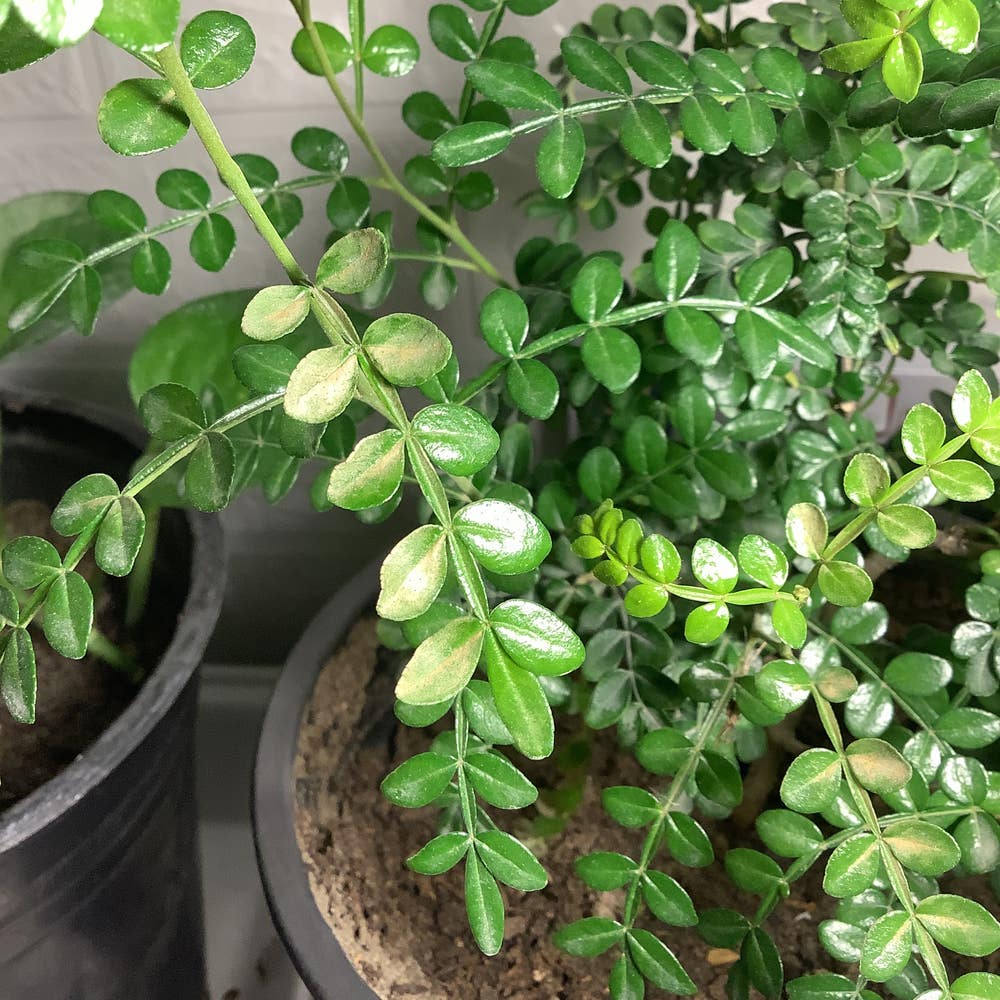
The plant boasts compound leaves that shine with a glossy green finish, creating a lush backdrop. In spring, small, yellowish-green flowers bloom in clusters, adding a delicate touch to its overall appearance.
🍇 Fruits and Attraction
One of the most appealing aspects of Zanthoxylum is its sweet and aromatic fruits. These fruits not only attract a variety of herbivores but also contribute to the plant's ecological role, drawing in pollinators and other beneficial wildlife.
Zanthoxylum is more than just a pretty face; it plays a vital role in the ecosystem. Its unique characteristics make it a valuable asset for any garden enthusiast looking to enhance biodiversity while enjoying its aesthetic charm.
As we explore the common herbivores that may threaten this beautiful plant, understanding its appeal will help us appreciate the balance of nature in our gardens.
Common Herbivores
🦌 Deer
Signs of presence and damage caused
Deer are notorious for their browsing habits, often munching on the leaves and young shoots of Zanthoxylum. Look for distinctive hoof prints nearby and signs of damage, such as ragged edges on leaves and stunted growth.
Impact on Zanthoxylum (beneficial or harmful)
The impact of deer on Zanthoxylum is generally harmful. Their feeding can decimate young plants and significantly hinder growth.
Deterrent methods (difficulty: moderate)
To deter deer, consider using commercial deer repellents as a chemical solution. Alternatively, you can plant deer-resistant species nearby or use organic methods like human hair or soap shavings to keep them at bay.
🐇 Rabbits
Signs of presence and damage caused
Rabbits leave their mark with gnaw marks on stems and leaves, along with small, round droppings near the base of the plant. These signs indicate their presence and potential damage.
Impact on Zanthoxylum (beneficial or harmful)
Rabbits are generally harmful to Zanthoxylum. Their feeding habits can severely damage young plants and stunt their growth.
Deterrent methods (difficulty: easy)
For an easy deterrent, use bitter-tasting sprays to discourage rabbits. Additionally, fencing at least 2 feet high and planting rabbit-resistant plants can effectively protect your Zanthoxylum.
🐿️ Squirrels
Signs of presence and damage caused
Squirrels can be quite destructive, leaving chewed branches and fruits in their wake. You may also find nesting debris, such as twigs and leaves, scattered around the base of the plant.
Impact on Zanthoxylum (beneficial or harmful)
The impact of squirrels is generally harmful. They can damage fruits and young branches, leading to significant losses.
Deterrent methods (difficulty: moderate)
To keep squirrels away, consider using capsaicin-based sprays as a chemical deterrent. Organic methods include installing squirrel-proof feeders and placing reflective objects around the area.
🐦 Birds
Signs of presence and damage caused
Birds can be both friends and foes. Look for peck marks on fruits and leaves, as well as nesting activity in the branches, which indicates their presence.
Impact on Zanthoxylum (beneficial or harmful)
The impact of birds is mixed. While some birds help control pests, others may damage fruits, creating a balancing act for gardeners.
Deterrent methods (difficulty: easy)
To deter birds, use non-toxic bird repellents as a chemical solution. Organic methods like netting over fruits and employing scare devices, such as reflective tape, can also be effective.
🐭 Rodents
Signs of presence and damage caused
Rodents can cause significant issues, leaving gnawed roots and stems in their wake. You may also notice burrows near the base of the plant, indicating their activity.
Impact on Zanthoxylum (beneficial or harmful)
Rodents are generally harmful to Zanthoxylum. Their feeding can lead to considerable damage to roots and lower stems.
Deterrent methods (difficulty: moderate)
To manage rodent populations, consider using rodent bait stations as a chemical deterrent. Organic methods include trapping and using natural repellents like peppermint oil.
🦡 Groundhogs
Signs of presence and damage caused
Groundhogs can be particularly destructive, leaving large holes dug near the plant and chewed stems and leaves. Their signs are hard to miss.
Impact on Zanthoxylum (beneficial or harmful)
The impact of groundhogs is generally harmful. They can severely damage or even kill young plants, making them a significant threat.
Deterrent methods (difficulty: hard)
To deter groundhogs, you might use commercial groundhog repellents as a chemical solution. Organic methods include fencing at least 3 feet high and planting barriers of strong-smelling herbs to keep them away.
Understanding the various herbivores that target Zanthoxylum is crucial for effective management. By implementing the right deterrent methods, you can protect your plants and foster a thriving garden ecosystem. Next, we will explore the beneficial animals that can enhance the health of your Zanthoxylum and overall garden.
Beneficial Animals and Ecological Role
🐝 Description of Beneficial Animals Attracted to Zanthoxylum
Zanthoxylum is a magnet for beneficial creatures that play vital roles in the ecosystem. Pollinators like bees and butterflies flock to its flowers, ensuring the plants can reproduce effectively.
In addition to pollinators, predatory insects such as ladybugs and lacewings are also drawn to Zanthoxylum. These helpful insects keep pest populations in check, creating a balanced garden environment.
🌿 Positive Impacts on the Garden Ecosystem
The presence of these beneficial animals leads to enhanced pollination, which results in better fruit set for Zanthoxylum. This natural process not only boosts the plant's productivity but also contributes to a thriving garden.
Moreover, the natural pest control provided by predatory insects reduces the need for chemical interventions. This means a healthier garden ecosystem, where plants can flourish without the risks associated with synthetic pesticides.
By fostering an environment that attracts these beneficial animals, gardeners can create a sustainable and vibrant landscape. This approach not only protects Zanthoxylum but also enriches the entire garden ecosystem, paving the way for a more harmonious relationship between plants and wildlife.
As we explore further, let’s delve into general strategies for protecting Zanthoxylum from herbivores and ensuring its continued growth.
General Strategies for Protection
🛡️ Preventive Measures for Protecting Zanthoxylum
Protecting your Zanthoxylum from herbivores starts with effective preventive measures. Fencing is one of the most reliable methods; installing barriers can deter larger animals like deer and groundhogs from accessing your plants.
Another strategy is companion planting. By surrounding Zanthoxylum with plants that naturally repel herbivores, you can create a protective buffer that enhances your garden's resilience.
⚠️ Reactive Solutions for Managing Animal Interactions
Even with preventive measures, herbivores may still find their way to your Zanthoxylum. Regular monitoring for signs of damage is crucial; look for chewed leaves or tracks that indicate animal presence.
When you notice these signs, take immediate action. Quick responses can minimize damage and help maintain the health of your plants.
🌱 Seasonal Variations in Animal Attraction to Zanthoxylum
Understanding the seasonal behavior of herbivores can enhance your protection strategies. Expect increased herbivore activity in spring and early summer when young shoots are particularly appealing.
Keep an eye on changes in animal behavior throughout the seasons. This awareness allows you to adjust your protective measures accordingly, ensuring your Zanthoxylum thrives year-round.
As you implement these strategies, remember that a proactive approach will help you maintain a healthy garden ecosystem. Next, we'll explore the toxicity and safety of Zanthoxylum and its implications for herbivore interactions.
Toxicity and Safety
Toxic Effects of Zanthoxylum on Animals 🐾
Zanthoxylum species can contain compounds that deter certain herbivores, making them less appealing to some animals. However, it's important to note that these plants can also pose a risk; they may exhibit mild toxicity to livestock and pets if consumed in large quantities.
Implications for Herbivore Interactions 🦙
Understanding the toxicity of Zanthoxylum is crucial for managing animal interactions. By knowing which animals are deterred or affected, you can create a balanced ecosystem that protects your plants while still attracting beneficial wildlife.
This knowledge empowers you to make informed decisions about your garden, ensuring that Zanthoxylum thrives amidst the diverse animal life that surrounds it. As you cultivate your space, consider how these dynamics play out, and take proactive steps to maintain harmony in your garden.
⚠️ Safety First
This content is for general information and may contain errors, omissions, or outdated details. It is not medical, veterinary advice, or an endorsement of therapeutic claims.
Always consult a qualified healthcare professional before using any plant as food, medicine, or supplement.
Never eat any plant (or feed one to pets) without confirming its identity with at least two trusted sources.
If you suspect poisoning, call Poison Control (800) 222-1222, the Pet Poison Helpline (800) 213-6680, or your local emergency service immediately.
Spotted an error? Please report it here.
Safeguard your gorgeous Zanthoxylum 🌿 from herbivores with Greg's tailored care reminders and tips, ensuring it thrives beautifully in your garden!