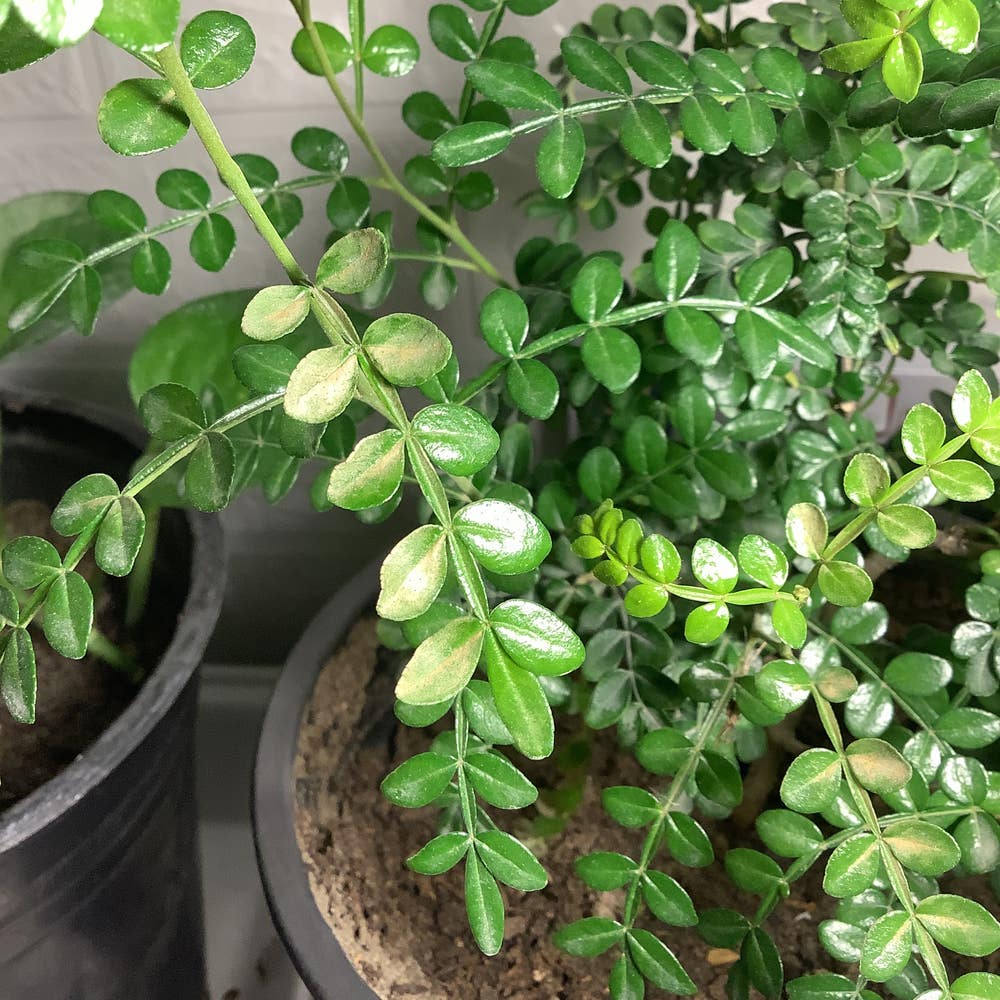
Step-by-Step Guide to Growing Zanthoxylum Outdoors
Zanthoxylum ekmanii
By the Greg Editorial Team
Nov 26, 2024•5 min read
This article was created with the help of AI so we can cover more plants for you. May contain errors. See one? Report it here.
- ☀️ Zanthoxylum needs 6-8 hours of sunlight daily for optimal growth and fruit yield.
- 💧 Water frequently until established; then, they become drought-tolerant and require less.
- 🌱 Well-drained soil with pH 6.0-7.5 is ideal for healthy Zanthoxylum growth.
Outdoor Care Requirements
🌞 Sunlight Needs
To thrive, Zanthoxylum plants crave full sun, basking in 6 to 8 hours of sunlight daily. Without this essential exposure, you may notice stunted growth and a disappointing yield of fruit.
💧 Watering Requirements
Initially, keep your plants well-watered, aiming for 1 to 2 times per week until they’re established. Once settled, they become drought-tolerant, requiring less frequent watering.
Watch for signs of overwatering, such as yellowing leaves and root rot, which can quickly turn your gardening success into a struggle.
🌱 Soil Preferences and Fertilization
Zanthoxylum prefers well-drained sandy or loamy soils, thriving best in a pH range of 6.0 to 7.5. To enhance soil quality, consider adding compost or well-rotted manure.
During the growing season, fertilize every 4 to 6 weeks with a balanced NPK fertilizer (10-10-10) or organic options. This regular feeding will help your plants flourish and produce vibrant growth.
With the right sunlight, watering, and soil conditions, your Zanthoxylum will be set for success. Next, let’s explore the different planting options available for your garden.
Planting Options
Container vs. Ground Planting 🌱
When deciding where to plant your Zanthoxylum, consider the benefits of containers. They offer mobility, allowing you to move your plants to optimize sunlight exposure or protect them from harsh weather. Containers also give you control over the soil quality, which can be a game-changer for plant health. Plus, they add aesthetic flexibility to your garden design.
However, container planting does come with its drawbacks. Limited root space can restrict growth, and you may find yourself watering more frequently to keep the soil moist.
On the other hand, planting in the ground has its own set of advantages. Ground planting allows for greater root expansion, which can lead to healthier plants. Additionally, the natural moisture retention of the soil can reduce your watering chores, making it easier to maintain your garden over time.
That said, ground planting isn't without challenges. You lose some mobility, making it harder to relocate your plants if conditions change. Soil variability can also affect growth, so it's essential to assess your garden's soil quality before planting.
In summary, both container and ground planting have unique benefits and challenges. Your choice will depend on your gardening goals, available space, and the specific needs of your Zanthoxylum.
As you weigh your options, consider how each method aligns with your gardening style and the environmental conditions in your area. This will set the stage for successful growth and a thriving garden.
Next, let's explore how to protect your Zanthoxylum from environmental factors that can impact its health and productivity.
Protection from Environmental Factors
🌧️ Weather Protection Strategies
Protecting your Zanthoxylum from harsh weather is crucial for its health. In colder climates, frost cloths or mulch can shield your plants from freezing temperatures.
During extreme heat, providing temporary shade can help prevent stress. Consider using shade cloths or strategically placing your plants where they receive filtered sunlight.
Wind can also pose a threat. Planting near structures or using windbreaks can create a protective barrier, ensuring your Zanthoxylum thrives despite challenging conditions.
🐞 Managing Outdoor Pests and Diseases
Keeping an eye out for pests is essential for maintaining your plant's health. Common culprits include aphids, spider mites, and scale insects, which can wreak havoc if left unchecked.
To manage these pests, consider using neem oil or insecticidal soap. Introducing beneficial insects, like ladybugs, can also help keep pest populations in check.
Diseases like root rot and powdery mildew can affect your Zanthoxylum. Prevention is key; ensure proper watering practices and good air circulation around your plants.
Choosing resistant varieties can also bolster your defenses. By staying vigilant and proactive, you can enjoy a healthy, thriving Zanthoxylum in your garden.
As you protect your plants from environmental factors, remember that seasonal care will also play a vital role in their overall health. Let's explore how to adapt your care practices throughout the year.
Seasonal Care
Seasonal Changes and Maintenance 🌱
Understanding the seasonal growth patterns of Zanthoxylum is crucial for successful outdoor care. These plants typically enter dormancy in winter, while spring and summer bring vibrant growth and activity.
Winter Care Tips
During the winter months, it's essential to protect your plants from harsh conditions. Mulching around the base helps insulate the roots, while adjusting your watering schedule ensures they don’t become waterlogged in cold temperatures.
Spring Growth Tasks
As spring arrives, it's time to get your hands dirty. Pruning dead or damaged branches encourages new growth, and fertilizing provides the nutrients needed for a robust start to the growing season.
Summer Management
Summer brings warmth and increased growth, so be prepared for more frequent watering. Regular pest inspections are vital during this time, as pests can thrive in the heat and humidity.
Fall Preparation
As the growing season winds down, focus on fall preparation. This includes a final round of fertilization to boost the plant's health and implementing protective measures to prepare for the upcoming winter.
By staying attuned to these seasonal changes and maintenance tasks, you can ensure your Zanthoxylum thrives throughout the year. Next, let’s explore how to adapt care practices based on your specific climate zone.
Climate Zone Considerations
Adapting Care Practices 🌱
Understanding your climate zone is crucial for successfully growing Zanthoxylum. These plants thrive best in USDA hardiness zones 5-9, where temperatures are conducive to their growth.
Adjust your care practices based on local climate conditions. For instance, if you live in a hotter area, you may need to increase watering frequency and implement additional protection methods against extreme heat.
Selecting the right Zanthoxylum varieties can also make a significant difference. Some varieties are better suited for specific climates, so do your research to find the best match for your environment.
Stay informed about local weather patterns. Engaging with gardening communities can provide tailored advice and insights that help you adapt your care practices effectively.
By considering these factors, you can ensure your Zanthoxylum plants not only survive but thrive in your outdoor space. This proactive approach sets the stage for a flourishing garden, ready to transition into the next season.
⚠️ Safety First
This content is for general information and may contain errors, omissions, or outdated details. It is not medical, veterinary advice, or an endorsement of therapeutic claims.
Always consult a qualified healthcare professional before using any plant as food, medicine, or supplement.
Never eat any plant (or feed one to pets) without confirming its identity with at least two trusted sources.
If you suspect poisoning, call Poison Control (800) 222-1222, the Pet Poison Helpline (800) 213-6680, or your local emergency service immediately.
Spotted an error? Please report it here.
Transform your outdoor Zanthoxylum into a thriving oasis 🌱 with Greg's personalized watering reminders and tailored fertilization tips that ensure your plants flourish in their environment!