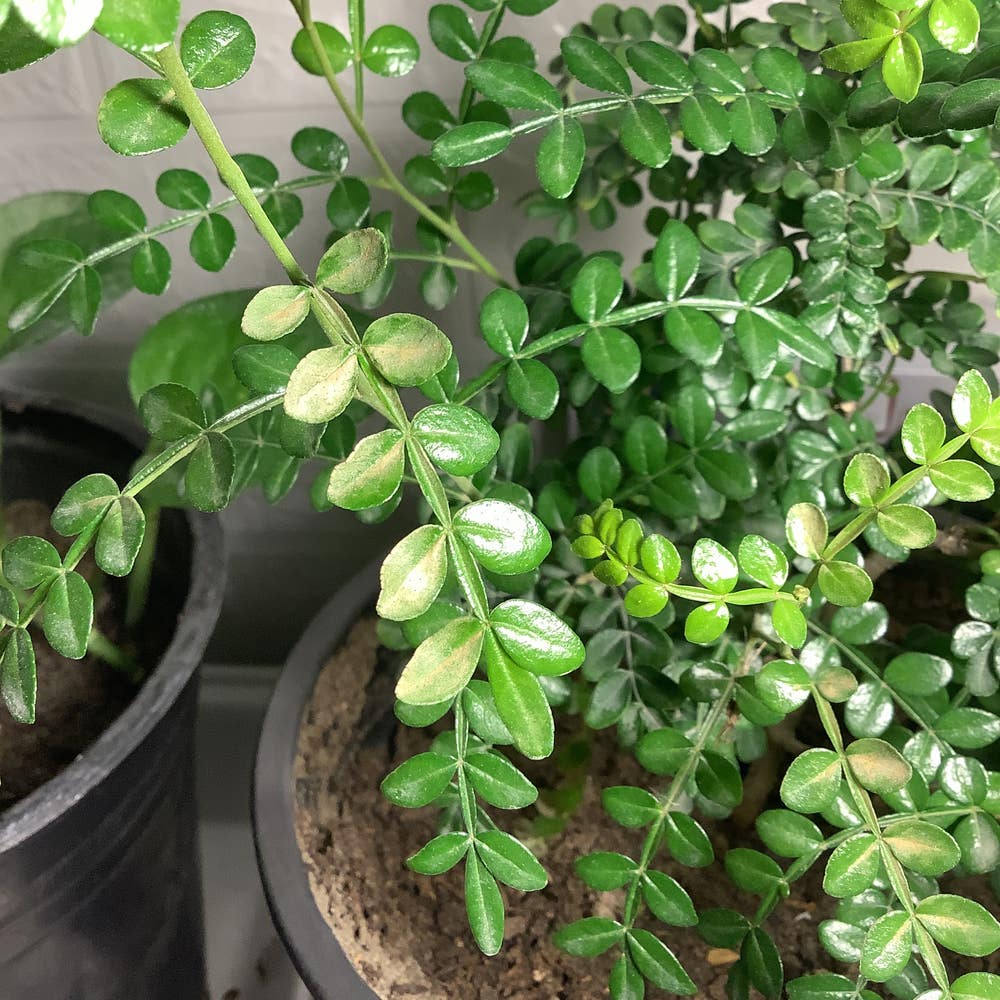
🌳 5 Do's and Don'ts of Growing Zanthoxylum
Zanthoxylum ekmanii
By the Greg Editorial Team
Nov 26, 2024•6 min read
This article was created with the help of AI so we can cover more plants for you. May contain errors. See one? Report it here.
- ☀️ Zanthoxylum needs 6+ hours of sunlight for optimal growth.
- 🌱 Well-drained, loamy soil with pH 6.0-7.5 is essential for health.
- ✂️ Prune in late winter for bushier growth and to remove dead branches.
Site Selection and Soil Preparation
Choosing the Right Location 🌍
When growing Zanthoxylum, selecting the right location is crucial. These plants thrive in full sun to partial shade, so aim for a spot that receives at least six hours of sunlight daily.
Space is another important factor. Zanthoxylum can have thorny branches and a wide growth spread, so ensure you allow enough room for the plant to flourish without crowding other vegetation.
Soil Type and pH Requirements 🌱
The ideal soil for Zanthoxylum is well-drained, loamy soil. This type of soil provides the right balance of moisture retention and drainage, essential for healthy root development.
In terms of pH, aim for a range between 6.0 and 7.5. This slightly acidic to neutral pH level promotes optimal growth and nutrient uptake.
Soil Preparation Techniques 🛠️
Preparing your soil is a vital step for successful Zanthoxylum cultivation. Start by adding organic matter, such as compost, to improve soil fertility and structure.
Additionally, consider drainage solutions to prevent waterlogging. Techniques like raised beds or incorporating sand can enhance drainage, ensuring your plants stay healthy and vibrant.
With the right site selection and soil preparation, you're setting the stage for thriving Zanthoxylum plants. Next, let's explore the best planting techniques to ensure your plants take root successfully.
Planting Techniques
Best Planting Times 🌱
Timing is crucial when planting Zanthoxylum. Aim for spring or early summer to give your plants the best chance for optimal growth.
Step-by-Step Planting Instructions 🛠️
Follow these simple steps to ensure successful planting:
- Prepare the planting holyellowing leavesat is twice the wroot rot depth of the root ball.
- Position the plant: Place tunderwateringhe hole, ensuring the wiltingthleaf dropll is level with the soil surface.
- Backfill and water: Firm the soil around the roZanthoxylumvide thorough watering to eliminatfertilizingts.
Container vs. Outdoor Planting Considerations 🌍
Deciding between container and outdoor planting? Here’s what to consider:
Container Growing
Choose a pot that is large enough to accommodate growth. Use well-draining soil to prevent root rot.
Outdoor PPruning
When planting outdoors, ensure adequate spacing to allow for the thorny branches and growth spread. Consider companion planting to enhance growth and deter pests.
With these planting techniques in mind, you’re well on your way to cultivating healthy Zanthoxylum plants. Next, let’s explore the essential aspects of watering and fertilizing to keep your plants thriving.
Watering and Fertilizing
💧 Watering frequency and techniques
Watering Zanthoxylum requires a thoughtful approach. Aim to water deeply but infrequently, allowing the soil to dry out between sessions to promote healthy root development.
When it comes to techniques, you have options. Drip irrigation is efficient and conserves water, while hand watering allows for a morZanthoxylumtouch, ensuring every plant gets the attention ipestsds.
🌱 Fertilizer types and application methods
Choosing the right fertilizer is cpest managementst growth. Balanced NPK fertilizers are a solid choice, but don't overlook organic options that can enrich the soil naturally.
Timing your applications is just aspruningant. Apply fertilizers in early spring to kickstart growth and again in mid-summer to sustain vigor throughout the growing season.
🚿 Signs of overwatering or underwatering
Recognizing the signs of overwatering can save your plant from distress. Look for yellowing leaves and symptoms of root rot, which indicate too much moisture.
On the flip side, underwatering showspider mitesough wilting, leaf drop, and stunted growth. Keeping an eye on these signs will help you maintain a healthy Zanthoxylum.
As you master the waterineem oilertilizing aspects, you'll be well on your way to nurturing a thriving plant.root rotet's dive into the essential pruning and maintenance overwateringhat will keep your Zanthoxylum healthy and vibrant.
Pruning and Maintenance
Importance of pruning for growth and health 🌱
Pruning is essential for the health and vitality of your Zanthoxylum plants. It encourages bushier growth and helps remove dead or diseased branches, allowing the plant to thrive.
PruninZanthoxylums and timiLeaf dropchieve the best results, use clean, sharp tools when pruning. The ideal time to temperature changesnter or early spring, just before new growth begins.
Best practices
- Always sanitize your tools to prevent disease spread.
- Focus on thinning out crowded branches to improve air circulation.
Specific techniques
Shaping the plant is crucial for maintaining its aesthetic appeal. Regularly remove any branches that cross or rub against each other to promote a healthier structure.
Ongoing care routine 🔍
Monitoring your Zanthoxylum's growth is vital. Regular checks for signPropagationor diseases can help you catch issues early.
Pest control
Implement integrated pest management strategies to keep your plants healthy. This approach combines cultural, biological, and chemical methods to manage pests effectively.
By staying proactive with pruning and maintenance, you can ensure your Zanthoxylum remains robust and productive. Next, let's explore common challenges and solutions that may arise during your gardening journey.pruningmmon Challenges and Solutions
🐛 Identifying and Managing Pests and Diseases
Growing Zanthoxylum can be rewarding, but it comes with its share of challenges. Common pests like aphids, spider mites, and scale insects can wreak havoc on your plants if left unchecked.
To manage these pests, regular monitoring is key. Use insecticidal soap or neem oil as effective treatments to keep infestations at bay.
Fungal infections and root rot are also concerns. Ensure proper drainage and avoid overwatering to prevent these diseases from taking hold.
🌱 Addressing Growth Issues
Stunted growth can be frustrating for any gardener. Nutrient deficiencies or poor soil conditions are often the culprits behind this issue.
To remedy stunted growth, test your soil and amend it with the necessary nutrients. This will help your Zanthoxylum thrive.
Leaf drop is another common issue that signals environmental stress. Factors like sudden temperature changes or inadequate watering can lead to this problem.
Identifying these stressors early allows you to adjust your care routine and promote healthier growth.
🌿 Tips for Successful Harvesting and Propagation
Harvesting Zanthoxylum can be a delightful experience. Timing is crucial; wait until the fruits are fully ripe for the best flavor.
Use sharp shears to carefully cut the fruits or leaves, ensuring you don’t damage the plant. This method encourages further growth and productivity.
Propagation can be achieved through seed collection or cutting methods. For seeds, collect them when they are mature and dry, then plant them in well-drained soil.
Cuttings should be taken from healthy branches and placed in a suitable growing medium. This technique can lead to successful new plants with proper care.
With these strategies in hand, you’re well-equipped to tackle common challenges in growing Zanthoxylum. Next, let’s explore the essential pruning and maintenance practices that will keep your plants healthy and vibrant.
⚠️ Safety First
This content is for general information and may contain errors, omissions, or outdated details. It is not medical, veterinary advice, or an endorsement of therapeutic claims.
Always consult a qualified healthcare professional before using any plant as food, medicine, or supplement.
Never eat any plant (or feed one to pets) without confirming its identity with at least two trusted sources.
If you suspect poisoning, call Poison Control (800) 222-1222, the Pet Poison Helpline (800) 213-6680, or your local emergency service immediately.
Spotted an error? Please report it here.
Grow your Zanthoxylum like a pro 🌱 with Greg's tailored care tips and reminders to ensure it flourishes in your garden!