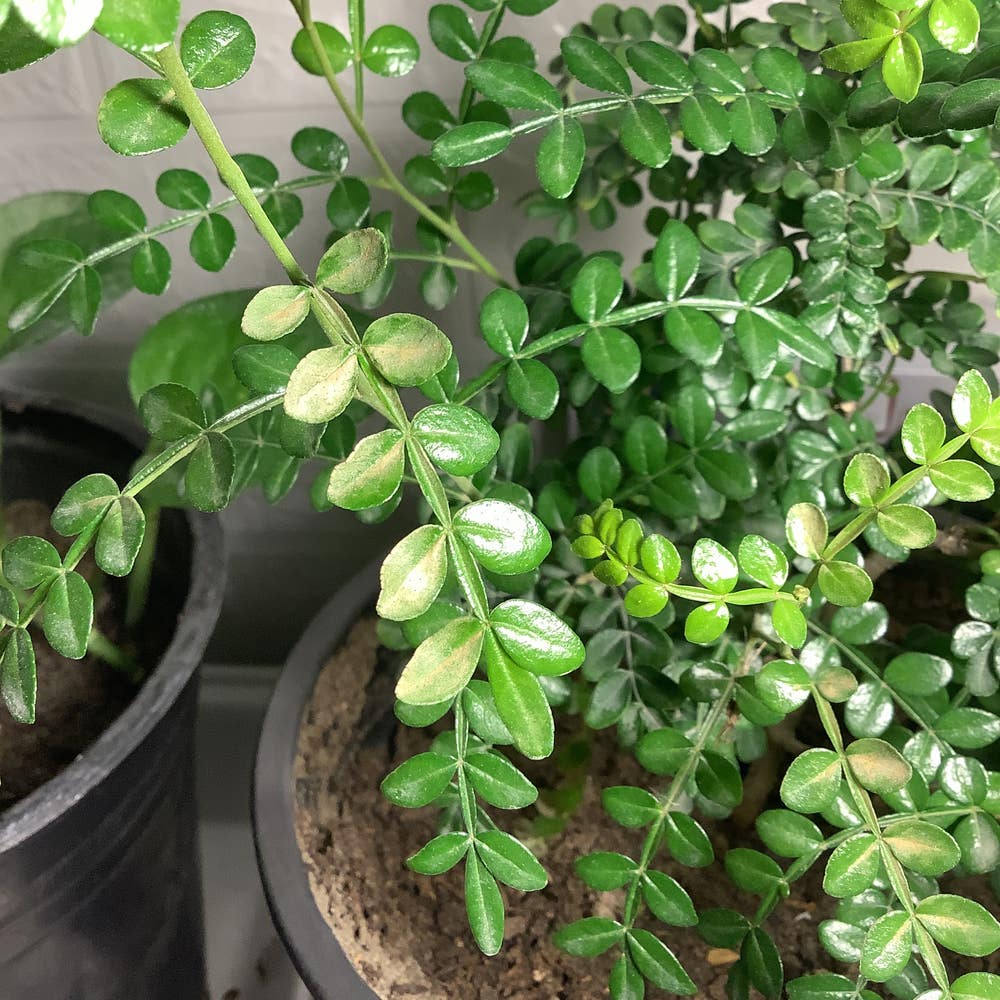
How to Know When to Repot Your Zanthoxylum
Zanthoxylum ekmanii
By the Greg Editorial Team
Nov 26, 2024•3 min read
This article was created with the help of AI so we can cover more plants for you. May contain errors. See one? Report it here.
- 🌱 Optimal soil mix: 50% potting soil, 30% perlite, 20% organic matter for Zanthoxylum.
- 💧 Drainage holes are essential to prevent root rot and waterlogging in pots.
- 🌞 Bright, indirect light aids recovery after repotting; avoid direct sunlight initially.
Soil and Drainage Considerations
Ideal soil mix for Zanthoxylum 🌱
Creating the perfect soil mix for your Zanthoxylum is crucial for its health. A well-draining mix should consist of:
- 50% potting soil
- 30% perlite or coarse sand
- 20% organic matter (like compost)
This combination ensures that your plant has the nutrients it needs while preventing water retention. Aim for a pH level between 6.0 and 7.0, which is slightly acidic to neutral, providing an ideal environment for growth.
Importance of drainage holes in pots 🚪
Drainage holes are a must-have for any pot housing your Zanthoxylum. They prevent waterlogging, which can lead to root rot, a common issue for many plant owners.
These holes allow excess water to escape, helping maintain optimal moisture levels. Without them, your plant's roots could drown, leading to serious health problems.
How to improve drainage for Zanthoxylum 💧
Improving drainage is essential for keeping your Zanthoxylum thriving. Start by adding a layer of gravel or small stones at the bottom of the pot. This acts as a barrier, ensuring that excess water can flow freely away from the roots.
Additionally, incorporate perlite or sand into your soil mix. This enhances aeration, allowing roots to breathe and grow without the risk of becoming waterlogged.
With the right soil and drainage setup, your Zanthoxylum will be well on its way to flourishing. Next, let’s explore how to care for your plant after repotting to ensure it continues to thrive.
Post-Repotting Care for Zanthoxylum
Watering Schedule After Repotting 💧
After repotting your Zanthoxylum, the first step is to thoroughly soak the soil. This initial watering helps settle the soil around the roots.
For follow-up care, check the top inch of soil. Water when it feels dry, typically every 1-2 weeks, to keep your plant healthy and thriving.
Light Requirements Post-Repotting ☀️
Light is crucial for your Zanthoxylum's recovery. Provide bright, indirect light to help the plant acclimate to its new environment.
It's best to avoid direct sunlight for the first few weeks. This precaution reduces stress and allows your plant to adjust comfortably.
With proper watering and light, your Zanthoxylum will bounce back beautifully. Next, let’s explore common challenges and solutions to ensure your plant continues to flourish.
Common Challenges and Solutions
🌱 Addressing root-bound issues in Zanthoxylum
Root-bound plants can be a real headache for any gardener. Look for signs like roots growing out of the pot or stunted growth despite your best care efforts.
To resolve this, consider repotting your Zanthoxylum into a larger container. If the roots are excessively tangled, trimming them back can also help rejuvenate the plant.
💧 Dealing with overwatering or underwatering post-repotting
Overwatering can lead to yellowing leaves and mushy roots, while underwatering often results in wilting and dry soil. Both conditions can stress your plant and hinder its recovery after repotting.
To tackle these issues, adjust your watering frequency based on the moisture levels of the soil. Ensuring proper drainage will also help prevent water accumulation, keeping your Zanthoxylum healthy.
⚠️ Signs of repotting failure and how to rectify
Sometimes, despite our best efforts, repotting can fail. Indicators of this include continued stunted growth or a decline in health, along with persistent yellowing or leaf drop.
If you suspect a repotting failure, reassess the pot size and soil mix. Checking the root health and adjusting your watering practices can often turn things around for your plant.
As you navigate these challenges, remember that each plant is unique. Observing your Zanthoxylum closely will help you tailor your care approach, ensuring it thrives in its new environment.
⚠️ Safety First
This content is for general information and may contain errors, omissions, or outdated details. It is not medical, veterinary advice, or an endorsement of therapeutic claims.
Always consult a qualified healthcare professional before using any plant as food, medicine, or supplement.
Never eat any plant (or feed one to pets) without confirming its identity with at least two trusted sources.
If you suspect poisoning, call Poison Control (800) 222-1222, the Pet Poison Helpline (800) 213-6680, or your local emergency service immediately.
Spotted an error? Please report it here.
Repotting your Zanthoxylum is essential for its growth 🌱, and with Greg's custom care reminders, you'll ensure your plant thrives in its new home!