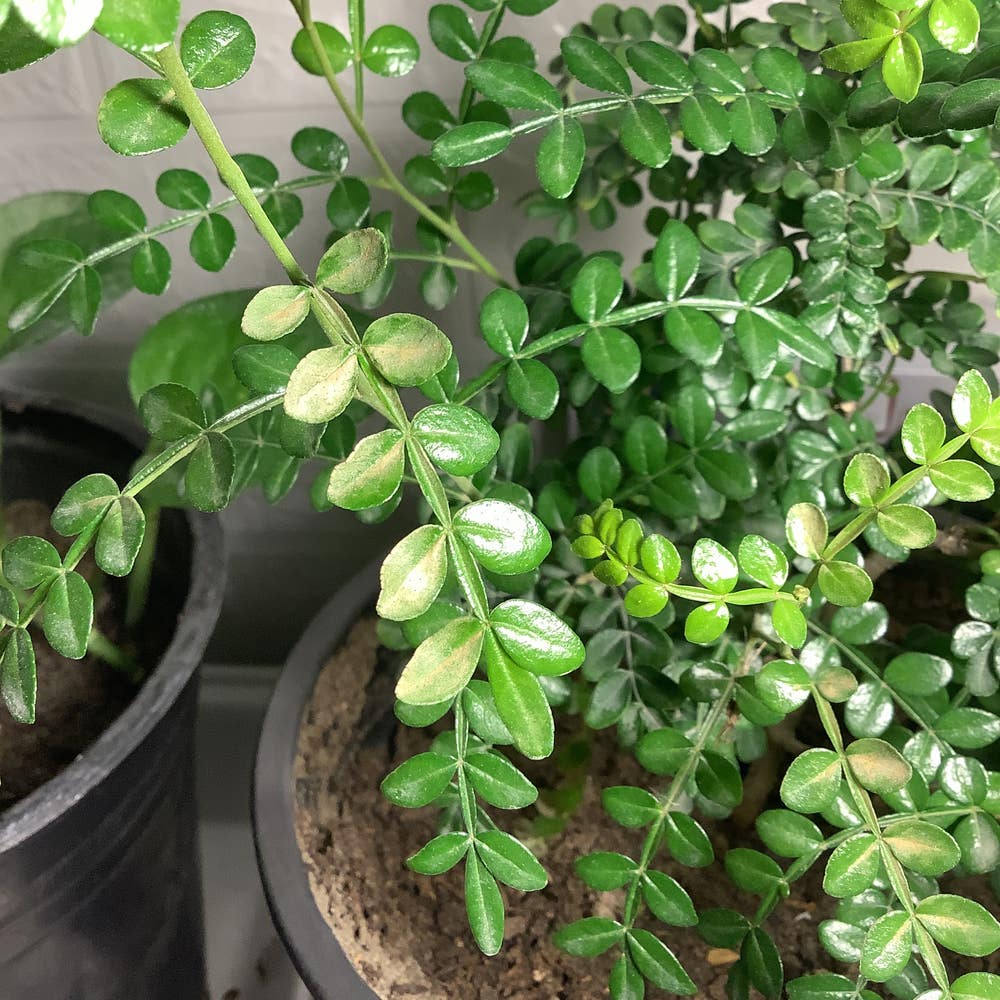
Ultimate Guide to Propagating Zanthoxylum 🌱
Zanthoxylum ekmanii
By the Greg Editorial Team
Nov 26, 2024•6 min read
This article was created with the help of AI so we can cover more plants for you. May contain errors. See one? Report it here.
- 🌱 Start Zanthoxylum propagation with healthy seeds and proper soaking for best results.
- 🌡️ Maintain ideal temperatures (70°F-85°F) and humidity (50-70%) for successful germination.
- ✂️ Use cuttings and air layering techniques to propagate effectively and boost success rates.
Propagating from Seeds
Step-by-step Germination Process 🌱
Starting your Zanthoxylum propagation journey begins with seed selection. Choose healthy, mature seeds from a reputable source to ensure the best chance of success.
Next, pre-soak your seeds in water for 24 hours. This simple step enhances germination and prepares them for planting.
When it’s time to sow, plant the seeds about 1/4 inch deep in well-draining soil. This depth is crucial for optimal growth.
Finally, keep the soil consistently moist but not waterlogged. Overwatering can lead to rot, so find that sweet spot for moisture.
Ideal Conditions for Seed Propagation 🌞
Creating the right environment is key to successful seed propagation. Aim for a temperature range of 70°F to 85°F (21°C to 29°C) to encourage growth.
Light is another important factor. Provide indirect sunlight or partial shade to protect your seeds from harsh rays.
Humidity levels should be moderate, ideally between 50-70%. This balance helps maintain moisture without creating a damp environment.
Timeframe for Seedling Development ⏳
Patience is essential when propagating from seeds. The germination period typically takes 2-4 weeks, depending on conditions.
Once germinated, seedlings will need about 6-8 weeks to grow strong enough for transplanting. Monitor their progress and prepare for the next phase of your gardening adventure.
With these steps in mind, you're well on your way to successfully propagating Zanthoxylum from seeds. Next, let’s explore how to propagate this fascinating plant through cuttings.
Propagating from Cuttings
🌱 Selecting the Right Cuttings
To successfully propagate Zanthoxylum, timing is crucial. The best time to take cuttings is late spring to early summer, when the plant is actively growing.
Aim for cuttings that are 4-6 inches long, taken from healthy, non-flowering stems. This ensures you start with vigorous material that has a higher chance of rooting.
✂️ Preparing Cuttings for Rooting
Preparation is key to successful rooting. Start by removing the lower leaves from the bottom half of the cutting to prevent rot and encourage root growth.
Next, make a clean cut at a 45-degree angle. This increases the surface area for rooting hormone absorption, giving your cuttings a better chance to thrive.
🌿 Rooting Hormone Application
Using rooting hormone can significantly boost your success rate. You can choose between powder or gel forms, both of which are effective.
Simply dip the cut end of your cutting into the hormone. This step helps stimulate root development, making it easier for your cuttings to establish themselves.
🌍 Optimal Environment for Rooting
Creating the right environment is essential for rooting success. Use a propagation tray or small pots with drainage holes to ensure proper water management.
Fill your containers with a sterile, well-draining potting mix. This prevents disease and promotes healthy root growth.
Maintain high humidity levels between 70-80% and keep temperatures around 75°F (24°C). These conditions mimic the plant's natural habitat, encouraging robust root formation.
With these steps, you’ll be well on your way to successfully propagating Zanthoxylum from cuttings. Next, let’s explore the technique of layering, another effective propagation method.
Propagating through Layering
🌱 Techniques for Air Layering
Air layering is a fantastic method for propagating Zanthoxylum. Start by selecting a healthy, flexible branch that can support new growth.
Next, girdle the stem by removing a ring of bark about 1 inch wide. This step is crucial as it encourages root development. After girdling, wrap the exposed area with moist sphagnum moss, ensuring it covers the entire girdled section. Finally, secure the moss with plastic wrap to maintain moisture.
⏰ Timing and Conditions for Successful Layering
The best time to attempt air layering is during late spring to early summer. These warmer months provide the ideal conditions for root growth.
Ensure that the environmental conditions are right: warm temperatures and high humidity are essential for success. This combination helps the plant focus energy on developing roots.
🌿 Aftercare for Layered Plants
Once you've set up your air layering, monitoring is key. Regularly check the moisture levels in the moss to ensure it remains damp but not soggy.
Timing for separation is also important. Wait until you see roots visibly growing through the moss, which typically takes about 4 to 6 weeks. Once rooted, you can carefully cut the new plant from the parent and pot it up for continued growth.
With these steps, you can successfully propagate Zanthoxylum through layering, adding to your garden's diversity. Next, let’s explore the process of propagating by root division, another effective method for expanding your Zanthoxylum collection.
Propagating by Root Division
🌱 Identifying Suitable Plants for Division
Root division is a fantastic way to propagate Zanthoxylum, especially from mature plants. Look for those with multiple stems or clumps, as they are the best candidates for this method.
Timing is crucial; aim for early spring or fall when the plant is dormant. This ensures less stress on the plant and a higher chance of successful propagation.
✂️ Step-by-step Division Process
To start, carefully excavate the root ball from the soil. Take your time to avoid damaging the roots.
Next, use a sharp, sterile knife to divide the root ball into sections. Each division should have at least one healthy shoot and root to thrive.
🌿 Post-division Care and Maintenance
Once divided, replant the sections in well-draining soil and water them thoroughly. This helps settle the soil around the roots.
Keep the soil moist and provide partial shade until the new plants are established. This nurturing phase is essential for their growth and development.
With these steps, you'll be well on your way to successfully propagating Zanthoxylum through root division. Now, let's explore some common challenges you might face during propagation and how to overcome them.
Challenges in Propagation
🌱 Common Issues and Solutions
Propagation can be a rewarding yet challenging endeavor. Understanding common issues can help you navigate the process more smoothly.
Pests and Diseases Affecting Propagation
Pests like aphids and spider mites can wreak havoc on your plants. To combat these nuisances, use insecticidal soap and ensure proper drainage to prevent root rot.
Environmental Factors Impacting Success
Temperature fluctuations can disrupt the delicate balance needed for successful propagation. Maintain stable conditions and consider using humidity domes or misting to keep moisture levels consistent.
Troubleshooting Low Germination Rates
Low germination rates can be frustrating. Common causes include poor seed quality, incorrect planting depth, or inadequate moisture, so adjust your conditions and re-evaluate your seed source if needed.
🌟 Tips for Increasing Propagation Success
Implementing best practices can significantly enhance your propagation efforts.
Best Practices for Each Method
Timing is crucial; follow seasonal guidelines for each propagation method to optimize success. Regularly check moisture and environmental conditions to ensure your plants thrive.
Recommended Tools and Materials
Having the right tools makes a difference. Essential items include sharp pruners, propagation trays, and rooting hormone, along with a sterile, well-draining potting mix for all methods.
Seasonal Considerations for Propagation
Spring is the perfect time for cuttings and root division, while fall is ideal for seed sowing and layering techniques. Aligning your propagation efforts with the seasons can lead to better outcomes.
By addressing these challenges and following these tips, you can enhance your propagation success and enjoy the journey of growing Zanthoxylum. Next, we’ll explore the various methods of propagating this fascinating plant in more detail.
⚠️ Safety First
This content is for general information and may contain errors, omissions, or outdated details. It is not medical, veterinary advice, or an endorsement of therapeutic claims.
Always consult a qualified healthcare professional before using any plant as food, medicine, or supplement.
Never eat any plant (or feed one to pets) without confirming its identity with at least two trusted sources.
If you suspect poisoning, call Poison Control (800) 222-1222, the Pet Poison Helpline (800) 213-6680, or your local emergency service immediately.
Spotted an error? Please report it here.
Propagating Zanthoxylum can be a breeze 🌿 with Greg's tailored care reminders and expert tips, ensuring your seeds sprout into thriving plants in no time!