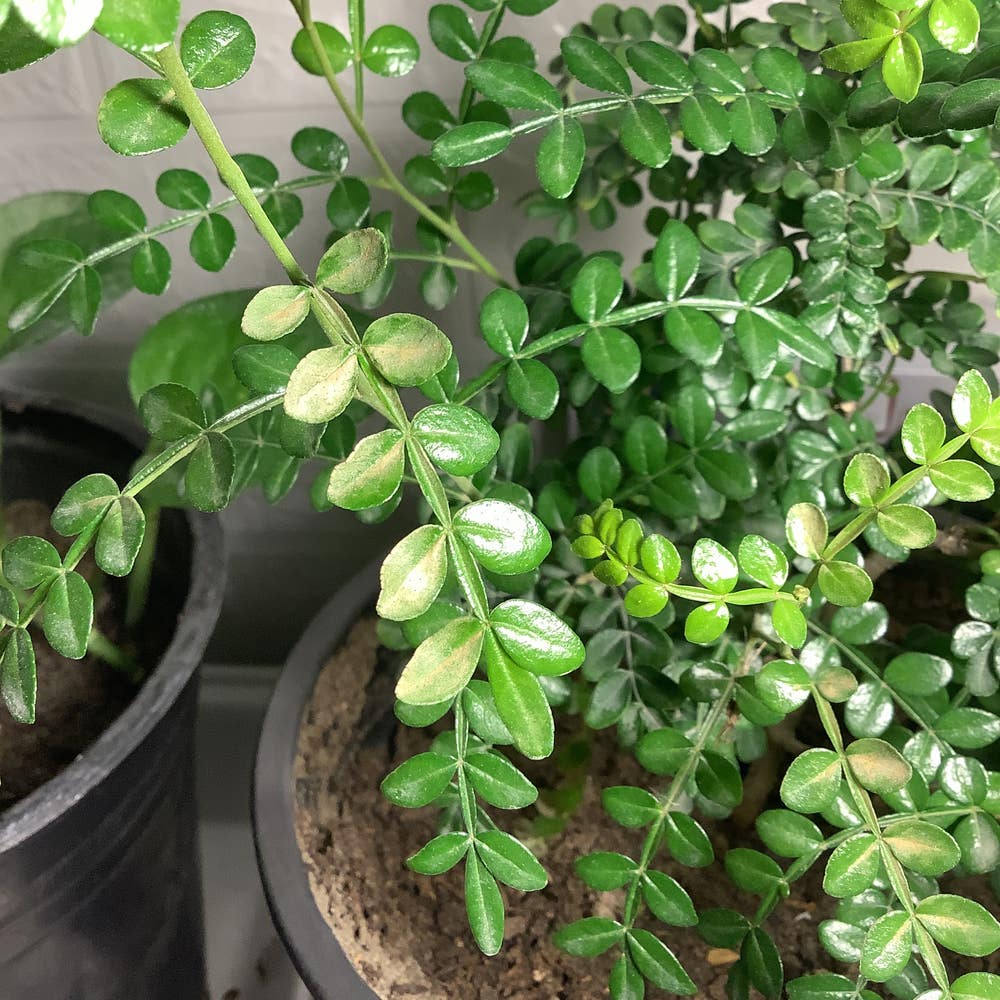
🌳 Zanthoxylum Is a Perennial
Zanthoxylum ekmanii
By the Greg Editorial Team
Nov 26, 2024•5 min read
This article was created with the help of AI so we can cover more plants for you. May contain errors. See one? Report it here.
- 🌱 Zanthoxylum thrives for decades, with a lifecycle of growth, flowering, and dormancy.
- 🌍 Strong roots enhance drought resistance and prevent soil erosion, making it cost-effective.
- 🌸 Spring flowering is crucial for seed production, responding to seasonal temperature changes.
Key Characteristics of Zanthoxylum
🌱 Multi-Year Lifecycle
Zanthoxylum is a perennial plant, meaning it thrives over multiple years. Its lifecycle includes distinct phases: germination, vegetative growth, flowering, and dormancy.
During germination, seeds sprout and establish roots. As the plant enters vegetative growth, it develops leaves and stems, preparing for the flowering phase, which typically occurs in favorable conditions. After flowering, Zanthoxylum enters dormancy, a crucial period for conserving energy.
📈 Growth Patterns and Root System
Zanthoxylum can reach impressive heights, often spreading wide as it matures. Its spiny branches and aromatic leaves not only add visual interest but also serve as a defense mechanism against herbivores.
The root system of Zanthoxylum is robust and well-established, allowing it to support regrowth each year. This adaptability enables the plant to thrive in various soil types and conditions, making it a versatile choice for gardeners.
🌳 Ability to Regrow from Roots
One of the remarkable features of Zanthoxylum is its ability to regrow from its roots annually. This regeneration relies heavily on the health of the root system, which stores nutrients and energy.
Healthy roots are essential for sustained growth, ensuring that the plant can bounce back each season. This resilience is a key reason why Zanthoxylum is favored in many gardens, providing both beauty and longevity.
As we explore the growth and lifespan implications of Zanthoxylum, we’ll uncover how its perennial nature influences flowering and overall vitality.
Growth and Lifespan Implications
🌸 Effects of Perennial Nature on Growth and Flowering
Zanthoxylum's perennial nature significantly influences its growth and flowering patterns. Typically, flowering occurs in response to seasonal changes, with blooms appearing in spring as temperatures rise.
Pollination is crucial during this time, as it leads to seed production. The timing of these events ensures that Zanthoxylum can thrive and reproduce effectively, taking full advantage of the growing season.
⏳ Expected Lifespan of Zanthoxylum
In optimal conditions, Zanthoxylum can enjoy a long lifespan, often exceeding several decades. However, this lifespan can vary based on care practices and environmental factors.
Proper maintenance, including adequate watering and nutrient supply, can extend its life significantly. Conversely, neglect can lead to a shorter lifespan, underscoring the importance of attentive gardening.
🔑 Factors Influencing Longevity
Several factors play a vital role in determining the longevity of Zanthoxylum. Soil quality and nutrient availability are paramount; rich, well-draining soil promotes healthy growth.
Watering practices also matter; consistent moisture without overwatering supports robust development. Additionally, climate conditions, including temperature and humidity, can impact overall health.
Pest and disease management is equally important. Regular monitoring and prompt action can prevent infestations that threaten the plant's longevity.
Understanding these factors helps gardeners create the ideal environment for Zanthoxylum, ensuring it flourishes for years to come. With the right care, this resilient plant can be a lasting addition to any garden.
As we explore the dormancy and seasonal changes of Zanthoxylum, we’ll uncover how these cycles further enhance its growth and resilience.
Dormancy and Seasonal Changes
🌱 Description of Dormancy Periods
Zanthoxylum experiences dormancy primarily during the colder months. This period typically aligns with winter, when the plant conserves energy and resources.
Physiologically, Zanthoxylum undergoes significant changes during dormancy. It reduces metabolic activity, allowing it to survive harsh conditions while preparing for the next growth cycle.
🌼 Seasonal Changes in Zanthoxylum
Spring marks a vibrant awakening for Zanthoxylum. New growth emerges, and flowering begins, bringing a burst of life to the garden.
In summer, the plant enters an active growth phase. This is when Zanthoxylum thrives, showcasing its lush foliage and robust structure.
As fall approaches, Zanthoxylum prepares for dormancy. The plant begins to slow down, shedding leaves and redirecting energy to its roots.
Finally, winter brings a period of rest. During this time, Zanthoxylum remains dormant, conserving resources until the cycle begins anew.
Understanding these seasonal changes is crucial for gardeners. It helps in planning care routines and maximizing the plant's potential throughout the year.
Advantages for Gardeners
Benefits of Reduced Replanting 🌱
One of the standout advantages of cultivating Zanthoxylum is the significant cost-effectiveness it offers. With its perennial nature, you won't need to replant annually, saving you both money and effort.
This not only lightens your gardening budget but also frees up valuable time for other gardening tasks. Imagine the convenience of watching your Zanthoxylum thrive year after year without the hassle of starting from scratch.
Importance of Established Root Systems 🌳
Zanthoxylum's robust root systems play a crucial role in its resilience. These established roots enhance drought resistance, allowing the plant to survive in less-than-ideal watering conditions.
Moreover, a strong root system improves nutrient uptake, ensuring your Zanthoxylum gets the essential elements it needs to flourish. This stability also contributes to soil stabilization, making it a great choice for preventing erosion in your garden.
Incorporating Zanthoxylum into your landscape not only simplifies maintenance but also enriches your garden's health. As you plan your garden, consider how these advantages can lead to a thriving, low-maintenance environment.
Next, let's explore the variations in Zanthoxylum's behavior across different climate zones.
Variations Across Climate Zones
Differences in Perennial Behavior in Various Climates 🌍
Zanthoxylum exhibits remarkable adaptability to different climate conditions. In warmer regions, it thrives with increased growth rates, while cooler climates may slow its development.
Moisture levels also play a crucial role in its behavior. In areas with high humidity, Zanthoxylum can flourish, but in arid conditions, it may enter dormancy earlier to conserve resources.
Tips for Maximizing Benefits in Garden Planning 🌱
Selecting the right planting location is essential for Zanthoxylum's success. Consider your local climate and choose a spot that offers the best conditions for growth.
Planning for seasonal changes is equally important. Understanding when your Zanthoxylum will enter dormancy helps you prepare for its rest period and ensures it remains healthy.
Utilize Zanthoxylum's unique characteristics in your landscape design. Its spiny branches and aromatic leaves can add texture and interest to your garden throughout the year.
By considering these factors, you can maximize the benefits of Zanthoxylum in your garden, ensuring a vibrant and resilient landscape.
⚠️ Safety First
This content is for general information and may contain errors, omissions, or outdated details. It is not medical, veterinary advice, or an endorsement of therapeutic claims.
Always consult a qualified healthcare professional before using any plant as food, medicine, or supplement.
Never eat any plant (or feed one to pets) without confirming its identity with at least two trusted sources.
If you suspect poisoning, call Poison Control (800) 222-1222, the Pet Poison Helpline (800) 213-6680, or your local emergency service immediately.
Spotted an error? Please report it here.
Zanthoxylum is a resilient perennial 🌱 that thrives through various lifecycle phases, and with Greg's tailored care reminders, you can help your plant flourish beautifully each season!