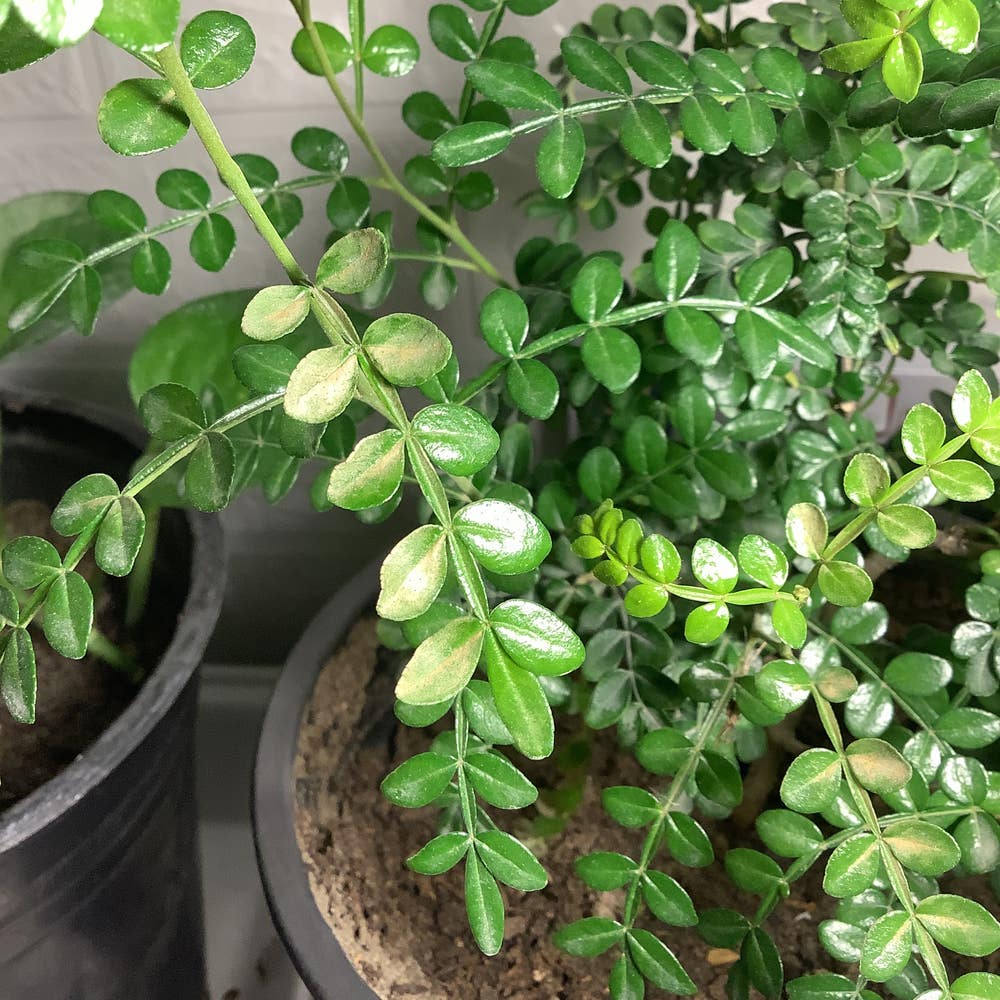
Best Tips for Healthy Zanthoxylum Roots 🥕
Zanthoxylum ekmanii
By the Greg Editorial Team
Nov 26, 2024•5 min read
This article was created with the help of AI so we can cover more plants for you. May contain errors. See one? Report it here.
- 🌱 Zanthoxylum roots include taproots for depth and fibrous roots for stability.
- 💧 Water deeply but infrequently to support Zanthoxylum's deep root systems.
- 🌿 Healthy roots are crucial for growth; monitor for signs of rot or binding.
Characteristics of Root System
🌱 Type of Root System
Zanthoxylum plants exhibit two primary types of root systems: taproots and fibrous roots.
Taproot Characteristics
The taproot provides deep anchorage, stabilizing the plant in various soil conditions. This deep root also excels at nutrient absorption, efficiently reaching nutrients from deeper soil layers.
Fibrous Roots
In contrast, fibrous roots spread widely, enhancing the plant's stability and access to water. These roots are resilient, enabling the plant to withstand drought and other stress factors.
📏 Root Depth and Spread
Understanding the typical root depth and spread is crucial for healthy Zanthoxylum growth.
Typical Root Depth
The roots generally reach depths of 2-3 feet, depending on the soil conditions.
Root Spread
Horizontally, the roots can extend up to 4-6 feet, which is essential for stability and resource access.
Growth Patterns
During the early growth stages, Zanthoxylum roots exhibit rapid growth, establishing a strong foundation for the plant. This robust root system is vital for overall plant health and resilience.
With a solid grasp of the root system's characteristics, you can better appreciate the importance of proper care and maintenance for Zanthoxylum plants. Next, we will explore the best practices for watering, fertilizing, and transplanting these resilient plants.
Watering, Fertilizing, and Transplanting
Watering Needs 🌊
Watering Zanthoxylum roots requires a thoughtful approach. Deep roots mean they need less frequent watering, but when you do, ensure it's a thorough soaking.
Well-draining soil is crucial to prevent root rot. This balance keeps your plant healthy and thriving.
Fertilization Techniques 🌱
To promote robust root health, opt for balanced NPK fertilizers. These provide essential nutrients that support growth.
Apply fertilizers every 4-6 weeks during the growing season. For those leaning towards organic options, compost and well-rotted manure are excellent choices to enrich the soil.
Transplanting Techniques 🌍
Timing is everything when it comes to transplanting. Aim for early spring or fall for the best results.
Before transplanting, water the plant thoroughly to minimize shock. When digging the new hole, make sure it’s twice the width of the root ball to give those roots plenty of room to spread.
With these watering, fertilizing, and transplanting techniques, you’ll set your Zanthoxylum up for success. Next, let’s explore common root issues and how to tackle them effectively.
Common Root Issues
Identifying Problems 🌱
Root health is crucial for the overall vitality of Zanthoxylum plants. One of the most common issues is root rot, which manifests through wilting, yellowing leaves, and a foul smell from the soil.
Nutrient deficiencies can also pose a significant threat. Symptoms include stunted growth and discolored leaves, signaling that your plant isn't getting the nourishment it needs.
Solutions for Issues 🛠️
Preventing these problems starts with proper soil management. Ensure you have well-draining soil to avoid water accumulation and overwatering, which can lead to root rot.
If you do encounter issues, act quickly. Remove any affected roots and repot the plant in fresh soil that promotes better drainage. This proactive approach can help restore your plant's health and vitality.
By staying vigilant and addressing these common root issues, you can ensure your Zanthoxylum thrives. Next, let’s explore how to recognize and address rootbound conditions, which can also hinder your plant’s growth.
Root Health Indicators
👀 Visual Cues of Healthy Roots
Healthy roots are a gardener's pride. Look for firm, white roots that show no signs of decay.
These roots should fill the pot adequately, indicating they have room to grow without being tightly bound. This fullness is a good sign of vitality.
🚨 Signs of Unhealthy Roots
On the flip side, unhealthy roots can spell trouble. Indicators include dark, mushy roots or foul odors emanating from the soil.
If you notice these signs, it's time to take action. Trim away the damaged roots and repot the plant in fresh, well-draining soil to give it a fighting chance.
By keeping an eye on these root health indicators, you can ensure your Zanthoxylum thrives. This proactive approach will lead to a more robust plant, setting the stage for successful growth and propagation.
Recognizing and Addressing Rootbound Conditions
📏 Definition and Recognition
A rootbound condition occurs when roots grow in circles around the pot, which can severely restrict plant growth. You might notice signs such as roots emerging from drainage holes or the potting soil drying out more quickly than usual.
🛠️ Solutions for Rootbound Issues
To tackle rootbound conditions, check for them during repotting. If you find your plant is rootbound, consider repotting it into a larger container or pruning the roots to encourage new growth.
Addressing these issues promptly can help your Zanthoxylum thrive, ensuring it has the space it needs to develop a robust root system. This proactive approach not only enhances plant health but also contributes to its overall vitality.
By understanding and managing rootbound conditions, you set the stage for successful growth and propagation. Next, we’ll explore the importance of root health in propagation techniques.
Importance of Root Health in Propagation
Techniques for Effective Propagation 🌱
Healthy roots are the backbone of successful plant propagation. Without a robust root system, your efforts can easily fall flat, leading to stunted growth or even plant failure.
One effective method for propagation is using cuttings. This technique involves taking a healthy section of the plant and encouraging it to develop roots. Ensure that the cutting has at least a few nodes, as these are crucial for root development.
Another approach is division, where you separate a mature plant into smaller sections. This not only promotes new growth but also helps maintain the overall health of the parent plant.
Regardless of the method you choose, always prioritize the health of the roots. Strong roots will anchor the plant and provide the necessary nutrients for thriving growth.
In summary, understanding and nurturing root health is essential for effective propagation. By employing techniques like cuttings and division, you can ensure that your plants have the best chance of establishing themselves successfully.
As we move forward, let’s explore how to recognize and address rootbound conditions, which can significantly impact your propagation efforts.
⚠️ Safety First
This content is for general information and may contain errors, omissions, or outdated details. It is not medical, veterinary advice, or an endorsement of therapeutic claims.
Always consult a qualified healthcare professional before using any plant as food, medicine, or supplement.
Never eat any plant (or feed one to pets) without confirming its identity with at least two trusted sources.
If you suspect poisoning, call Poison Control (800) 222-1222, the Pet Poison Helpline (800) 213-6680, or your local emergency service immediately.
Spotted an error? Please report it here.
Cultivating strong roots 🌱 is essential for your Zanthoxylum's success, and with Greg's tailored watering reminders and expert tips, you'll nurture a thriving plant in no time!