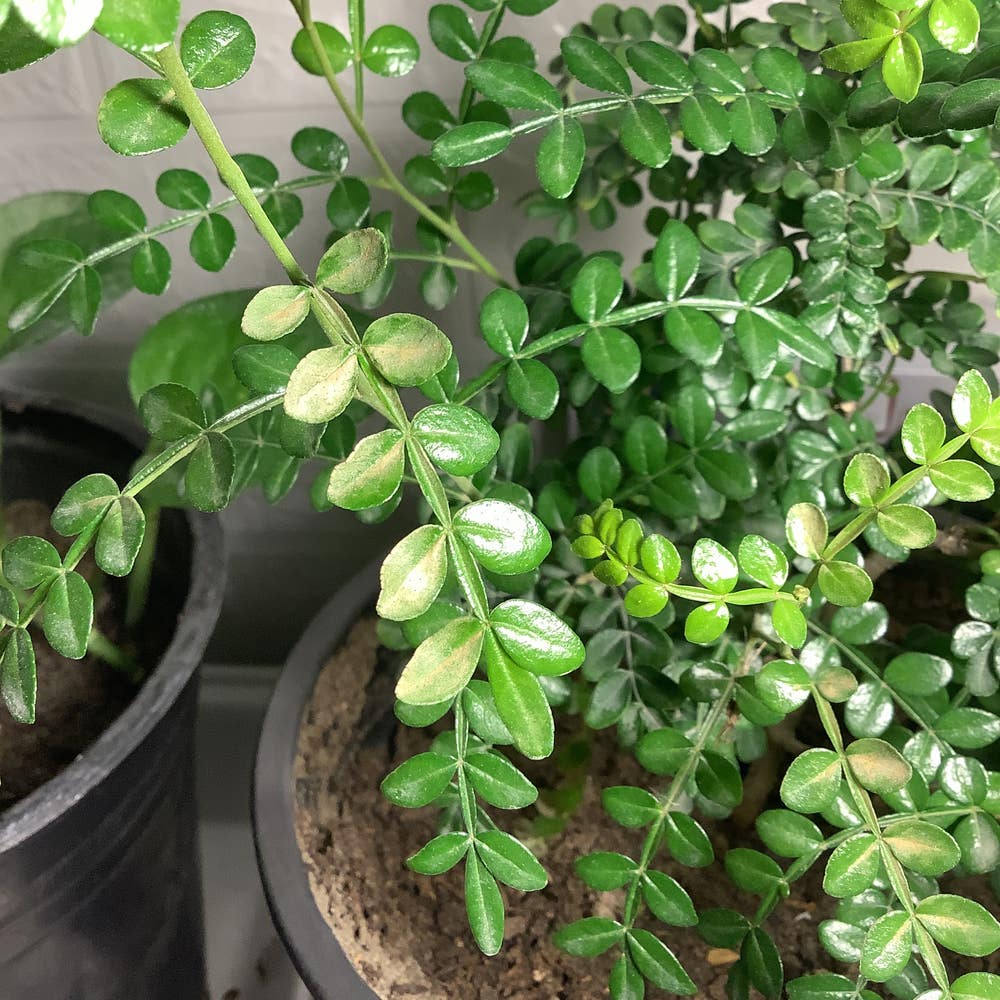
5 Tips for How to Plant Your Zanthoxylum ⛏️
Zanthoxylum ekmanii
By the Greg Editorial Team
Nov 26, 2024•4 min read
This article was created with the help of AI so we can cover more plants for you. May contain errors. See one? Report it here.
- 🌱 Best planting times for Zanthoxylum are spring or early fall for optimal growth.
- 🌞 Zanthoxylum needs 6-8 hours of sunlight daily; ensure proper spacing of 3-5 feet.
- 💧 Avoid overwatering; maintain regular moisture to prevent waterlogging and promote healthy growth.
Planting vs. Transplanting Zanthoxylum
🌱 Key Considerations for Planting
When it comes to planting Zanthoxylum, timing is everything. The best seasons for planting are spring or early fall, as these periods provide the ideal conditions for growth.
🏺 Selecting the Right Soil Mix and Containers
Choosing the right soil mix is crucial for your Zanthoxylum's success. Aim for sandy or loamy soil with excellent drainage, and ensure the pH level is between 6.0 and 7.5 for optimal health.
📏 Proper Depth and Spacing for Planting
Depth and spacing are key factors in establishing a healthy plant. Plant your Zanthoxylum at a depth of 2-3 times the size of the root ball, and space them 3-5 feet apart to allow for optimal growth.
☀️ Maintaining Ideal Growing Conditions
Creating the right environment is essential for your Zanthoxylum. They thrive in full sun to partial shade, requiring 6-8 hours of sunlight daily, along with regular moisture—just be careful not to waterlog them. Light feeding with a balanced fertilizer during the growing season will also support their growth.
🌳 Hardening Off Process
Don't forget about the hardening off process! This acclimatization is vital for young plants, allowing them to gradually adjust to outdoor conditions over a span of 7-10 days. This step can make a significant difference in their survival and growth.
With these key considerations in mind, you're well on your way to successfully planting Zanthoxylum. Next, let’s explore the steps for transplanting established plants to ensure they thrive in their new locations.
Transplanting Established Zanthoxylum
🌱 Optimal Timing for Transplanting
Transplanting Zanthoxylum is best done in early spring or late fall. These seasons provide cooler temperatures and more stable conditions, helping the plant adjust with less stress.
📝 Step-by-Step Instructions for Transplanting
1. Assessing the Current Location
Before you start, check the root health and soil condition. Healthy roots are crucial for a successful transplant.
2. Preparing the New Planting Site
Dig a hole that is twice the width of the root ball. This gives the roots ample space to spread out in their new home.
3. Removing the Plant
Carefully lift the plant from its current location. Minimizing root disturbance is key to helping it thrive after the move.
4. Positioning in the New Site
Place the plant in the new hole, ensuring the root crown is level with the soil surface. This positioning helps prevent water from pooling around the base.
📏 Space Requirements for Established Plants
When transplanting, ensure a minimum spacing of 5-10 feet apart, depending on the variety. Consider the mature size and root spread to avoid overcrowding.
💧 Post-Transplant Care
Immediately after transplanting, give your Zanthoxylum a deep watering. Adding 2-3 inches of organic mulch helps retain moisture and regulate soil temperature.
If necessary, stake the plant for stability, especially in windy conditions. This extra support can make a big difference as the plant establishes itself.
Transplanting can be a rewarding process, setting your Zanthoxylum up for success in its new environment. Next, we’ll explore the benefits and drawbacks of planting new versus established plants.
Benefits and Drawbacks
🌱 Comparing planting new vs. transplanting established plants
When deciding between planting new Zanthoxylum seeds or transplanting established plants, cost is a significant factor. Seeds are generally cheaper upfront, but established plants can save you time and effort in the long run.
⏳ Time to maturity
The growth timeline varies greatly between these two options. New seeds can take longer to mature, while established plants often yield quicker results, allowing you to enjoy their benefits sooner.
🌍 Adaptability to local growing conditions
Zanthoxylum is known for its resilience across various climates. However, newly planted seeds require more specific care during their establishment phase compared to established plants, which may adapt more readily to local conditions.
In summary, both planting new seeds and transplanting established plants have their unique advantages and challenges. Understanding these factors can help you make an informed decision that aligns with your gardening goals.
Next, let's explore troubleshooting common issues that may arise during the planting and transplanting processes.
Troubleshooting Common Issues
🌱 Understanding Transplant Shock
Transplant shock can be a significant hurdle for your Zanthoxylum. Symptoms to watch for include wilting, yellowing leaves, and stunted growth, which often arise from root disturbance or sudden environmental changes.
🛠️ Establishment Problems and Solutions
Newly planted Zanthoxylum may face issues like poor drainage or inadequate sunlight. To combat these problems, adjust your care practices by ensuring proper soil conditions and adequate light exposure.
🌟 Tips for Successful Recovery
Monitoring your plant's water needs is crucial, especially during fluctuating weather conditions. Be patient and observant; recovery takes time, but with the right care, your Zanthoxylum will thrive again.
As you troubleshoot these common issues, remember that nurturing your plants is a journey. With each challenge, you gain valuable insights that will enhance your gardening skills and deepen your connection to your Zanthoxylum.
⚠️ Safety First
This content is for general information and may contain errors, omissions, or outdated details. It is not medical, veterinary advice, or an endorsement of therapeutic claims.
Always consult a qualified healthcare professional before using any plant as food, medicine, or supplement.
Never eat any plant (or feed one to pets) without confirming its identity with at least two trusted sources.
If you suspect poisoning, call Poison Control (800) 222-1222, the Pet Poison Helpline (800) 213-6680, or your local emergency service immediately.
Spotted an error? Please report it here.
Plant your Zanthoxylum with confidence 🌿 by using Greg's tailored care reminders to ensure your plants thrive and overcome any challenges along the way!