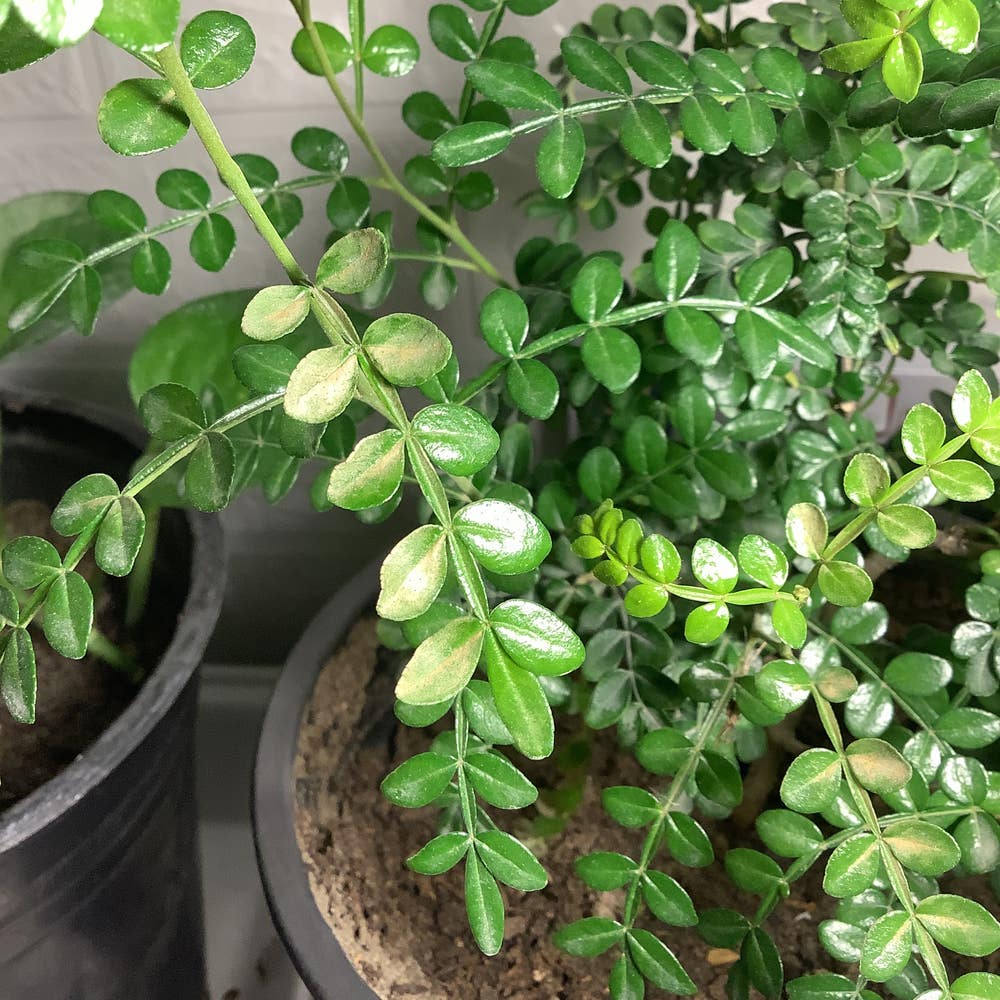
5 Perfect Spots to Plant Your Zanthoxylum 🧑🌾
Zanthoxylum ekmanii
By the Greg Editorial Team
Nov 26, 2024•5 min read
This article was created with the help of AI so we can cover more plants for you. May contain errors. See one? Report it here.
- ☀️ Zanthoxylum thrives in full sun or partial shade; choose the right spot!
- 🌱 Well-drained sandy or loamy soil is essential for healthy Zanthoxylum growth.
- 🌬️ Wind protection and proper drainage are crucial for preventing damage and root rot.
Sunlight Exposure Requirements
Light Preferences 🌞
When it comes to planting Zanthoxylum, understanding light preferences is crucial. Some species thrive in full sun, while others prefer partial shade, so it's essential to identify which type you have.
For full sun varieties, aim for 6-8 hours of direct sunlight each day. This duration is vital for robust growth and vibrant foliage.
Signs of Inadequate Light 🚨
If your Zanthoxylum isn't getting enough light, you'll notice some telltale signs. Look out for stunted growth, a leggy appearance, and reduced flowering—these are clear indicators that your plant is struggling.
By ensuring your Zanthoxylum receives the right amount of sunlight, you set the stage for a healthy and thriving plant. Next, let’s explore the ideal soil conditions that will further enhance its growth.
Soil Type Preferences
Ideal Conditions 🌱
For your Zanthoxylum to thrive, focus on well-drained sandy or loamy soils. These soil types provide the perfect balance of drainage and moisture retention, essential for healthy root development.
Soil pH Range ⚖️
Aim for a soil pH between 6.0 and 7.5. This range ensures that your plant can absorb nutrients effectively, promoting robust growth and vibrant foliage.
Techniques for Improving Soil 🛠️
To enhance your soil's quality, consider incorporating organic matter. Adding compost or well-rotted manure can significantly improve drainage and fertility, creating a nurturing environment for your Zanthoxylum.
Practical Tips 📋
- Test Your Soil: Use a pH testing kit to determine your soil's acidity. Adjust as needed with lime to raise pH or sulfur to lower it.
- Regular Amendments: Make it a habit to amend your soil annually. This keeps it rich and ready for your plants.
By ensuring the right soil conditions, you set the stage for your Zanthoxylum to flourish. Next, let’s explore how to strategically place your plants for optimal growth and health.
Proximity to Other Plants and Structures
🌍 Strategic Placement
Choosing the right location for your Zanthoxylum can significantly impact its growth and health. Companion planting is a fantastic strategy that enhances growth and boosts pest resistance, creating a thriving ecosystem in your garden.
🌱 Companion Planting Benefits
When you plant Zanthoxylum alongside compatible species, you can improve nutrient uptake and deter pests. For example, pairing it with herbs like basil or marigold can naturally repel harmful insects, allowing your Zanthoxylum to flourish.
📏 Spacing Considerations
Proper spacing is crucial to avoid nutrient competition. Aim for a minimum distance of 3 to 5 feet between your Zanthoxylum and other plants to ensure each has enough room to grow without competing for resources.
🏢 Impact of Nearby Structures
Nearby structures can influence your Zanthoxylum's growth in various ways. Assess how buildings or fences might cast shade or act as windbreaks, as these factors can affect sunlight exposure and airflow around your plants.
🌬️ Assessing Shade and Windbreak Effects
Consider the orientation of your garden when placing Zanthoxylum. Structures that provide shade during the hottest parts of the day can protect your plants from stress, while those that block harsh winds can prevent damage to foliage and fruit.
By carefully considering the proximity of your Zanthoxylum to other plants and structures, you can create a harmonious garden environment. Next, let’s explore how to assess microclimates and ensure your Zanthoxylum thrives in its local conditions.
Assessing Microclimates and Wind Protection
🌤️ Local Conditions
Understanding microclimates is crucial for the successful growth of Zanthoxylum. These localized climate variations can significantly impact how your plants thrive.
🕵️♂️ Identifying Microclimates
Microclimates can be influenced by various factors, including sun exposure, wind patterns, and moisture levels. For instance, areas that receive full sun will be warmer and drier, while shaded spots may retain more moisture but could hinder growth.
⚖️ Factors Influencing Microclimates
- Sun Exposure: The amount of sunlight your Zanthoxylum receives directly affects its growth rate and health.
- Wind Patterns: Wind can dry out plants and cause physical damage. Understanding prevailing winds helps in positioning your plants effectively.
- Moisture Levels: Areas with higher moisture can promote growth, but too much can lead to root rot.
🌬️ Importance of Wind Protection
Wind protection is vital for preventing damage to both foliage and fruit. Strong winds can break branches and strip leaves, which can stunt growth and reduce yields.
🛡️ Strategies for Wind Protection
To shield your Zanthoxylum from harsh winds, consider planting windbreaks such as shrubs or trees nearby. Additionally, positioning your plants near structures can provide natural protection from gusts.
By assessing local conditions and understanding microclimates, you can create an ideal environment for your Zanthoxylum. This knowledge not only enhances growth but also ensures your plants remain healthy and productive.
Next, let’s explore drainage considerations to further support your Zanthoxylum’s growth.
Drainage Considerations
🛠️ Ensuring Healthy Growth
Proper drainage is crucial for the health of your Zanthoxylum plants. It prevents root rot and promotes robust growth, ensuring your plants thrive in their environment.
🔍 Assessing Drainage
To assess drainage, start by identifying areas with good water runoff. Avoid low spots where water tends to pool, as these can lead to soggy roots and unhealthy plants.
🌱 Techniques for Improving Drainage
If your soil lacks proper drainage, consider implementing a few techniques. Raised beds can elevate your plants above potential waterlogged areas, while amending your soil with perlite enhances aeration and drainage.
By focusing on these drainage considerations, you set the stage for your Zanthoxylum to flourish. Next, let’s explore how to assess microclimates and provide wind protection for your plants.
⚠️ Safety First
This content is for general information and may contain errors, omissions, or outdated details. It is not medical, veterinary advice, or an endorsement of therapeutic claims.
Always consult a qualified healthcare professional before using any plant as food, medicine, or supplement.
Never eat any plant (or feed one to pets) without confirming its identity with at least two trusted sources.
If you suspect poisoning, call Poison Control (800) 222-1222, the Pet Poison Helpline (800) 213-6680, or your local emergency service immediately.
Spotted an error? Please report it here.
Create the perfect environment for your Zanthoxylum to thrive 🌿 with Greg's personalized care reminders and soil tips that ensure your garden flourishes beautifully!