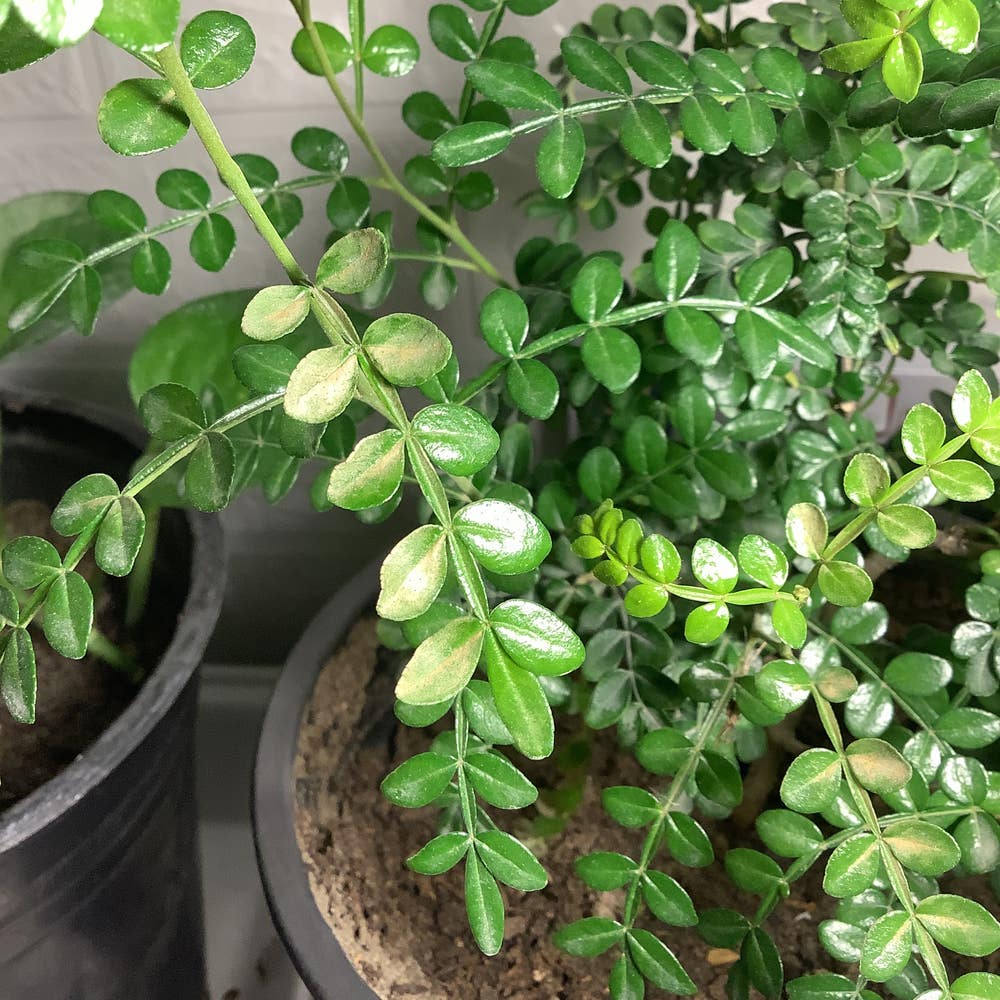
How to Cure Curling Leaves on Your Zanthoxylum 🍃
Zanthoxylum ekmanii
By the Greg Editorial Team
Nov 26, 2024•4 min read
This article was created with the help of AI so we can cover more plants for you. May contain errors. See one? Report it here.
- 🌡️ Maintain temperatures between 60°F to 80°F to prevent curling leaves.
- 💧 Humidity levels of 40%-60% are crucial for healthy Zanthoxylum leaves.
- 🐜 Regularly inspect for pests like aphids to catch issues early and prevent curling.
Causes of Curling Leaves
🌡️ Environmental Stress Factors
Temperature fluctuations can wreak havoc on your Zanthoxylum. Ideally, these plants thrive in temperatures between 60°F to 80°F (15°C to 27°C). When temperatures stray too far from this range, you may notice symptoms like leaf curling and discoloration.
Humidity also plays a crucial role in plant health. The optimal humidity level for Zanthoxylum is between 40% to 60%. If the air is too dry, leaves may dry out and curl, signaling that your plant is under stress.
🐛 Pests and Diseases
Pests are another common culprit behind curling leaves. Aphids are notorious for leaving a sticky residue and causing distorted leaves. Similarly, spider mites can be identified by fine webbing and stippled leaves, indicating they are feeding on your plant.
Diseases can also lead to curling leaves. Root rot, primarily caused by overwatering, results in wilting and curling leaves. It's essential to keep an eye on your watering habits to prevent this issue.
🥦 Nutrient Deficiencies and Excesses
Nutrient imbalances can significantly affect your plant's health. A nitrogen deficiency often manifests as yellowing leaves and stunted growth. Conversely, excess fertilization can cause leaf burn and curling at the tips, indicating that your plant is overwhelmed by nutrients.
🔍 Diagnosing Curling Leaves
Identifying Symptoms of Leaf Curl
Understanding the type of curl can help diagnose the problem. Upward curling typically suggests pest damage or environmental stress, while downward curling may indicate overwatering or nutrient issues.
Assessing Soil and Watering Practices
To effectively diagnose curling leaves, start with a soil check. Dig down 2-3 inches to assess moisture levels and ensure proper drainage.
Next, consider your watering frequency. A good rule of thumb is to water when the top inch of soil is dry. This practice helps maintain the right balance for your Zanthoxylum.
With a clear understanding of these causes, you can take the necessary steps to treat and prevent curling leaves effectively. Next, let’s explore how to treat these curling leaves and restore your plant's health.
Treating Curling Leaves
🐛 Step-by-Step Treatment for Pest Infestations
Identifying pests is the first step in treating curling leaves. Use a magnifying glass to inspect the leaves closely for any signs of aphids or spider mites.
Once you've identified the pest, it's time to apply treatment. Neem oil or insecticidal soap works wonders—just spray thoroughly on the affected areas to ensure complete coverage.
After treatment, monitoring progress is crucial. Check weekly for signs of improvement or further damage to stay ahead of any potential issues.
💧 Adjusting Watering and Soil Conditions
Watering adjustments can significantly impact your plant's health. If you suspect overwatering, reduce the frequency to allow the soil to dry out a bit.
Soil amendments can also help. Incorporating perlite or sand into your soil mix improves drainage, which is essential for preventing root rot and other moisture-related problems.
🌱 Nutrient Management and Fertilization Tips
A proper fertilization schedule is key to maintaining healthy leaves. Use a balanced fertilizer every 4-6 weeks during the growing season to provide essential nutrients.
Keep an eye out for signs of nutrient deficiency. Regularly check for yellowing leaves or stunted growth, as these can indicate that your plant needs a nutrient boost.
By following these treatment strategies, you can effectively address curling leaves and promote a healthier Zanthoxylum. Next, let’s explore how to prevent curling leaves from occurring in the first place.
Preventing Curling Leaves
🌱 Best Practices for Care
To keep your Zanthoxylum thriving, start with the right planting location. Aim for full sun to partial shade exposure, which provides the ideal light conditions for growth.
Soil preparation is equally crucial. Use well-draining soil to prevent root issues that can lead to curling leaves.
🌦️ Seasonal Care Adjustments
As seasons change, so should your care routine. In winter, protect your plant from extreme cold by mulching or moving pots indoors to shield them from harsh temperatures.
During the summer, be proactive about watering. Increase your watering frequency during hot, dry spells to keep your plant hydrated and healthy.
🔍 Monitoring and Early Intervention Strategies
Regular inspections are key to early detection. Check your Zanthoxylum leaves weekly for signs of curling or pest activity to catch any issues before they escalate.
If you notice any problems, address them promptly. Early intervention can save your plant from further damage and ensure it remains vibrant and strong.
By following these preventive measures, you can enjoy a flourishing Zanthoxylum and avoid the frustration of curling leaves. Now, let’s explore how to treat curling leaves effectively if they do occur.
⚠️ Safety First
This content is for general information and may contain errors, omissions, or outdated details. It is not medical, veterinary advice, or an endorsement of therapeutic claims.
Always consult a qualified healthcare professional before using any plant as food, medicine, or supplement.
Never eat any plant (or feed one to pets) without confirming its identity with at least two trusted sources.
If you suspect poisoning, call Poison Control (800) 222-1222, the Pet Poison Helpline (800) 213-6680, or your local emergency service immediately.
Spotted an error? Please report it here.
Transform your Zanthoxylum's curling leaves into lush growth 🌱 by using Greg's tailored care tips and reminders to keep your plant healthy and thriving!