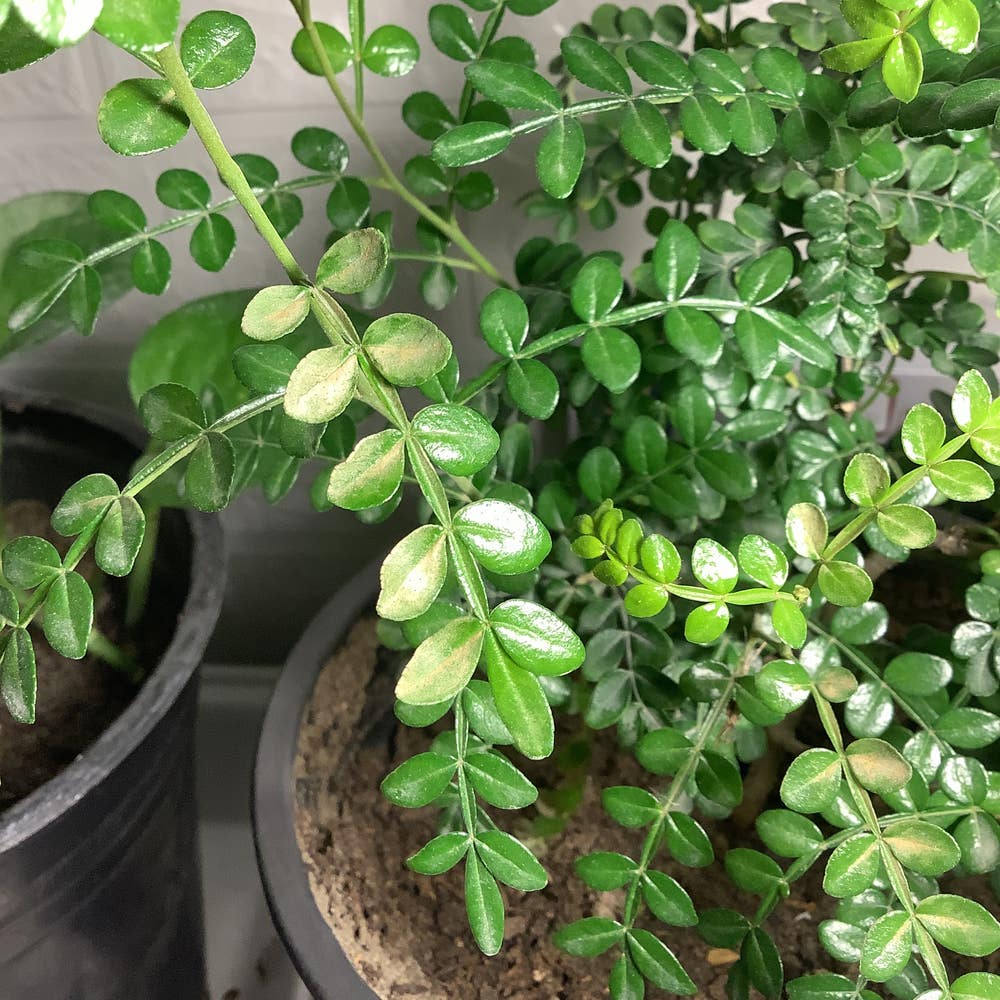
🔍 Best Tips for Dealing with Brown Spots on Zanthoxylum
Zanthoxylum ekmanii
By the Greg Editorial Team
Nov 26, 2024•6 min read
This article was created with the help of AI so we can cover more plants for you. May contain errors. See one? Report it here.
- 🌧️ Brown spots arise from overwatering, underwatering, and temperature extremes.
- 🐛 Pests and fungal infections contribute to brown spots; regular inspections are essential.
- 🌱 Nutrient deficiencies can be addressed with balanced fertilizers and foliar feeding.
Causes of Brown Spots
🌍 Environmental Stress Factors
Overwatering
Overwatering can lead to yellowing leaves, wilting, and brown spots. This often occurs due to poor drainage and compacted soil, which prevents roots from getting the oxygen they need.
Underwatering
On the flip side, underwatering results in dry, crispy leaf edges and brown spots. This typically happens when plants are not watered frequently enough or during drought conditions.
Temperature Extremes
Temperature extremes can also cause brown spots. Symptoms include leaf scorch and browning at the tips, often due to exposure to frost or excessive heat.
🥦 Nutrient Deficiencies
Nitrogen Deficiency
A nitrogen deficiency manifests as yellowing leaves with brown spots. Nitrogen is essential for leaf growth and overall plant vigor, making it crucial for healthy Zanthoxylum.
Potassium Deficiency
Marginal leaf browning and spots indicate potassium deficiency. This nutrient aids in water regulation and enhances disease resistance, vital for plant health.
Magnesium Deficiency
Interveinal chlorosis, which leads to brown spots, signals magnesium deficiency. Magnesium is critical for photosynthesis and enzyme function, impacting the plant's overall performance.
🐞 Pest Infestations
Aphids
Aphids leave behind sticky residue, curled leaves, and brown spots. These pests weaken plants by sucking sap, which can lead to significant health issues.
Spider Mites
Fine webbing and stippled leaves with brown spots are signs of spider mite infestations. These pests cause leaf damage and stress, making it essential to address them promptly.
Scale Insects
Scale insects create brown, raised spots on leaves. Their presence can lead to an overall decline in plant health, as they feed on the plant's sap.
🦠 Fungal and Bacterial Infections
Fungal Leaf Spots
Dark brown or black spots with yellow halos indicate fungal leaf spots. Common fungi responsible for this issue include Alternaria and Cercospora, which thrive in humid conditions.
Bacterial Leaf Spot
Water-soaked spots that turn brown are symptoms of bacterial leaf spot. This condition arises from bacterial pathogens that flourish in wet environments, making proper care essential.
Understanding these causes is the first step in effectively managing brown spots on Zanthoxylum. By identifying the underlying issues, you can take appropriate action to restore your plant's health and vitality.
Diagnosing Brown Spots
🕵️♂️ Identifying Symptoms
Visual inspection is your first step in diagnosing brown spots on Zanthoxylum. Look for color changes, texture differences, and distinct patterns of spots on the leaves.
Next, examine the placement of the leaves. Older leaves may show different symptoms compared to new growth, helping you pinpoint the issue more accurately.
🔍 Differentiating Between Causes
Understanding the characteristics of the spots is crucial. The size, color, and shape can indicate specific problems, guiding your treatment approach.
Additionally, observe the behavior of the leaves. Are the spots spreading, or are the leaves wilting? This can provide insight into whether the issue is environmental, nutritional, or pest-related.
📋 Importance of Leaf Inspection
Regular checks are essential for maintaining plant health. Conduct weekly inspections to catch any issues early before they escalate.
Documentation is equally important. Keep a log of symptoms to identify patterns over time, which can help you make informed decisions about treatment and care.
By staying vigilant and proactive, you can effectively manage brown spots and ensure your Zanthoxylum thrives. Next, we’ll explore treatment options to address these pesky brown spots.
Treatment Options
🌱 Organic Treatments for Fungal Infections
Fungal infections can be a real headache for Zanthoxylum plants, but organic treatments can help.
Neem Oil
To use neem oil, spray a diluted solution directly on the affected leaves. Aim for every 7-14 days until you see improvement.
Baking Soda Solution
Another effective method is a baking soda solution. Mix 1 tablespoon of baking soda with water and a few drops of dish soap, then spray it on the leaves to combat fungal growth.
🐞 Chemical Treatments for Pests
When pests invade, chemical treatments may be necessary to protect your plants.
Insecticidal Soap
Insecticidal soap is a straightforward option. Spray it directly on the pests and affected areas, ideally in the evening to prevent sunburn on the leaves.
Systemic Insecticides
For severe infestations, such as those caused by aphids or spider mites, systemic insecticides can be effective. These treatments work from within the plant, providing longer-lasting protection.
💧 Adjusting Watering Practices
Proper watering is crucial for maintaining healthy Zanthoxylum plants and preventing brown spots.
Watering Schedule
Water your plants when the top 1-2 inches of soil are dry. Deep watering encourages robust root growth and helps avoid overwatering.
Drainage Solutions
Ensure your pots have drainage holes and consider amending the soil with perlite for better aeration. This will help prevent waterlogging and promote healthy plant growth.
🌿 Fertilization Strategies to Address Deficiencies
Fertilization can play a key role in addressing nutrient deficiencies that lead to brown spots.
Balanced Fertilizer
Use a slow-release, balanced NPK fertilizer to provide essential nutrients. Apply it in early spring and mid-summer for optimal results.
Foliar Feeding
For a quick nutrient boost, consider foliar feeding. Spray liquid fertilizers directly on the leaves for rapid absorption, helping your plants bounce back.
By implementing these treatment options, you can effectively manage brown spots on your Zanthoxylum plants. Next, let’s explore preventive measures to keep your plants healthy and thriving.
Preventive Measures
Proper Watering Techniques 🌊
Consistency is key when it comes to watering your Zanthoxylum. Establish a regular watering schedule that aligns with seasonal needs to keep your plant healthy.
Before watering, always check soil moisture levels. This simple step helps prevent overwatering, which can lead to brown spots and other issues.
Soil Health and Amendments 🌱
The right soil composition is crucial for your plant's health. Use well-draining soil mixes enriched with organic matter to promote healthy growth.
Additionally, maintaining the correct soil pH is essential. Aim for a pH level between 6.0 and 7.0 to ensure optimal nutrient uptake.
Regular Inspection and Maintenance 🔍
Routine checks can save your Zanthoxylum from potential problems. Regularly inspect leaves and stems for early signs of pests or disease.
Pruning is another vital practice. Remove affected leaves promptly to prevent the spread of issues and improve air circulation around your plant.
Environmental Control 🌞
Light plays a significant role in the health of your Zanthoxylum. Ensure it receives adequate sunlight, ideally 6-8 hours daily, to thrive.
Lastly, monitor humidity and temperature levels. Maintaining moderate humidity and protecting your plant from extreme temperatures will help it flourish.
By implementing these preventive measures, you can significantly reduce the risk of brown spots and keep your Zanthoxylum looking its best. Next, let’s explore treatment options for when issues do arise.
⚠️ Safety First
This content is for general information and may contain errors, omissions, or outdated details. It is not medical, veterinary advice, or an endorsement of therapeutic claims.
Always consult a qualified healthcare professional before using any plant as food, medicine, or supplement.
Never eat any plant (or feed one to pets) without confirming its identity with at least two trusted sources.
If you suspect poisoning, call Poison Control (800) 222-1222, the Pet Poison Helpline (800) 213-6680, or your local emergency service immediately.
Spotted an error? Please report it here.
Transform your Zanthoxylum's health and banish those brown spots 🌿 with Greg's tailored watering schedules and nutrient alerts that ensure your plant thrives in any environment!