4 Perfect Plant Partners for Zanthoxylum 🤝
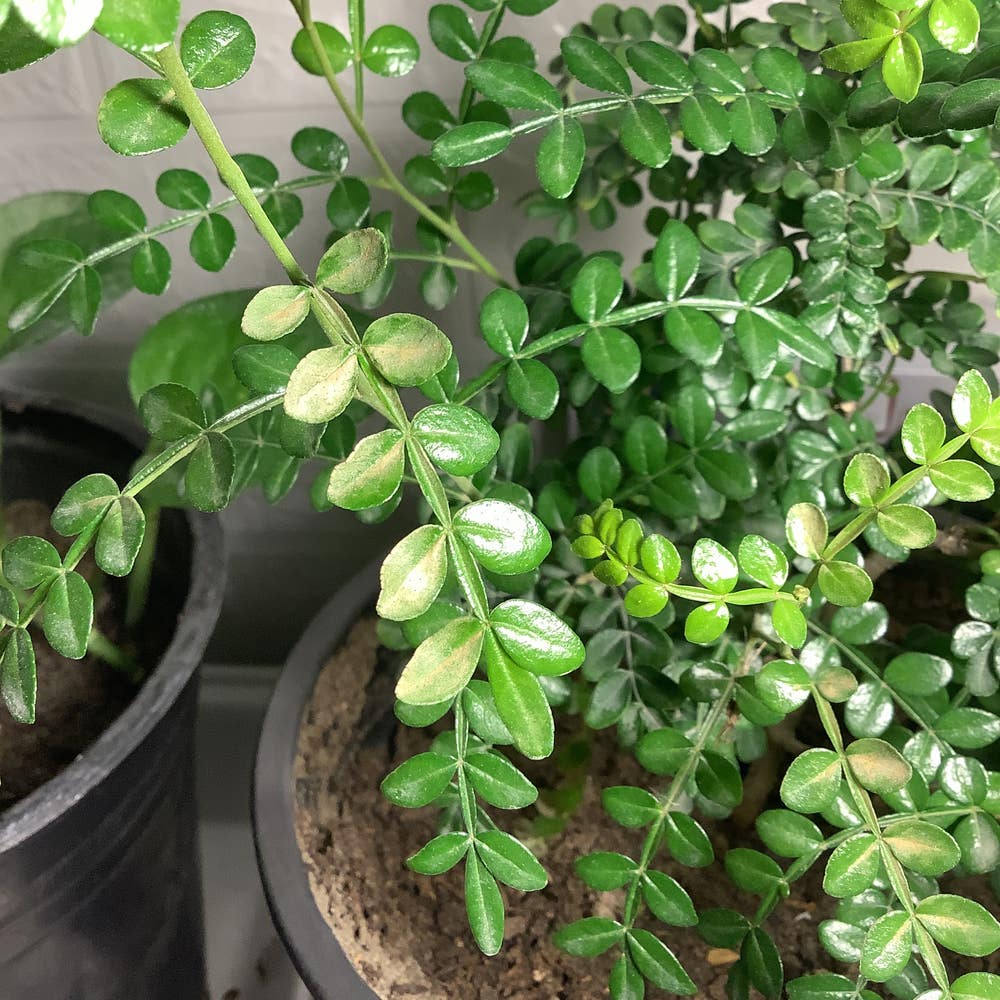
Zanthoxylum ekmanii
By the Greg Editorial Team
Nov 26, 2024•5 min read
This article was created with the help of AI so we can cover more plants for you. May contain errors. See one? Report it here.
- 🌱 Companion planting boosts Zanthoxylum's growth by fostering mutual support among plants.
- 🐞 Marigolds and basil repel pests, enhancing Zanthoxylum's health and flavor.
- 🌼 Diverse plant communities promote soil health and reduce competition for resources.
Benefits of Companion Planting for Zanthoxylum
Enhancing Growth and Yields 🌱
Companion planting is a game-changer for Zanthoxylum, enhancing growth and yields through mutual support. When you pair Zanthoxylum with compatible plants, they can thrive together, sharing resources and creating a more robust ecosystem.
Selecting the right companions reduces competition for vital resources like water and nutrients. This thoughtful approach not only boosts individual plant health but also improves overall soil health and biodiversity, creating a thriving garden environment.
By fostering a diverse plant community, you encourage beneficial microorganisms in the soil, which can lead to healthier plants. This synergy is essential for maximizing the potential of your Zanthoxylum, making companion planting a smart strategy for any gardener.
In the next section, we will explore some ideal companion plants that can elevate your Zanthoxylum experience even further.
Ideal Companion Plants
Plant 1: Marigold 🌼
Marigolds are vibrant, hardy flowers known for their bright yellow and orange hues. They thrive in sunny spots and can grow up to 3 feet tall, making them an excellent visual companion for Zanthoxylum.
Marigolds prefer well-drained soil and require similar light conditions as Zanthoxylum. They are low-maintenance, needing only regular watering to keep them healthy.
These flowers are not just pretty; they also serve a purpose. Marigolds repel pests like nematodes and attract beneficial insects, such as ladybugs, which can help protect Zanthoxylum from harmful pests.
Plant 2: Basil 🌿
Basil is a fragrant herb that can grow up to 2 feet tall, with lush green leaves that add a fresh aroma to any garden. Its growth habit is bushy, making it a great filler around Zanthoxylum.
This herb thrives in warm, sunny conditions and prefers well-drained soil, aligning perfectly with Zanthoxylum's needs. Regular watering is essential, but be cautious not to overwater.
Basil not only enhances the flavor of nearby plants but also acts as a natural pest repellent. It can deter flies and mosquitoes, creating a healthier environment for Zanthoxylum.
Plant 3: Nasturtium 🌸
Nasturtiums are unique, edible flowers that come in a variety of colors, including orange, yellow, and red. They grow as trailing or bushy plants, reaching heights of 1 to 3 feet, making them a colorful addition to the garden.
These plants thrive in poor soil and full sun, which complements Zanthoxylum's growth conditions. They require moderate watering, making them easy to care for alongside Zanthoxylum.
Nasturtiums are particularly beneficial as they attract aphids away from Zanthoxylum, acting as a trap crop. Plus, their edible flowers can add a peppery flavor to salads!
Plant 4: Garlic 🧄
Garlic is a versatile bulb that grows well in a variety of conditions, typically reaching about 1 to 2 feet tall. Its tall green shoots and underground bulbs make it a functional companion for Zanthoxylum.
Garlic prefers well-drained soil and full sun, similar to Zanthoxylum's requirements. It needs consistent moisture, especially during its growing season.
This powerhouse plant is a natural pest deterrent, repelling aphids and other harmful insects. Additionally, garlic can enhance soil health, promoting a thriving garden ecosystem.
These companion plants not only support the growth of Zanthoxylum but also create a vibrant and productive garden space. Next, we’ll explore how these plants can help manage pests effectively.
Pest Management with Companion Plants
How Companion Plants Help in Pest Management 🌱
Companion plants play a crucial role in pest management by naturally deterring harmful insects and attracting beneficial ones. By strategically planting certain species alongside Zanthoxylum, you can create a balanced ecosystem that minimizes pest issues.
Integrated pest management (IPM) strategies leverage these companion plants to enhance plant health. This approach combines biological, cultural, and mechanical practices to manage pests sustainably, reducing the need for chemical interventions.
Specific Pests that Zanthoxylum May Face 🐜
Zanthoxylum can face several common pests, including aphids and spider mites. These pests can cause significant damage, leading to wilting leaves, stunted growth, and overall plant decline.
Signs of infestation include yellowing leaves, sticky residue on foliage, and visible insects. Early detection is key to preventing severe damage, so regular monitoring is essential.
Companion Plants that Repel Pests 🌼
Several companion plants effectively repel pests that threaten Zanthoxylum. Here are a few notable examples:
- Marigolds: Known for their vibrant blooms, marigolds release compounds that deter nematodes and aphids.
- Basil: This aromatic herb not only enhances the flavor of nearby plants but also repels flies and mosquitoes.
- Nasturtium: With its peppery leaves, nasturtium attracts aphids away from Zanthoxylum, acting as a trap crop.
These plants work through various mechanisms, such as emitting natural repellents or attracting predatory insects that feed on pests. By incorporating these companions into your garden, you can create a protective barrier around your Zanthoxylum, ensuring its health and vitality.
As you explore the world of companion planting, consider which plants will best support your Zanthoxylum. The right combinations can lead to a thriving garden ecosystem, setting the stage for the next topic: plants to avoid near Zanthoxylum.
Plants to Avoid Near Zanthoxylum
List of Plants that Should Not Be Planted Near Zanthoxylum 🌱
When planning your garden, it's crucial to know which plants to steer clear of when growing Zanthoxylum. Certain legumes, such as clover and peas, can compete for nutrients and space, potentially stunting Zanthoxylum's growth.
Additionally, fennel is another plant to avoid. Its strong growth can overshadow Zanthoxylum, leading to poor light conditions and reduced yields.
Reasons for Incompatibility with Zanthoxylum 🚫
The primary reason for avoiding these plants is competition for resources. Zanthoxylum thrives when it has ample access to nutrients, water, and sunlight. Introducing incompatible plants can lead to stress and hinder its development.
Moreover, some plants exhibit allelopathy, releasing chemicals that can inhibit the growth of neighboring plants. This negative interaction can significantly affect Zanthoxylum's health and productivity, making it essential to choose companions wisely.
Understanding these dynamics will help you create a thriving garden environment for Zanthoxylum. With the right companions and the avoidance of detrimental plants, you can ensure your Zanthoxylum flourishes beautifully.
⚠️ Safety First
This content is for general information and may contain errors, omissions, or outdated details. It is not medical, veterinary advice, or an endorsement of therapeutic claims.
Always consult a qualified healthcare professional before using any plant as food, medicine, or supplement.
Never eat any plant (or feed one to pets) without confirming its identity with at least two trusted sources.
If you suspect poisoning, call Poison Control (800) 222-1222, the Pet Poison Helpline (800) 213-6680, or your local emergency service immediately.
Spotted an error? Please report it here.
Boost your Zanthoxylum's growth with perfect plant partners 🌱 and let Greg guide you with tailored care tips and reminders for a flourishing garden!