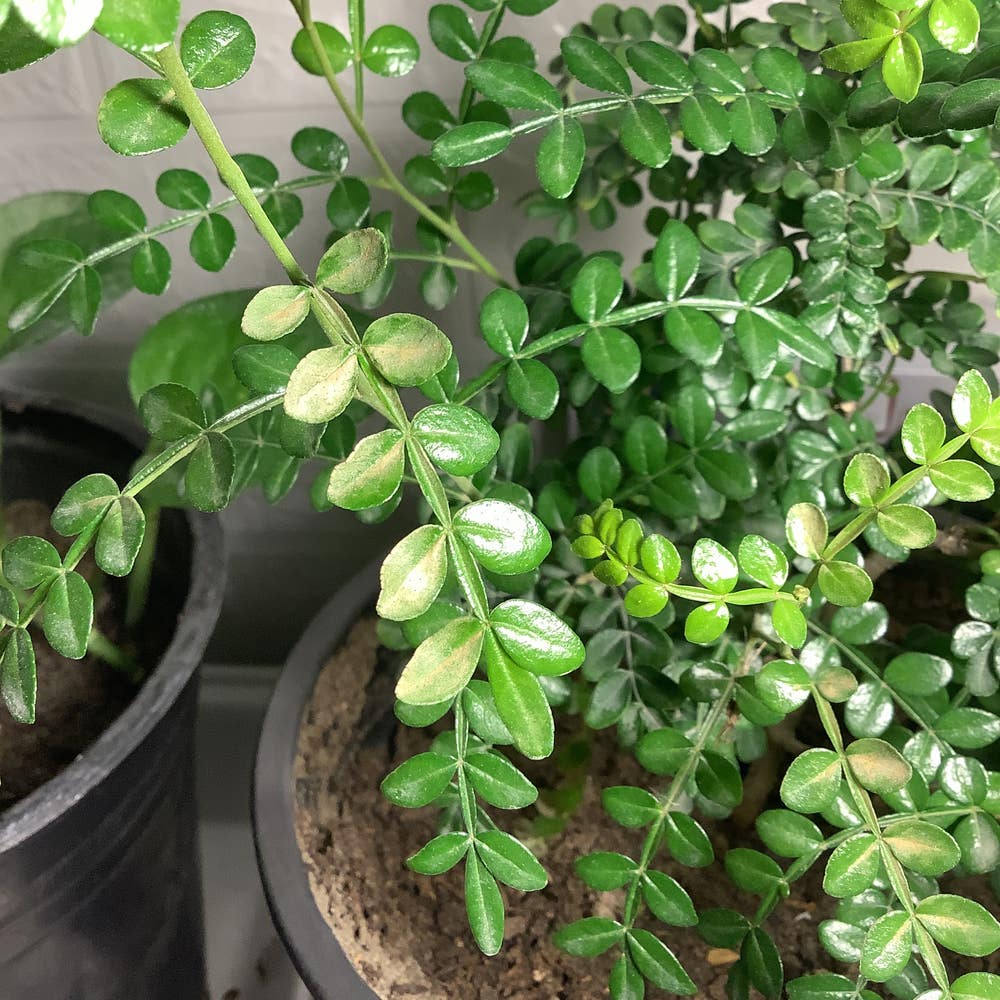
5 Tips for Healing Leaves Falling Over on Your Zanthoxylum 🩹
Zanthoxylum ekmanii
By the Greg Editorial Team
Nov 26, 2024•5 min read
This article was created with the help of AI so we can cover more plants for you. May contain errors. See one? Report it here.
- 🌱 Leaf drop in Zanthoxylum often results from overwatering, underwatering, or insufficient light.
- 🐞 Pests like aphids and spider mites can severely damage leaves; regular inspections are vital.
- 🌿 Nutritional deficiencies in nitrogen or potassium lead to yellowing and leaf drop.
Causes of Leaf Drop
🌪️ Environmental Stress Factors
Leaf drop in your Zanthoxylum can often be traced back to environmental stress. Overwatering is a common issue; it suffocates roots and leads to root rot, while underwatering can cause leaves to wilt and fall off.
Poor light conditions also play a significant role. If your plant isn't getting enough light, it may shed leaves to conserve energy, so make sure it’s in a well-lit spot.
🐛 Pests and Diseases
Pests and diseases are notorious for causing leaf wilting and drop. Aphids, spider mites, and scale insects can sap the vitality from your plant, leading to distress and eventual leaf loss.
Fungal infections, like root rot and leaf spot diseases, can also wreak havoc. Keep an eye out for unusual spots or discoloration on leaves, as these can signal a deeper issue.
🍽️ Nutritional Deficiencies
Nutritional deficiencies can significantly affect leaf health. A lack of essential nutrients, such as nitrogen, potassium, or magnesium, can lead to yellowing leaves and premature drop.
To keep your Zanthoxylum thriving, ensure it receives a balanced fertilizer tailored to its needs. Regularly check for signs of nutrient deficiency to address any issues promptly.
Understanding these causes is crucial for maintaining healthy leaves. Now, let’s explore how to manage pests and diseases effectively.
Pest and Disease Management
🐜 Common Pests
Aphids: Signs of Infestation and Control Methods
Aphids are tiny, soft-bodied insects that can wreak havoc on your Zanthoxylum. Look for curled leaves, sticky residue, or the presence of ants, which often farm these pests for their honeydew.
To control aphids, consider introducing natural predators like ladybugs or using insecticidal soap. Regularly inspecting your plants can help catch infestations early.
Spider Mites: Symptoms and Treatment Options
Spider mites are another common pest, often leaving fine webbing on the undersides of leaves. Yellowing leaves and tiny specks may indicate their presence.
To treat spider mites, increase humidity around your plant and spray with water to dislodge them. If the problem persists, neem oil can be effective.
Scale Insects: Identification and Management Strategies
Scale insects appear as small, brownish bumps on stems and leaves. They can be hard to spot but cause yellowing and leaf drop when they feed.
For management, gently scrape them off with a soft cloth or use insecticidal soap for more severe cases. Regular monitoring is key to preventing infestations.
🦠 Identifying Diseases
Fungal Infections: Root Rot and Leaf Spot Diseases
Fungal infections can be detrimental to your Zanthoxylum. Root rot often manifests as wilting and yellowing leaves, while leaf spot diseases present as dark, water-soaked areas on foliage.
To combat these issues, ensure proper drainage and avoid overwatering. Removing affected leaves can also help prevent the spread of fungal spores.
Bacterial Infections: Symptoms and Prevention Methods
Bacterial infections may show up as dark, mushy spots on leaves or stems. These can lead to significant damage if not addressed promptly.
Prevent bacterial infections by maintaining good air circulation and avoiding overhead watering. If you notice symptoms, promptly remove infected parts to minimize spread.
🛠️ Treatment Options
Organic Control Methods
For those looking to manage pests and diseases naturally, organic options are available. Neem oil is a popular choice, effective against various pests and fungal issues.
Insecticidal soap can also help eliminate soft-bodied insects without harming beneficial ones. Additionally, introducing beneficial insects like lacewings can provide long-term pest control.
Chemical Treatments
While organic methods are great, sometimes you may need to consider chemical treatments. Synthetic pesticides can be effective but should be used as a last resort.
Always follow the manufacturer's instructions and apply them sparingly to minimize environmental impact. Remember, the goal is to maintain a healthy balance in your garden.
As you navigate pest and disease management, staying vigilant and proactive is essential. This will set the stage for the next section on preventive measures for healthy leaves, ensuring your Zanthoxylum thrives.
Preventive Measures for Healthy Leaves
Regular Maintenance Tips 🌿
Pruning is essential for maintaining the health of your Zanthoxylum. By removing dead or damaged leaves, you promote better airflow, which helps prevent diseases and encourages new growth.
Cleaning your plant is equally important. Regularly wiping the leaves not only keeps them dust-free but also allows them to absorb more light, enhancing photosynthesis.
Seasonal Care Adjustments 🌸
Adjusting your watering and fertilization routine according to the seasons can make a significant difference. In warmer months, your Zanthoxylum may require more water, while in cooler months, you should reduce watering to prevent root rot.
Additionally, protecting your plant from extreme weather conditions is crucial. Shield it from frost in winter and provide shade during intense heat to ensure it thrives year-round.
Monitoring and Adjusting Conditions 🔍
Regular checks on your plant's environment are vital. Assess light, moisture, and temperature levels to ensure they meet your Zanthoxylum's needs.
Using tools like soil moisture meters and thermometers can provide accurate readings. This way, you can make informed adjustments to keep your plant healthy and happy.
By implementing these preventive measures, you can significantly enhance the vitality of your Zanthoxylum. Next, let’s explore effective pest and disease management strategies to further safeguard your plant.
⚠️ Safety First
This content is for general information and may contain errors, omissions, or outdated details. It is not medical, veterinary advice, or an endorsement of therapeutic claims.
Always consult a qualified healthcare professional before using any plant as food, medicine, or supplement.
Never eat any plant (or feed one to pets) without confirming its identity with at least two trusted sources.
If you suspect poisoning, call Poison Control (800) 222-1222, the Pet Poison Helpline (800) 213-6680, or your local emergency service immediately.
Spotted an error? Please report it here.
Keep your Zanthoxylum vibrant and healthy 🌿 by using Greg's personalized care reminders to tackle light, watering, and pest management for thriving leaves!