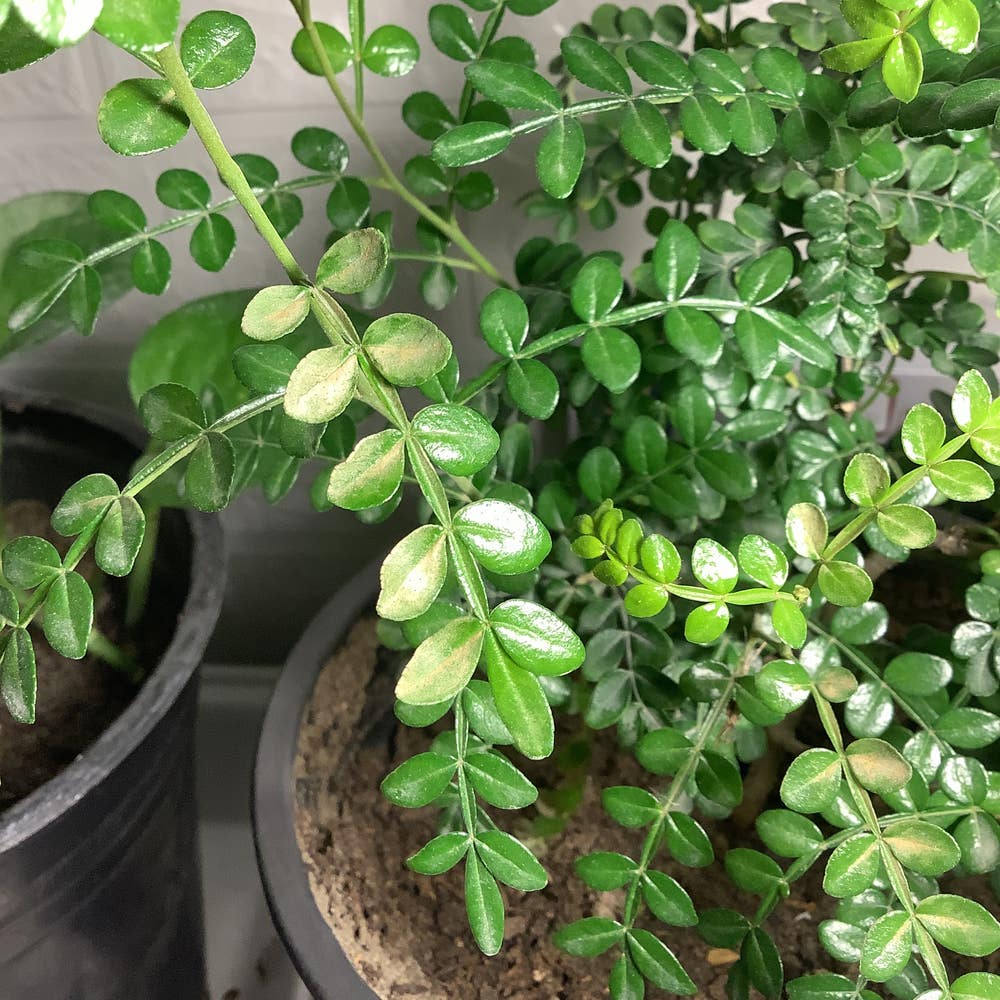
Ultimate Guide to Humidity for Zanthoxylum 💧
Zanthoxylum ekmanii
By the Greg Editorial Team
Nov 26, 2024•6 min read
This article was created with the help of AI so we can cover more plants for you. May contain errors. See one? Report it here.
- 🌧️ Zanthoxylum thrives at 60-80% humidity, mimicking its natural habitat for optimal growth.
- 📊 Use a hygrometer to monitor humidity and adjust care for healthy plants.
- 🌿 Signs of stress include leaf curling; maintain humidity for vibrant foliage.
Ideal Humidity Levels
Maintaining the right humidity levels is crucial for the health of Zanthoxylum plants. The optimal relative humidity range for these plants is between 60% and 80%. This range mimics their natural habitat, promoting robust growth and vibrant foliage.
🌱 Specific Moisture Levels for Different Species
Different species of Zanthoxylum may have varying humidity preferences. Some might thrive at the lower end of the spectrum, while others prefer the higher levels. It's essential to research the specific needs of your Zanthoxylum species to ensure they receive the right moisture.
👀 Signs of Adequate Humidity
How can you tell if your Zanthoxylum is happy with the humidity levels? Look for healthy leaf appearance and consistent growth patterns. Leaves should be lush and vibrant, free from curling or browning, indicating that your humidity management is on point.
In summary, keeping your Zanthoxylum within the ideal humidity range is key to their thriving. Next, we’ll explore how to assess local humidity levels and the factors that can influence them.
Local Humidity Considerations
Understanding local humidity levels is crucial for the health of your Zanthoxylum plants. These plants thrive in specific moisture conditions, so knowing how to measure and adjust humidity is key.
🌧️ Assessing Local Humidity Levels
To assess local humidity, you can use a hygrometer, a handy tool that measures moisture in the air. Digital hygrometers are often more accurate and easier to read than analog options.
Regularly checking humidity levels helps you tailor your care routine for Zanthoxylum. This ensures your plants receive the right amount of moisture, promoting healthy growth.
🌦️ Seasonal Variations
Humidity levels can fluctuate significantly with the seasons. For instance, winter often brings drier air, while summer can increase humidity.
Adjusting your care routine according to these seasonal changes is essential. You might need to increase misting or use a humidifier during dry months to maintain optimal conditions.
🗺️ Geographic Factors
Geographic location plays a significant role in humidity levels. Coastal areas typically have higher humidity, while arid regions can be quite dry.
Understanding your local climate helps you anticipate humidity challenges. This knowledge allows you to implement effective strategies for maintaining the right moisture levels for your Zanthoxylum plants.
By keeping an eye on local humidity, seasonal changes, and geographic influences, you can create an ideal environment for your plants. Next, let’s explore effective strategies for boosting humidity to ensure your Zanthoxylum thrives.
Strategies for Boosting Humidity
🌬️ Using Humidifiers
When it comes to maintaining humidity for your Zanthoxylum, humidifiers are a game changer. You can choose between cool mist and warm mist options, both of which effectively increase moisture levels in the air.
For optimal results, set your humidifier to maintain a relative humidity of 60% to 80%. This range is perfect for promoting healthy growth and vibrant leaves.
🌱 Grouping Plants
Another effective strategy is to cluster your plants together. This not only creates a microenvironment with higher humidity but also enhances the aesthetic appeal of your space.
Aim for a spacing of about 6 to 12 inches between plants to allow for adequate airflow while still benefiting from the humidity boost.
💧 Pebble Trays and Water Features
Creating a pebble tray is a simple yet effective way to increase humidity. To set one up, fill a shallow tray with pebbles and add water until it just covers the stones, ensuring the bottom of your plant pot doesn’t sit directly in the water.
Incorporating indoor water features, like small fountains, can also elevate humidity levels while adding a soothing ambiance to your home.
🌫️ Misting Techniques
Misting your plants can provide a quick humidity boost. Best practices suggest misting in the morning to allow leaves to dry throughout the day, reducing the risk of mold.
However, be cautious of potential drawbacks, such as the risk of fungal diseases if leaves remain damp for too long. Regular monitoring and adjusting your misting frequency can help mitigate these risks.
With these strategies, you can create a thriving environment for your Zanthoxylum, ensuring they flourish in the humidity they crave. Next, let’s explore effective methods for reducing humidity when necessary.
Strategies for Reducing Humidity
🌬️ Ventilation Techniques
Air circulation is crucial for maintaining optimal humidity levels. Improving airflow can prevent excess moisture buildup, which is essential for the health of your Zanthoxylum plants.
To enhance ventilation, consider these methods:
- Open windows: Allow fresh air to flow in and reduce humidity.
- Use fans: Position fans strategically to create a gentle breeze around your plants.
- Plant placement: Avoid overcrowding plants to ensure they receive adequate airflow.
💧 Dehumidifiers
Dehumidifiers can be a game-changer for indoor gardening. They help maintain a balanced humidity level, especially in damp environments.
When choosing a dehumidifier, consider the following:
- Types: Look for models specifically designed for indoor gardening.
- Size and capacity: Ensure the unit is appropriate for the space you’re working with.
Aim to set your dehumidifier to maintain humidity levels between 50% and 60%. This range is generally ideal for Zanthoxylum, promoting healthy growth without the risk of mold or mildew.
🪴 Choosing the Right Potting Mix
The right potting mix can significantly impact humidity management. A well-draining mix helps prevent excess moisture retention, which is vital for Zanthoxylum health.
Key characteristics of an effective potting mix include:
- Well-draining: Ensure the mix allows excess water to escape easily.
- Recommended ingredients: Look for mixes containing perlite, vermiculite, or coarse sand to enhance drainage.
By selecting the right potting mix, you can create an environment that supports your plants while effectively managing humidity levels.
Incorporating these strategies will help you maintain a balanced humidity level, ensuring your Zanthoxylum thrives. Next, let’s explore how to monitor humidity effectively to keep your plants in top shape.
Monitoring Humidity
🌡️ Tools for Measuring Humidity
To effectively care for your Zanthoxylum, monitoring humidity is crucial. You can choose between digital and analog tools, each with its own benefits.
Digital hygrometers offer precise readings and often come with additional features like temperature displays. Brands like AcuRite and ThermoPro are popular for their reliability and user-friendly interfaces.
Analog hygrometers, while less precise, can be more affordable and easier to read at a glance. Look for models from brands like Extech or Taylor for dependable options.
🌿 Signs of Humidity-Related Stress
Recognizing humidity-related stress in your plants is essential for their health. Common symptoms include leaf curling, browning tips, and wilting.
If you notice these signs, it’s a clear indication that your Zanthoxylum may be struggling with humidity levels. Addressing these issues promptly can help restore your plant's vitality.
⚙️ Adjusting Care Based on Readings
Once you have your humidity readings, it’s time to take action. If levels are too low, consider adjusting your watering and misting schedules accordingly.
Regular monitoring is vital for maintaining a healthy environment for your plants. By staying proactive, you can ensure your Zanthoxylum thrives in optimal conditions.
As you refine your humidity management, you'll be better equipped to implement strategies for boosting or reducing humidity as needed.
⚠️ Safety First
This content is for general information and may contain errors, omissions, or outdated details. It is not medical, veterinary advice, or an endorsement of therapeutic claims.
Always consult a qualified healthcare professional before using any plant as food, medicine, or supplement.
Never eat any plant (or feed one to pets) without confirming its identity with at least two trusted sources.
If you suspect poisoning, call Poison Control (800) 222-1222, the Pet Poison Helpline (800) 213-6680, or your local emergency service immediately.
Spotted an error? Please report it here.
Keep your Zanthoxylum lush and vibrant 🌱 by using Greg for personalized humidity tips and reminders that ensure your plants thrive in their ideal environment!