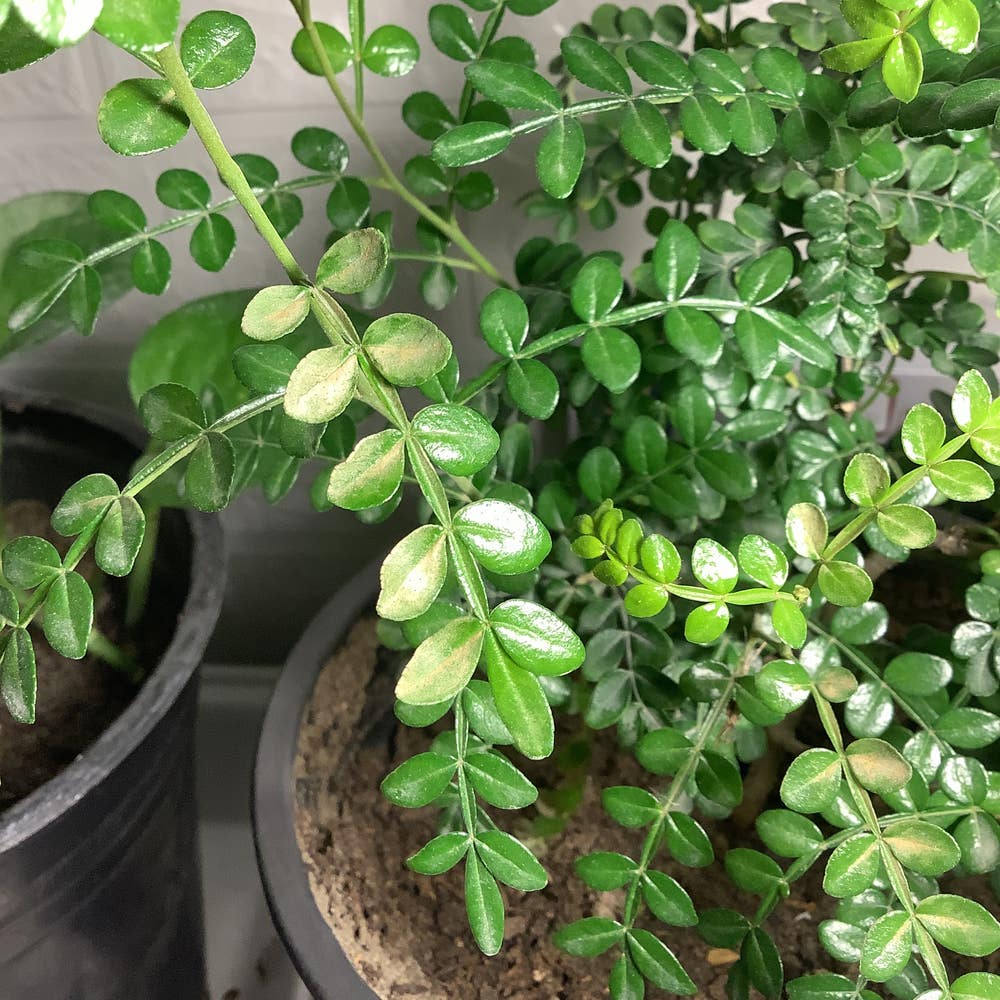
How to Determine When Your Zanthoxylum Needs Water 💧
Zanthoxylum ekmanii
By the Greg Editorial Team
Nov 26, 2024•4 min read
This article was created with the help of AI so we can cover more plants for you. May contain errors. See one? Report it here.
- 🌱 Yellowing leaves and wilting indicate over-watering; check soil moisture regularly.
- 💧 Drooping leaves and dry edges signal under-watering; adjust your watering schedule.
- 📱 Use soil moisture meters or apps for precise watering reminders and plant health tracking.
Recognizing Watering Issues
Signs of Over-Watering 🌊
Over-watering can be a sneaky problem for your Zanthoxylum. One of the first signs to look for is yellowing leaves, which indicate stress from excess moisture.
Another red flag is wilting despite wet soil. This suggests that the roots may be suffocating due to lack of oxygen. If you inspect the roots and find root rot, characterized by mushy, dark roots, it’s a clear indication that your plant is drowning.
Signs of Under-Watering 💧
On the flip side, under-watering presents its own set of symptoms. Drooping leaves are a telltale sign that your Zanthoxylum is craving moisture.
You may also notice dry, crispy leaf edges, which signal dehydration. Additionally, if the soil pulls away from the pot edges, it’s a strong indication that your plant is too dry and needs a drink.
Recognizing these signs early can help you maintain a healthy watering routine for your Zanthoxylum. Next, let’s explore effective watering techniques to ensure your plant thrives.
Watering Techniques
Bottom-Watering Method 🌊
Bottom-watering is a fantastic technique that promotes deep root growth while preventing the topsoil from becoming overly saturated. This method allows your Zanthoxylum to absorb moisture from the bottom up, ensuring that the roots get what they need without drowning.
Step-by-Step Bottom-Watering Technique
- Fill a basin with water. Choose a container large enough to hold your pot.
- Place the pot in the basin. Make sure the drainage holes are submerged to allow water to enter.
- Allow the plant to absorb water. Wait for about 30 minutes or until the topsoil feels moist to the touch.
- Remove the pot and drain excess water. This prevents waterlogging and keeps your plant healthy.
Using Self-Watering Pots 💧
Self-watering pots are a game-changer for busy plant parents. They maintain consistent moisture levels and significantly reduce the risk of over-watering, making them an excellent choice for your Zanthoxylum.
How to Use Self-Watering Pots
- Fill the reservoir with water. This is the base of your self-watering system.
- Ensure soil contact with the wicking system. This allows moisture to travel up to the roots.
- Monitor the water level regularly. Keep an eye on the reservoir to ensure your plant stays hydrated.
By employing these watering techniques, you can create an optimal environment for your Zanthoxylum, promoting healthy growth and vibrant foliage. Next, let's explore how to measure soil moisture effectively to ensure your plant gets just the right amount of water.
Measuring Soil Moisture
🛠️ Tools for Measuring Soil Moisture
Understanding when to water your Zanthoxylum starts with knowing the moisture levels in the soil. Two effective tools can help you achieve this: soil moisture meters and the finger test.
Soil moisture meters are handy devices that provide accurate readings of moisture levels. They take the guesswork out of watering, ensuring your plant gets just the right amount of hydration.
The finger test is a simple, no-cost method to check moisture. Just insert your finger into the soil up to the second knuckle; it’s a quick way to gauge if your plant needs water.
📋 Step-by-Step Guide to Checking Soil Moisture Levels
Checking soil moisture is straightforward and can be done in a few easy steps:
- Start by using a soil moisture meter or performing the finger test.
- If you opt for the finger test, remove the top layer of soil if it feels dry.
- If the soil feels moist at the second knuckle, you can skip watering for now.
- However, if it feels dry, it’s time to give your Zanthoxylum a drink.
By regularly checking soil moisture, you can prevent both over-watering and under-watering, keeping your plant healthy and thriving.
Next, let’s explore how to create a watering schedule that works for you and your Zanthoxylum.
Watering Schedule and Reminders
🌧️ Creating a Watering Schedule
Establishing a watering schedule is crucial for the health of your Zanthoxylum. A general guideline is to water every 1-2 weeks during the growing season, but this can vary based on environmental conditions.
Regularly monitor soil moisture to adapt your schedule as needed. This flexibility ensures your plant receives the right amount of water, preventing both over and under-watering.
⏰ Using the Greg Plant Care App for Reminders
To simplify your watering routine, consider using the Greg Plant Care App. This handy tool allows you to set up personalized watering reminders based on your established schedule.
Additionally, the app helps you track moisture levels and sends alerts when it's time to check your plant's soil. With this technology, you'll never have to worry about forgetting to water your Zanthoxylum again.
By integrating a consistent watering schedule and utilizing helpful apps, you can ensure your plant thrives. Next, we’ll explore effective techniques for measuring soil moisture to further refine your care routine.
⚠️ Safety First
This content is for general information and may contain errors, omissions, or outdated details. It is not medical, veterinary advice, or an endorsement of therapeutic claims.
Always consult a qualified healthcare professional before using any plant as food, medicine, or supplement.
Never eat any plant (or feed one to pets) without confirming its identity with at least two trusted sources.
If you suspect poisoning, call Poison Control (800) 222-1222, the Pet Poison Helpline (800) 213-6680, or your local emergency service immediately.
Spotted an error? Please report it here.
Keep your Zanthoxylum thriving and vibrant 🌿 by using Greg's personalized watering reminders to master its moisture needs effortlessly!