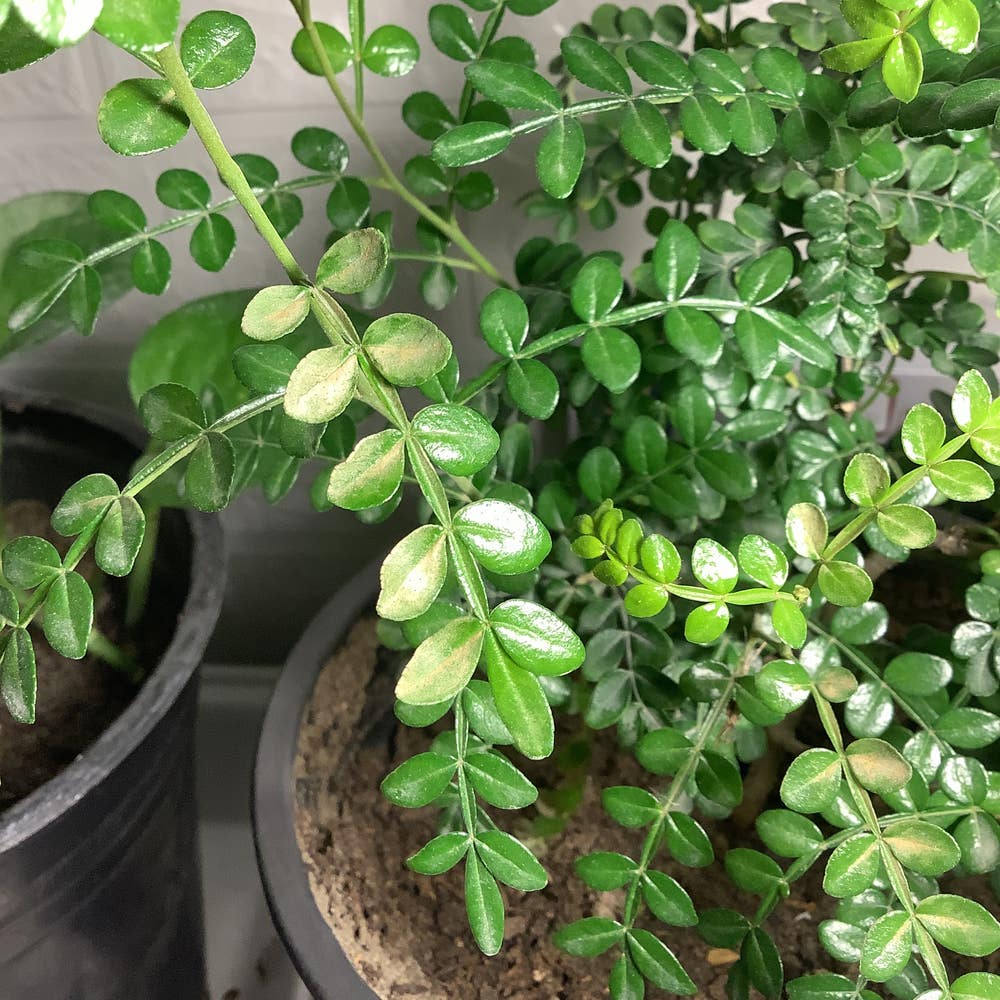
✅ Zanthoxylum: Not an Invasive Plant
Zanthoxylum ekmanii
By the Greg Editorial Team
Nov 26, 2024•5 min read
This article was created with the help of AI so we can cover more plants for you. May contain errors. See one? Report it here.
- 🌱 Zanthoxylum is non-invasive, thriving with moderate growth and limited spread potential.
- 🐝 Supports biodiversity by attracting pollinators and providing habitat for local wildlife.
- 🌿 Enhances gardens with unique foliage, culinary uses, and natural pest deterrence.
Plant Classification
Definition of Invasive Species 🌱
Invasive species are plants that exhibit certain characteristics making them problematic in new environments. They typically grow and spread rapidly, negatively impacting local ecosystems by outcompeting native plants for essential resources.
Why Zanthoxylum is Not Invasive 🌳
Zanthoxylum, commonly known as the toothache tree, has a moderate growth rate, usually reaching heights of 10-30 feet depending on the species. Unlike invasive plants, it thrives in well-drained soils and prefers full sun to partial shade without aggressively spreading.
This plant fosters positive interactions with local flora and fauna, enhancing ecosystems rather than disrupting them. By coexisting harmoniously with its surroundings, Zanthoxylum contributes to biodiversity and supports the health of the environment.
In summary, Zanthoxylum stands out as a beneficial addition to gardens and natural landscapes, proving that not all plants are invasive threats. As we explore its growth habits and ecological roles, we’ll see how it can be effectively integrated into our gardens.
Growth Habits
Typical Growth Patterns in Gardens 🌱
Zanthoxylum exhibits a moderate growth rate, typically focusing on vertical growth and branching. This plant thrives in well-drained soils and can adapt to both full sun and partial shade, making it versatile for various garden settings.
Active growth occurs in spring and summer, while the plant enters a dormant phase during the colder months. This seasonal behavior allows gardeners to plan their maintenance effectively, ensuring the plant remains healthy and vibrant.
Natural Limits to Growth and Spread Potential 🌍
The spread potential of Zanthoxylum is naturally limited by environmental factors and competition with other plants. This characteristic helps maintain balance within the garden ecosystem, preventing it from becoming overly dominant.
Regular pruning may be necessary to manage its size and shape, allowing for a more aesthetically pleasing appearance. By keeping an eye on its growth patterns, gardeners can ensure Zanthoxylum remains a delightful addition without overwhelming other plants.
As we explore the ecological role of Zanthoxylum, we will uncover its benefits in supporting local ecosystems and wildlife.
Ecological Role
Benefits in Ecosystems 🌼
Zanthoxylum plays a vital role in its ecosystem by attracting beneficial insects. Its aromatic foliage is a magnet for pollinators, ensuring that flowers thrive and contribute to a healthy garden.
Additionally, the plant acts as a natural pest deterrent. The unique aroma can repel certain pests, which helps reduce the need for chemical interventions, making it a friendlier option for the environment.
Positive Interactions with Local Wildlife 🦋
This plant also provides essential habitat for local wildlife. By offering shelter and food sources, Zanthoxylum supports various species, fostering a balanced ecosystem.
Moreover, it encourages symbiotic relationships with native plants. This coexistence enhances biodiversity, allowing different species to thrive together, which is crucial for a healthy environment.
Incorporating Zanthoxylum into your garden not only beautifies the space but also contributes positively to the local ecosystem. As we explore garden management strategies next, consider how these interactions can inform your planting choices.
Garden Management
Incorporating Zanthoxylum into Garden Designs 🌿
When designing your garden, consider using Zanthoxylum as a striking focal point. Its unique foliage and moderate height can create visual interest, whether planted alone or as part of a mixed border.
Companion planting is another effective strategy. Pair Zanthoxylum with native plants to boost biodiversity and enhance the overall aesthetics of your garden. This approach not only supports local ecosystems but also creates a vibrant, harmonious landscape.
Controlling Growth ✂️
To keep Zanthoxylum looking its best, regular pruning is essential. This easy maintenance task helps manage its size and shape, ensuring it fits well within your garden design.
Monitoring its growth is equally important. By observing its spread patterns, you can prevent any unwanted expansion and maintain a balanced garden environment. This proactive approach allows you to enjoy the benefits of Zanthoxylum without the worry of it becoming unruly.
Incorporating Zanthoxylum into your garden can lead to a thriving ecosystem. As you explore its potential, you'll find that it not only beautifies your space but also supports local wildlife and plants.
Comparison to Other Plants
🌿 Unique Qualities of Zanthoxylum
Zanthoxylum, often known for its distinct aromatic properties, stands out in the plant world. Its leaves and bark are not only fragrant but also have culinary uses, particularly in traditional medicine, where they are valued for their potential health benefits.
This plant's unique scent can enhance the sensory experience of any garden, making it a delightful addition. Its aromatic qualities attract beneficial insects, adding another layer of utility to its presence.
🤔 Comparison with Similar Non-Invasive Plants
When comparing Zanthoxylum to other non-invasive plants, several differences emerge. For instance, while many non-invasive species may have moderate growth rates, Zanthoxylum's growth is characterized by a vertical focus, allowing it to reach impressive heights without overwhelming its surroundings.
In terms of ecological roles, Zanthoxylum excels at attracting pollinators and providing habitat for local wildlife. This sets it apart from similar plants that may not offer the same level of interaction with beneficial insects or support for biodiversity.
By incorporating Zanthoxylum into your garden, you not only enjoy its unique qualities but also contribute positively to the ecosystem. Its ability to coexist with native plants enhances the overall health and diversity of your garden space.
As we explore garden management techniques, consider how Zanthoxylum can be effectively integrated into your landscape design.
⚠️ Safety First
This content is for general information and may contain errors, omissions, or outdated details. It is not medical, veterinary advice, or an endorsement of therapeutic claims.
Always consult a qualified healthcare professional before using any plant as food, medicine, or supplement.
Never eat any plant (or feed one to pets) without confirming its identity with at least two trusted sources.
If you suspect poisoning, call Poison Control (800) 222-1222, the Pet Poison Helpline (800) 213-6680, or your local emergency service immediately.
Spotted an error? Please report it here.
Transform your garden with Zanthoxylum 🌱 and let Greg guide you with tailored care tips to attract beneficial insects and boost biodiversity effortlessly!