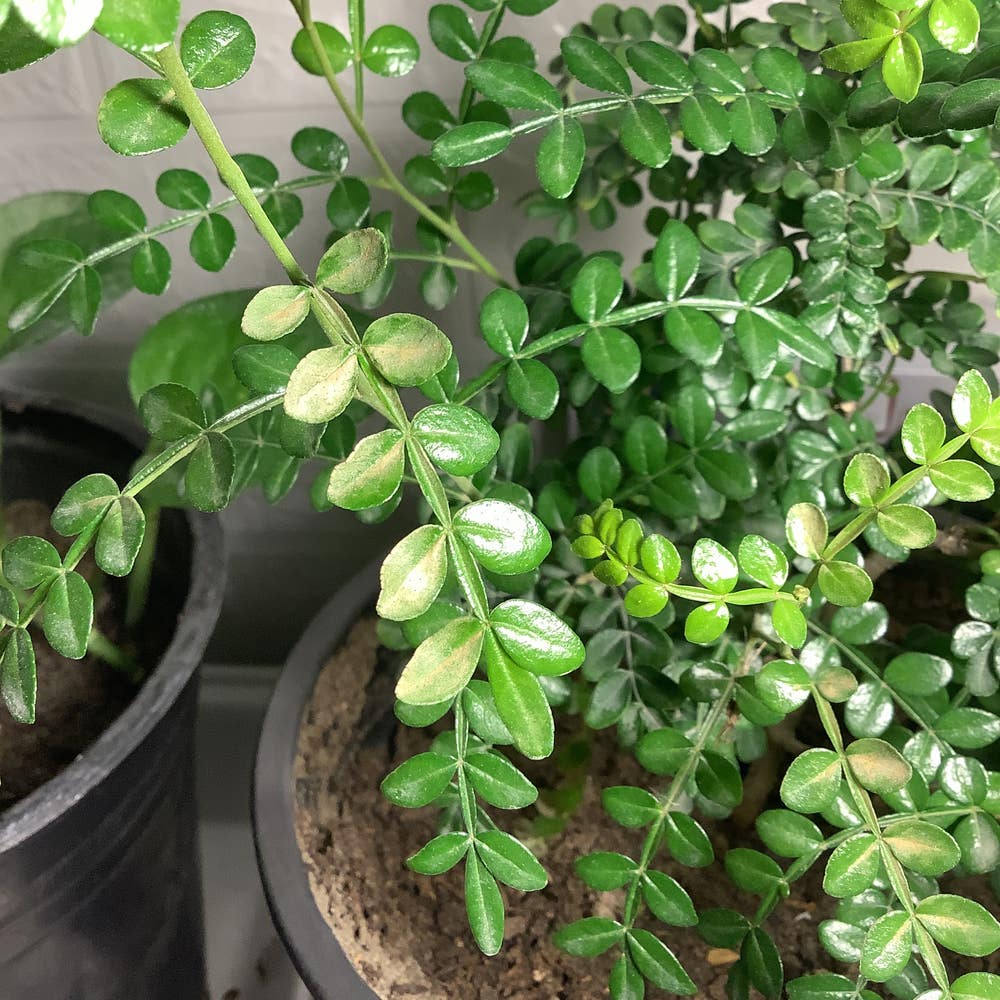
What to Do About Your Zanthoxylum Wilting 💧
Zanthoxylum ekmanii
By the Greg Editorial Team
Nov 26, 2024•6 min read
This article was created with the help of AI so we can cover more plants for you. May contain errors. See one? Report it here.
- 💧 Wilting in Zanthoxylum is caused by water stress—over or underwatering.
- 🌡️ Heat stress leads to curling leaves; provide shade and humidity for relief.
- 🦠 Check for diseases if sudden leaf drop occurs; remove affected leaves promptly.
Causes of Wilting
🌊 Common Causes
Water Stress
Water stress is a primary culprit behind wilting in Zanthoxylum plants.
- Overwatering can lead to yellowing leaves and root rot, signaling that your plant is drowning.
- Conversely, underwatering manifests as dry, crispy leaves and drooping branches, indicating your plant is thirsty.
Heat Stress
Heat stress can also significantly impact your Zanthoxylum.
- During extreme temperatures, leaves may curl or wilt, struggling to cope with the heat.
- Additionally, insufficient humidity can exacerbate wilting, as dry air makes it harder for the plant to retain moisture.
🌱 Uncommon Causes
Disease-Related Wilting
While less common, disease-related wilting can occur in Zanthoxylum under specific conditions.
Pathogenic wilt is rare but can lead to sudden leaf drop and dark spots on leaves.
It's important to note that environmental factors are far more likely to cause wilting than diseases, so focus on your plant's surroundings first.
Understanding these causes is crucial for effective diagnosis and treatment. Next, we’ll explore how to diagnose wilting in your Zanthoxylum.
Diagnosing Wilting
Step-by-Step Guide 🌱
Diagnosing wilting in your Zanthoxylum is crucial for restoring its health. Start by assessing soil moisture levels; a moisture meter or a simple finger test can help you determine if the soil is too dry or too wet.
Next, check the environmental conditions. Evaluate the temperature and humidity levels around your plant, as these factors significantly influence its well-being.
Inspect the leaves and stems for any signs of pests or disease. Look closely for unusual spots, discoloration, or any other abnormalities that could indicate a problem.
Finally, evaluate your watering habits. Review how often and how much you’ve been watering to identify any inconsistencies that might be contributing to the wilting.
Signs to Look For 👀
Pay attention to leaf color changes, such as yellowing or browning, which can signal distress.
Also, observe the leaf texture; crispy or mushy leaves can indicate water stress or disease.
Don’t forget to check the stem condition as well. Soft or discolored stems may suggest underlying issues that need immediate attention.
By following these steps and recognizing these signs, you can effectively diagnose the cause of wilting in your Zanthoxylum and take appropriate action to revive it.
Next, let’s explore some actionable solutions to address the wilting and restore your plant’s vitality.
Solutions for Wilting
🌊 Actionable Advice for Water Stress
For Overwatering
If your Zanthoxylum is wilting due to overwatering, the first step is to allow the soil to dry out completely before watering again. This helps prevent root rot, which can be detrimental to your plant's health.
To improve drainage, consider repotting your plant in well-draining soil. This will help excess water escape and keep the roots healthy.
For Underwatering
In cases of underwatering, water your plant thoroughly until moisture drains from the bottom of the pot. This ensures that the roots receive adequate hydration.
Establishing a consistent watering schedule is crucial. Regular checks on soil moisture can help you avoid future wilting.
☀️ Actionable Advice for Heat Stress
Providing Shade
During peak sun hours, provide shade for your Zanthoxylum. This can prevent leaf curling and wilting caused by excessive heat.
Increasing Humidity
To combat heat stress, increase humidity around the plant. You can use a humidifier or a pebble tray filled with water to create a more favorable environment.
Monitoring Temperature
Keep an eye on temperature fluctuations. Adjust the plant's placement as needed to maintain a stable environment.
🦠 Addressing Disease-Related Wilting
If you suspect disease is the culprit behind your plant's wilting, start by removing any affected leaves and stems. This helps prevent the spread of pathogens.
Though rare in Zanthoxylum, if necessary, use appropriate fungicides or treatments. Always follow the instructions carefully to ensure the best results.
By addressing these common causes of wilting, you can help your Zanthoxylum thrive once again. Next, let’s explore preventive measures to minimize future wilting issues.
Preventive Measures
Tips to Minimize Future Wilting 🌱
To keep your Zanthoxylum thriving, regularly check the soil moisture. Adjust your watering practices based on the plant's needs to avoid both overwatering and underwatering.
Next, monitor the environmental conditions around your plant. Small adjustments can make a big difference in preventing wilting.
Fertilizing appropriately is also crucial. A balanced fertilizer can promote healthy growth and resilience against stressors.
Environmental Adjustments 🌍
Positioning your plant wisely is key. Ensure it receives adequate light and airflow to thrive.
Soil care is equally important. Using a well-draining potting mix will help prevent waterlogging, which can lead to root rot and other issues.
By implementing these preventive measures, you can significantly reduce the risk of wilting in your Zanthoxylum. This proactive approach not only enhances the plant's health but also sets the stage for vibrant growth.
Next, let’s explore how to revive a wilted plant effectively.
Reviving a Wilted Plant
🌊 Techniques for Bottom Watering
Bottom watering is a gentle way to hydrate your Zanthoxylum. Start by filling a tray with water and placing the pot in it for about 30 minutes.
This method allows the plant to absorb moisture from the bottom, encouraging healthy root growth and preventing overwatering.
🌍 Relocating to a Suitable Environment
Sometimes, a change of scenery can work wonders. Move your plant to a location with more stable temperature and humidity levels.
Be cautious with sudden changes; acclimating the plant gradually helps it adjust without added stress.
✂️ Pruning Damaged Leaves
Pruning is essential for reviving a wilted plant. Use clean, sharp pruning shears to remove any wilted or damaged leaves.
This not only improves the plant's appearance but also promotes new growth by trimming back to healthy tissue.
Taking these steps can significantly enhance your plant's chances of recovery. If you notice persistent wilting despite your efforts, it may be time to explore further solutions.
When to Seek Help
Signs Indicating the Need for Assistance 🌱
If your Zanthoxylum continues to wilt despite your best efforts, it may be time to seek help. Persistent wilting can indicate deeper issues that require professional insight.
Look for signs of severe pest infestations, such as webbing or visible bugs on the leaves. Additionally, any symptoms of disease, like dark spots or sudden leaf drop, warrant immediate attention.
If you're feeling uncertain about proper care techniques, don't hesitate to reach out for assistance. Sometimes, a fresh perspective can make all the difference in reviving your plant.
Resources for Assistance 🛠️
Local nurseries can be a treasure trove of expert advice and plant care tips. Their staff often have hands-on experience and can provide tailored solutions for your specific situation.
Engaging with the plant care community online is another great option. Forums and social media groups are filled with fellow plant enthusiasts who share their experiences and solutions, creating a supportive environment for learning and growth.
As you navigate the challenges of caring for your Zanthoxylum, remember that seeking help is a sign of dedication, not defeat. With the right resources, you can turn your wilting plant around and foster a thriving green companion.
⚠️ Safety First
This content is for general information and may contain errors, omissions, or outdated details. It is not medical, veterinary advice, or an endorsement of therapeutic claims.
Always consult a qualified healthcare professional before using any plant as food, medicine, or supplement.
Never eat any plant (or feed one to pets) without confirming its identity with at least two trusted sources.
If you suspect poisoning, call Poison Control (800) 222-1222, the Pet Poison Helpline (800) 213-6680, or your local emergency service immediately.
Spotted an error? Please report it here.
Keep your Zanthoxylum thriving 🌱 by using Greg's tailored watering reminders and expert community support to tackle wilting issues head-on!