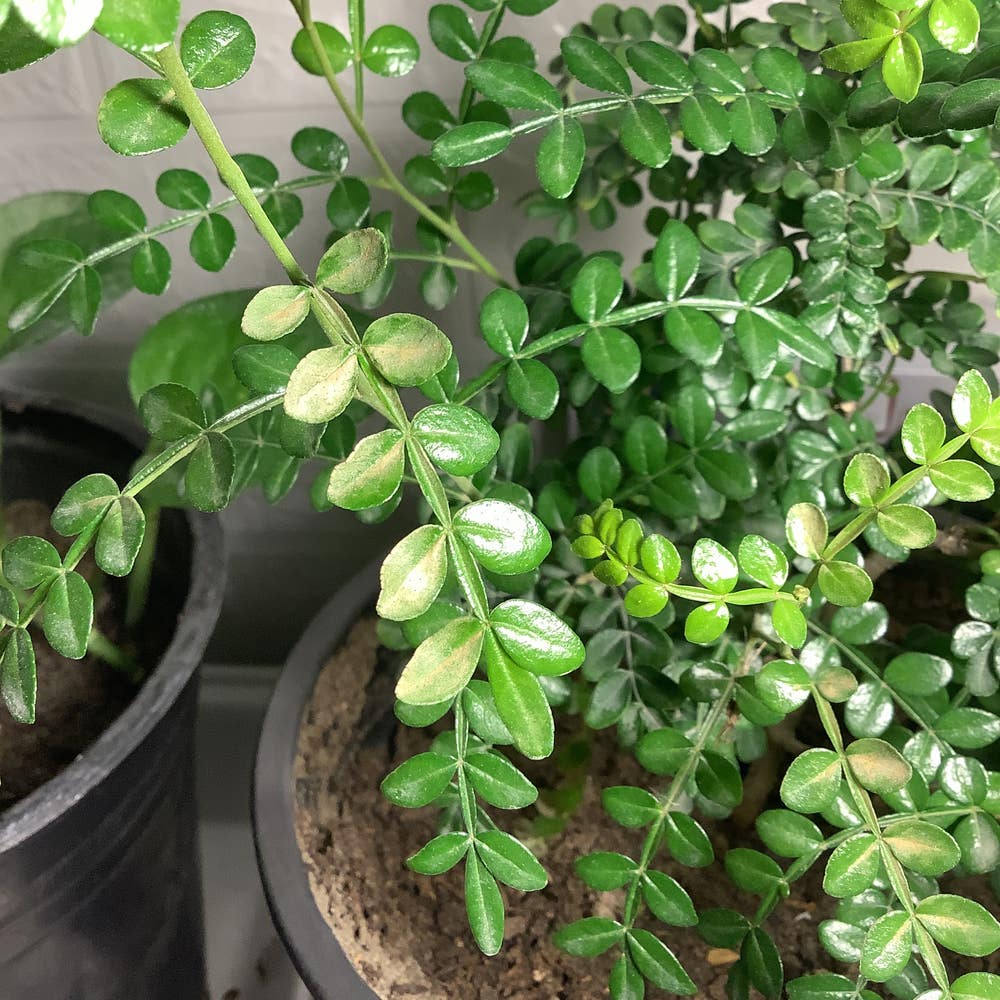
Top 4 Pot Options to Make Your Zanthoxylum Thrive 🪴
Zanthoxylum ekmanii
By the Greg Editorial Team
Jan 06, 2025•5 min read
This article was created with the help of AI so we can cover more plants for you. May contain errors. See one? Report it here.
- 🌱 Choose 4-6 inch pots for seedlings and 12-18 inches for mature Zanthoxylum.
- 🕒 Repot every 1-2 years when roots show through drainage holes for optimal growth.
- 💧 Ensure drainage holes are at least 1/2 inch to prevent root rot.
Importance of Pot Size for Growth Stages
🌱 Seedlings and Young Plants
When starting your Zanthoxylum, choose a container that is 4-6 inches in diameter. This smaller size encourages root establishment and helps prevent overwatering, which is crucial for young plants.
🌳 Mature Plants
As your Zanthoxylum matures, it will need more space. For larger species, opt for a pot that is 12-18 inches in diameter to allow for adequate root expansion and nutrient uptake.
🔄 Transitioning Between Sizes
Knowing when to transition your plant to a larger pot is key. Move up one size when you see roots beginning to show through the drainage holes, typically every 1-2 years as the plant matures.
This gradual increase in pot size supports healthy growth and ensures your Zanthoxylum thrives. Now that you understand the importance of pot size, let’s explore the ideal pot materials for your plant.
Ideal Pot Materials
Choosing the right pot material is crucial for the health of your Zanthoxylum. Each option has its unique benefits and drawbacks that can impact your plant's growth.
🏺 Clay Pots
Clay pots are a favorite among plant enthusiasts for their excellent breathability and moisture regulation. They allow air to circulate through the soil, promoting healthy root development.
However, they do come with some downsides. Clay pots are heavier than other materials and can crack in extreme temperatures, which might not be ideal for every gardener.
🪴 Plastic Pots
On the other hand, plastic pots are a practical choice. They are lightweight, affordable, and come in a variety of sizes, making them accessible for all types of gardeners.
Yet, they have their limitations. Plastic pots are less breathable than clay, which can lead to moisture retention and potentially harm your plant's roots if not monitored closely.
🌱 Other Materials
Ceramic pots offer an aesthetic appeal that can enhance your plant display. They are often beautifully designed but can be heavy, so ensure they have drainage holes to prevent water accumulation.
Biodegradable pots are an eco-friendly option, especially for seedlings. However, they may not last long-term, so consider their lifespan when planning your planting strategy.
In summary, the choice of pot material can significantly influence your Zanthoxylum's health. Select wisely based on your gardening style and the specific needs of your plants.
Next, let’s explore the role of drainage holes in maintaining a thriving plant environment.
Role of Drainage Holes
Importance of Drainage for Health 🌱
Drainage holes are vital for the health of your Zanthoxylum. They prevent root rot, a common issue that arises when excess water accumulates, suffocating the roots.
For optimal water flow, ensure your pots have drainage holes that are at least 1/2 inch in diameter. This size allows for adequate drainage, keeping your plant's roots healthy and happy.
Assessing Pot Drainage 🔍
To assess whether your pot has proper drainage, start with a visual inspection. Look for multiple holes at the bottom; this is crucial for effective water management.
Next, test the drainage by watering the pot and observing how quickly excess water drains out. If it takes too long, your pot may not be suitable for your Zanthoxylum's needs.
Understanding the role of drainage holes is essential for nurturing your plants. With the right setup, you can help your Zanthoxylum thrive and flourish.
As you consider pot options, remember that the right materials and drainage will set the stage for successful growth. Let's explore the ideal pot materials next!
When to Repot
Signs That a New Pot is Needed 🌱
Recognizing when your Zanthoxylum needs a new pot is crucial for its health. Look for roots emerging through the drainage holes; this is a clear sign that your plant has outgrown its current home.
Stunted growth is another indicator. If your plant isn't showing new growth despite proper care, it may be time for a larger pot. Additionally, check the soil; if it appears compacted or depleted of nutrients, a repotting is in order.
Timing for Repotting ⏰
The best time to repot your Zanthoxylum is in the spring, during its active growing season. This timing helps the plant adjust more easily to its new environment.
In general, plan to repot every 1-2 years, depending on the growth rate and pot size. Keeping an eye on these factors will ensure your plant continues to thrive in its new pot.
Step-by-Step Guide to Repotting
Repotting your Zanthoxylum is a crucial process that ensures its health and growth. Follow these steps to make the transition smooth and stress-free for your plant.
1. Prepare the New Pot 🌱
Start by selecting a new pot that has adequate drainage holes. The size should be appropriate for your plant's current growth stage.
2. Water the Plant 💧
Moisten the soil in the current pot before repotting. This helps reduce stress on the plant and makes it easier to remove.
3. Remove the Plant 🌿
Gently slide the plant out of its current pot. Be careful not to damage the roots during this process.
4. Inspect the Roots 🔍
Take a moment to inspect the roots for any damage or rot. Trim away any unhealthy roots before placing the plant in the new pot.
5. Add Fresh Soil 🌍
Fill the new pot with well-draining soil that is suitable for Zanthoxylum. This provides a fresh environment for your plant to thrive.
6. Position the Plant 🪴
Center the plant in the new pot. Fill in around the roots with soil, ensuring it is secure but not overly compacted.
7. Water Thoroughly 🚿
Finally, water the plant thoroughly. Ensure the soil is evenly moist but avoid waterlogging, which can lead to root rot.
Repotting can seem daunting, but with these steps, you’ll set your Zanthoxylum up for success. Next, let’s explore the signs that indicate when it’s time to repot your plant.
⚠️ Safety First
This content is for general information and may contain errors, omissions, or outdated details. It is not medical, veterinary advice, or an endorsement of therapeutic claims.
Always consult a qualified healthcare professional before using any plant as food, medicine, or supplement.
Never eat any plant (or feed one to pets) without confirming its identity with at least two trusted sources.
If you suspect poisoning, call Poison Control (800) 222-1222, the Pet Poison Helpline (800) 213-6680, or your local emergency service immediately.
Spotted an error? Please report it here.
Choose the perfect pot for your Zanthoxylum 🌱, and let Greg guide you with tailored reminders and tips to keep your plant thriving!