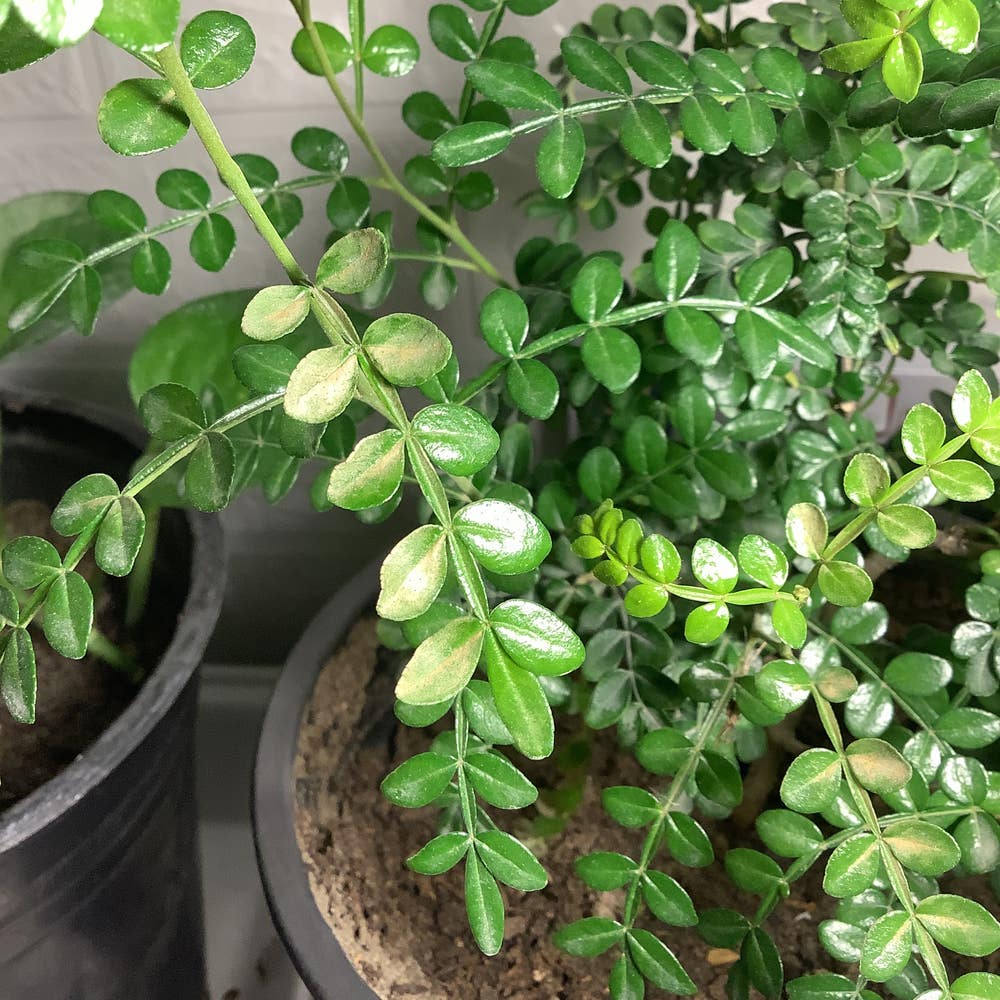
Good Temperature Range for Your Zanthoxylum 🌡️
Zanthoxylum ekmanii
By the Greg Editorial Team
Nov 26, 2024•2 min read
This article was created with the help of AI so we can cover more plants for you. May contain errors. See one? Report it here.
- 🌡️ Optimal Zanthoxylum temperature is 60°F to 85°F (15°C to 29°C) for healthy growth.
- ❄️🔥 Cold and heat stress symptoms include wilting, leaf drop, and curling edges.
- 📈 Regular temperature monitoring prevents stress and promotes thriving Zanthoxylum plants.
Temperature Requirements
Optimal Temperature Range for Growth 🌡️
For your Zanthoxylum, the ideal temperature range is between 60°F to 85°F (15°C to 29°C). Different species may have slight variations in their optimal temperatures, so it's essential to know the specific needs of your plant.
Symptoms of Temperature Stress 🌡️
Temperature stress can manifest in various ways.
Signs of Cold Stress
- Wilting leaves: A clear indicator that your plant is struggling.
- Leaf drop: Losing leaves can be a sign of distress.
- Discoloration: Look for yellowing or browning leaves.
Signs of Heat Stress
- Leaf curling: Leaves may curl inward as a defense mechanism.
- Scorched leaf edges: Brown, crispy edges indicate too much heat.
- Stunted growth: Your plant may stop growing altogether.
Causes of Temperature Stress 🌡️
Several factors can lead to temperature stress in Zanthoxylum.
- Sudden temperature changes: Rapid drops or spikes can shock the plant.
- Inadequate acclimatization: Failing to prepare your plant for seasonal shifts can cause issues.
- Poor location choices: Placing your plant in shaded areas during winter or direct sunlight in summer can lead to stress.
Recovery Strategies for Stressed Plants 🌱
If you notice symptoms of temperature stress, take immediate action.
Immediate Actions
- Relocate the plant: Move it to a more suitable environment.
- Adjust watering practices: Ensure your watering routine supports recovery.
Long-term Strategies
- Gradual acclimatization: Slowly introduce your plant to temperature changes.
- Regular monitoring: Keep an eye on temperature conditions to prevent future stress.
Temperature Monitoring and Management 📏
Monitoring temperature is crucial for maintaining plant health.
Tools for Monitoring Temperature
Consider using these recommended tools:
- Digital thermometers: Easy to read and accurate.
- Soil temperature probes: Measure the soil temperature directly.
- Weather stations: Great for outdoor plants, providing comprehensive data.
Best Practices for Maintaining Optimal Temperature 🌿
Creating a conducive environment is key.
- Microclimates: Establish areas that provide the right conditions for your plant.
- Regular adjustments: Check and modify plant placement according to seasonal changes.
Adjusting Care Based on Temperature Changes 🔄
Adapt your care routine to match temperature fluctuations.
- Watering and fertilization: Adjust schedules based on temperature needs.
- Greg plant care app: Use this app for AI-powered reminders to help manage temperature-related care adjustments.
By understanding and managing temperature requirements, you can ensure your Zanthoxylum thrives. Next, let’s explore how to monitor and manage these temperature conditions effectively.
⚠️ Safety First
This content is for general information and may contain errors, omissions, or outdated details. It is not medical, veterinary advice, or an endorsement of therapeutic claims.
Always consult a qualified healthcare professional before using any plant as food, medicine, or supplement.
Never eat any plant (or feed one to pets) without confirming its identity with at least two trusted sources.
If you suspect poisoning, call Poison Control (800) 222-1222, the Pet Poison Helpline (800) 213-6680, or your local emergency service immediately.
Spotted an error? Please report it here.
Keep your Zanthoxylum in its ideal temperature zone 🌡️ by using Greg's tailored reminders to monitor and adjust its environment for thriving growth!