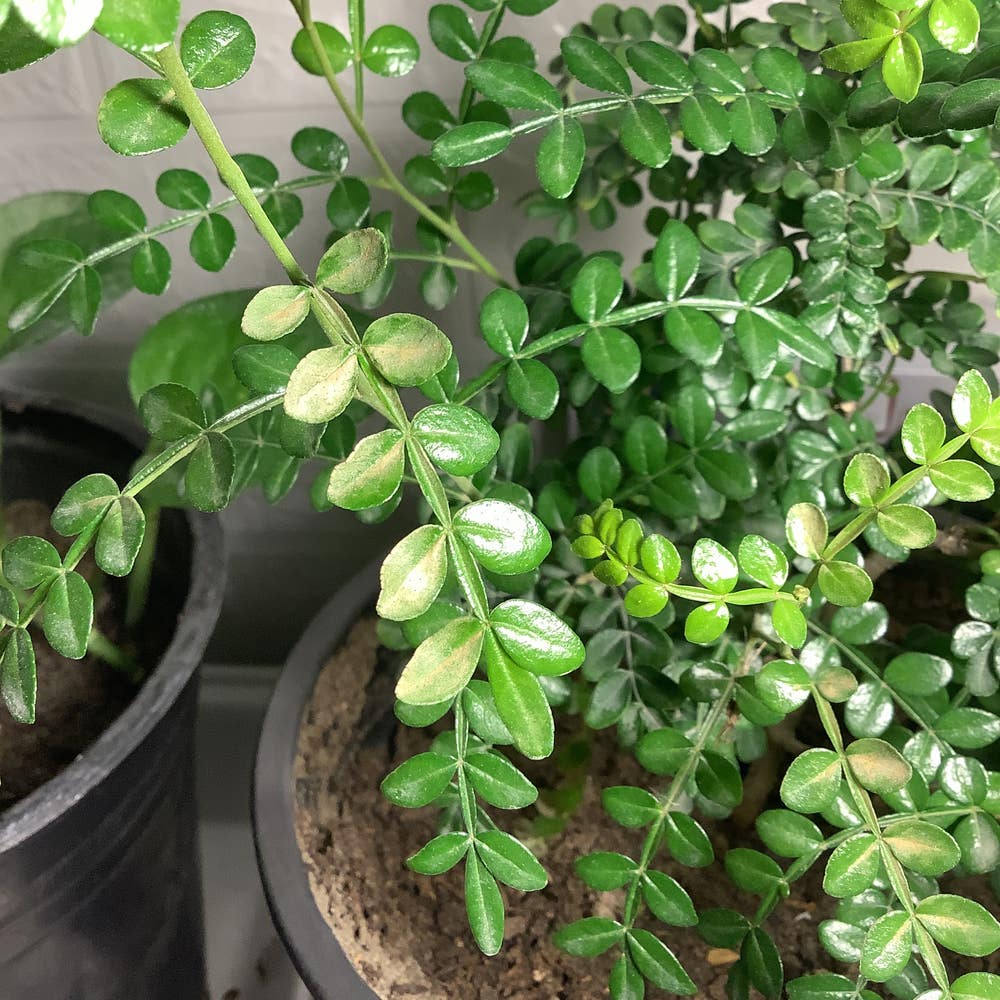
When and Where to Cut Back Your Zanthoxylum ✂️
Zanthoxylum ekmanii
By the Greg Editorial Team
Nov 26, 2024•4 min read
This article was created with the help of AI so we can cover more plants for you. May contain errors. See one? Report it here.
- 🌱 Prune Zanthoxylum in late winter to early spring for optimal growth.
- ✂️ Use sharp tools and clean cuts to promote healing and reduce disease risk.
- 🌼 Tailor pruning techniques to each Zanthoxylum species for best results.
Timing: Best Seasons for Pruning
🌱 Optimal Pruning Seasons
When it comes to pruning Zanthoxylum, timing is everything. The best window for most species is late winter to early spring, just before new growth kicks in. This timing allows the plant to recover quickly and thrive as the growing season begins.
For flowering species, post-bloom pruning is key. By waiting until after blooming, you encourage fresh growth and a more vibrant display in the following season.
📅 Seasonal Considerations
It's crucial to consider the weather when planning your pruning. Avoid tackling this task during extreme temperatures or wet conditions, as these can stress the plant and hinder recovery. Keeping an eye on the forecast can save you from unnecessary setbacks and ensure your Zanthoxylum remains healthy and robust.
With the right timing and conditions, your pruning efforts will set the stage for a flourishing plant. Next, let’s explore the essential tools and techniques that will make your pruning effective and enjoyable.
Tools and Techniques for Effective Pruning
Essential Pruning Tools 🌿
To achieve the best results when pruning your Zanthoxylum, having the right tools is crucial.
- Sharp pruning shears are essential for making clean cuts on smaller branches, ensuring minimal damage to the plant.
- Loppers provide the leverage needed for thicker branches, allowing you to prune with ease.
- For larger, woody stems, a pruning saw is necessary to tackle those more substantial cuts effectively.
Pruning Techniques ✂️
Using the right techniques is just as important as having the right tools.
Always make clean cuts at a 45-degree angle; this promotes healing and reduces the risk of disease.
For larger branches, employ the three-cut method to prevent tearing:
- Start by under-cutting the branch about a foot from the trunk.
- Next, cut down from the top to meet the undercut.
- Finally, remove the stub close to the trunk for a clean finish.
These techniques will help ensure your Zanthoxylum thrives after pruning.
With the right tools and techniques in hand, you're well on your way to maintaining healthy plants.
Next, let’s explore the rationale for deadheading and how it can enhance your gardening efforts.
Differences in Pruning Techniques for Various Species
Specific Needs 🌱
When it comes to pruning Zanthoxylum species, understanding their unique requirements is crucial. For Zanthoxylum piperitum, light pruning is the way to go. This species thrives with minimal intervention, so avoid heavy cuts that could disrupt its natural growth pattern.
In contrast, Zanthoxylum americanum may require a more aggressive approach. This species can benefit from strategic pruning to control its size and encourage a bushier appearance.
Tailoring Techniques ✂️
Tailoring your pruning techniques to each species is essential for optimal health and growth. Consider the growth rate and natural form of the plant when planning your pruning strategy.
For instance, if a species grows rapidly, it might need more frequent pruning sessions. Conversely, slower-growing varieties can often be left alone for longer periods.
By paying attention to these specific needs, you can ensure your Zanthoxylum plants flourish beautifully. This thoughtful approach not only enhances their aesthetic appeal but also promotes overall vitality.
As you refine your pruning techniques, keep in mind the upcoming section on common mistakes to avoid. Understanding these pitfalls will further enhance your pruning skills and plant care.
Common Mistakes to Avoid
Over-Pruning 🌿
Over-pruning is a common pitfall that can lead to significant stress for your Zanthoxylum. This stress often results in shock and a noticeable reduction in flowering, leaving your plant looking less vibrant.
To avoid this, prune gradually over several seasons. This approach allows your plant to adapt and thrive without the shock of drastic cuts.
Ignoring Seasonal Timing ⏰
Another mistake is ignoring the seasonal timing for pruning. Pruning at the wrong time can hinder growth and affect the overall health of your plant.
To ensure your Zanthoxylum flourishes, follow the seasonal guidelines specific to each species. This attention to timing will help you achieve the best results and keep your plants healthy.
By being mindful of these common mistakes, you can enhance the beauty and vitality of your Zanthoxylum. Next, let’s explore the differences in pruning techniques for various species to tailor your approach effectively.
⚠️ Safety First
This content is for general information and may contain errors, omissions, or outdated details. It is not medical, veterinary advice, or an endorsement of therapeutic claims.
Always consult a qualified healthcare professional before using any plant as food, medicine, or supplement.
Never eat any plant (or feed one to pets) without confirming its identity with at least two trusted sources.
If you suspect poisoning, call Poison Control (800) 222-1222, the Pet Poison Helpline (800) 213-6680, or your local emergency service immediately.
Spotted an error? Please report it here.
Transform your Zanthoxylum into a vibrant masterpiece 🌿 by using Greg's tailored pruning reminders and expert tips to ensure you cut at the perfect time!