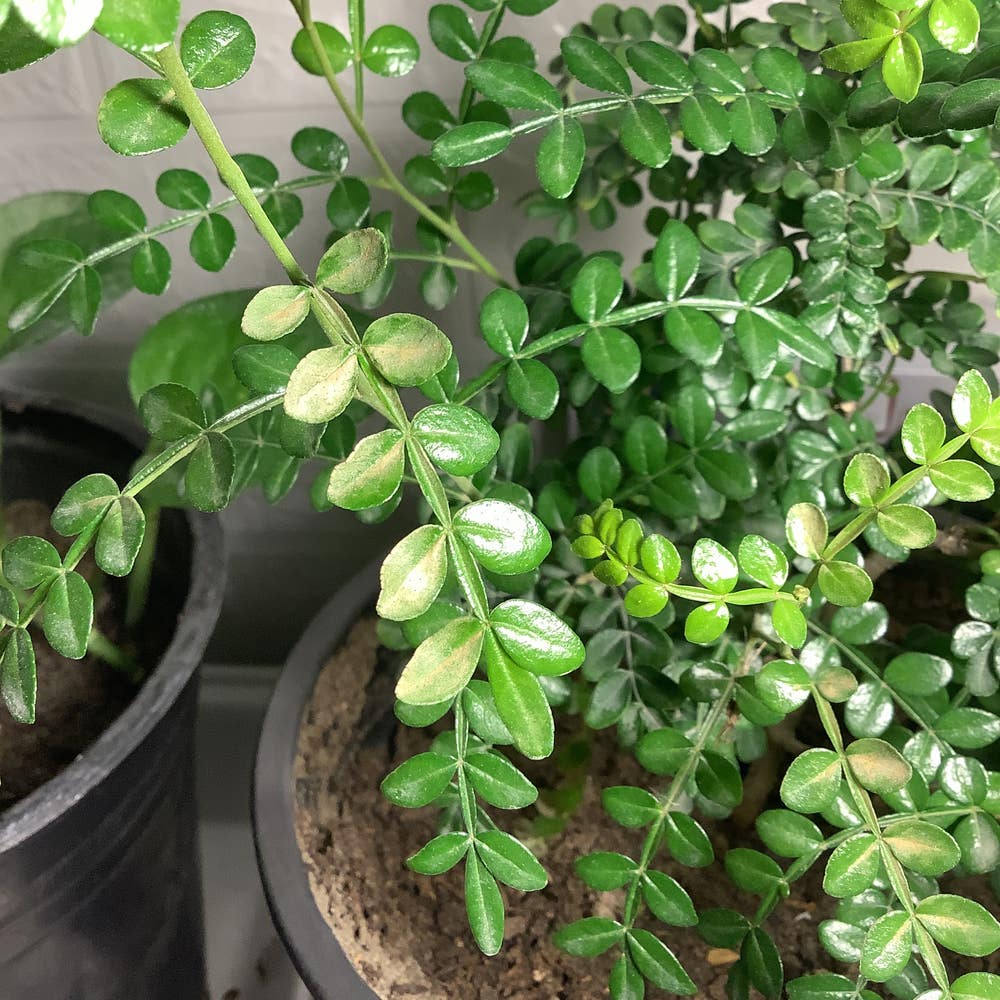
Optimal Hardiness Zones for Zanthoxylum: 9a-11b ☀️
Zanthoxylum ekmanii
By the Greg Editorial Team
Nov 26, 2024•6 min read
This article was created with the help of AI so we can cover more plants for you. May contain errors. See one? Report it here.
- 🌡️ Zanthoxylum thrives in zones 9a-11b, tolerating temperatures from 20°F to 100°F.
- 🌱 Well-drained soil and balanced moisture are crucial for healthy Zanthoxylum growth.
- 🌍 Microclimates enhance growth, allowing Zanthoxylum to thrive beyond typical hardiness zones.
Zanthoxylum Temperature Tolerance
❄️ Cold Tolerance Specifics
Zanthoxylum species exhibit impressive cold tolerance, with the ability to withstand minimum temperatures as low as 20°F (-6°C). This resilience allows them to thrive in regions that experience occasional frost, making them a viable option for gardeners in cooler climates.
Frost tolerance is crucial for Zanthoxylum growth, as it influences the plant's ability to survive winter conditions. Understanding this tolerance helps gardeners plan their planting schedules and protect their plants during colder months.
🔥 Heat Tolerance Specifics
On the flip side, Zanthoxylum can thrive in heat, with maximum temperature tolerances reaching up to 100°F (38°C). This heat tolerance is essential for regions that experience scorching summers, ensuring that the plants remain healthy and productive.
In areas with high summer temperatures, Zanthoxylum's ability to endure heat becomes vital. It allows these plants to flourish while other species may struggle, making them a resilient choice for warmer climates.
🌡️ Temperature Ranges for Optimal Growth
For optimal growth, Zanthoxylum species prefer a temperature range between 60°F and 85°F (15°C to 29°C). This range supports vigorous growth and flowering, ensuring that the plants reach their full potential.
Temperature significantly impacts the growth stages of Zanthoxylum. During warmer months, the plants actively grow, while cooler temperatures can slow down their development. Understanding these dynamics helps gardeners create the best conditions for their Zanthoxylum plants.
With a solid grasp of Zanthoxylum's temperature tolerances, you can now explore the ideal regions for cultivating these remarkable plants.
Ideal Regions for Growing Zanthoxylum
🌍 Examples of US States in Suitable Zones
Zanthoxylum thrives in several US states that fall within hardiness zones 9a to 11b. Key states include Florida, California, and Texas, where the climate supports its growth.
In Florida, regions like South Florida offer warm temperatures and ample moisture. California's coastal areas, particularly around Los Angeles, provide a Mediterranean climate ideal for Zanthoxylum. Texas, especially in the southern parts, also presents favorable conditions for this plant.
🌱 Factors Contributing to Ideal Growing Conditions
The success of Zanthoxylum cultivation hinges on specific soil types, moisture levels, and rainfall patterns. Well-drained soils are crucial, as Zanthoxylum does not tolerate waterlogged conditions.
Moisture levels should be balanced; too much can lead to root rot, while too little can stunt growth. Rainfall patterns in these regions typically provide enough water, but supplemental irrigation may be necessary during dry spells.
☀️ Climate Characteristics of Suitable Regions
Ideal growing regions for Zanthoxylum feature warm temperatures, moderate humidity, and consistent rainfall. These conditions foster healthy growth and flowering.
Seasonal variations play a significant role in Zanthoxylum's development. Warm summers promote vigorous growth, while mild winters allow the plant to rest without extreme cold stress. Understanding these climate characteristics is essential for successful cultivation.
As we explore the next section, we'll delve into the fascinating world of microclimates and how they can enhance Zanthoxylum growth beyond traditional hardiness zones.
Microclimates and Zanthoxylum
🌍 Definition and Significance
Microclimates are localized climate zones that differ from the surrounding areas. They can be influenced by factors such as topography, vegetation, and human activity, making them crucial for gardening and plant cultivation.
Understanding microclimates is essential for growing Zanthoxylum successfully. These unique environments can provide the specific conditions that this plant needs to thrive, even if the broader climate is less than ideal.
🌱 How Microclimates Can Extend Growing Zones
Microclimates can create favorable conditions for Zanthoxylum outside its usual hardiness zones. For instance, areas shielded from wind or those that receive extra sunlight can significantly enhance growth potential.
Several factors contribute to the formation of microclimates, including urban heat islands, which are warmer areas in cities due to human activities. Additionally, sheltered spots like those near buildings or fences can offer protection from harsh weather, benefiting Zanthoxylum.
📈 Examples of Microclimate Effects on Growth
There are numerous case studies showcasing Zanthoxylum thriving in microclimates. For example, in urban gardens, Zanthoxylum has been observed flourishing in warmer, protected spots that would typically be unsuitable.
These plants exhibit specific adaptations to microclimate conditions, such as altered growth patterns and increased resilience to temperature fluctuations. This adaptability allows Zanthoxylum to make the most of its environment, even when faced with challenges.
Understanding microclimates can be a game-changer for gardeners looking to cultivate Zanthoxylum. As we explore the ideal regions for growing this plant, consider how these localized climates can enhance your gardening success.
State-Level Suitability Analysis
🌱 List of US States Suitable for Zanthoxylum
Zanthoxylum thrives in several states across the U.S., particularly those within hardiness zones 9a to 11b. Here’s a comprehensive list of states where you can successfully cultivate Zanthoxylum:
- Florida: The warm, humid climate, especially in southern regions, is ideal for Zanthoxylum growth.
- California: Coastal areas and the southern parts provide the perfect balance of warmth and moisture.
- Texas: Regions like the Gulf Coast offer the heat and humidity that Zanthoxylum loves.
- Louisiana: The subtropical climate supports robust growth, particularly in the southern areas.
- Arizona: While hot, certain regions with adequate irrigation can support Zanthoxylum.
These states provide favorable conditions, but specific regions within them often yield the best results. For instance, southern Florida and the Central Valley in California are particularly noted for their ideal growing environments.
❌ List of US States Unsuitable for Zanthoxylum
On the flip side, some states are not conducive to Zanthoxylum cultivation. Here’s a list of states where Zanthoxylum is unlikely to thrive:
- Alaska: The extreme cold and long winters pose significant challenges.
- North Dakota: Harsh winters and short growing seasons make it unsuitable.
- Minnesota: Similar to North Dakota, the cold climate is a barrier.
- Maine: The northern climate lacks the warmth Zanthoxylum needs.
- Vermont: Cold temperatures and frost can hinder growth.
These states experience climatic conditions that are too extreme for Zanthoxylum, primarily due to prolonged cold spells and insufficient heat during the growing season.
🌡️ Reasons for Suitability or Unsuitability
The suitability of Zanthoxylum in various states hinges on several climatic factors. Key considerations include:
- Temperature: Zanthoxylum requires warm temperatures to thrive. States with milder winters and hot summers are ideal.
- Frost Dates: The first and last frost dates are crucial. States with longer frost-free periods allow for extended growth cycles.
- Humidity and Rainfall: Adequate moisture levels are essential. Regions with consistent rainfall or humidity support better growth.
Understanding these factors helps gardeners make informed decisions about where to plant Zanthoxylum. By choosing the right location, you can ensure a thriving garden filled with this unique plant.
As we explore the next topic, consider how microclimates can further influence Zanthoxylum's growth potential, even in less-than-ideal conditions.
⚠️ Safety First
This content is for general information and may contain errors, omissions, or outdated details. It is not medical, veterinary advice, or an endorsement of therapeutic claims.
Always consult a qualified healthcare professional before using any plant as food, medicine, or supplement.
Never eat any plant (or feed one to pets) without confirming its identity with at least two trusted sources.
If you suspect poisoning, call Poison Control (800) 222-1222, the Pet Poison Helpline (800) 213-6680, or your local emergency service immediately.
Spotted an error? Please report it here.
Cultivating Zanthoxylum in the right hardiness zones is key to success, and with Greg's custom watering reminders 💧, you can keep your plants happy and thriving in any climate!