5 Perfect Spots to Plant Your Sinningia 🥄
Sinningia allagophylla
By the Greg Editorial Team
Nov 23, 2024•4 min read
This article was created with the help of AI so we can cover more plants for you. May contain errors. See one? Report it here.
Master the art of growing Sinningia by discovering their perfect light, drainage, and companion needs! 🌱
- 🌞 Assess sunlight patterns to find ideal spots for your Sinningia plants.
- 🌬️ Protect from strong winds using natural windbreaks like fences or companion plants.
- 🌱 Ensure well-draining soil to prevent root rot; amend if necessary for optimal growth.
Assessing the Best Spot
Evaluating Sunlight and Shade Patterns ☀️
To give your Sinningia the best chance to thrive, start by observing how sunlight moves across your planting area throughout the day. Take note of where shadows fall during peak sunlight hours, as this will help you identify the best spots for your plants.
Don't forget to consider seasonal changes. Tree leaves and nearby structures can significantly affect light availability, so keep an eye on how these elements shift throughout the year.
Understanding Microclimates 🌤️
Microclimates are fascinating! These small areas can have different climate conditions than the surrounding environment, impacting how your Sinningia grows.
Several factors influence microclimates, including proximity to water, elevation, and the surrounding vegetation. By positioning your Sinningia in warmer, sheltered spots, you can enhance their growth and overall health.
Analyzing Wind Protection Needs 🌬️
Wind protection is crucial for the health of your Sinningia. Strong winds can damage foliage and affect moisture levels, making it essential to consider this aspect when choosing a planting spot.
Identify potential windbreaks like fences, walls, or other plants that can shield your Sinningia from harsh winds. Positioning them in sheltered areas will help minimize wind exposure and create a more favorable growing environment.
With these considerations in mind, you'll be well on your way to finding the perfect spot for your Sinningia. Next, let's dive into the importance of drainage and how it affects your plants' health.
Drainage Considerations
🌱 Importance of Well-Draining Soil
Well-draining soil is crucial for the health of your Sinningia. Poor drainage can lead to root rot and other diseases, jeopardizing your plant's vitality.
To ensure optimal growth, look for soil that has a light, airy texture. This allows excess water to escape, preventing waterlogged conditions that can harm your plants.
If your soil isn't up to par, consider enhancing drainage by incorporating materials like perlite or sand. These additions improve aeration, giving your Sinningia the best chance to thrive.
🚧 Identifying Poor Drainage Areas
Recognizing signs of poor drainage is essential for successful planting. Look for puddles forming after rain or consistently damp soil, which indicate that water isn't draining properly.
You can conduct a simple drainage test by digging a hole and observing how quickly water is absorbed. This will give you a clear picture of your soil's drainage capabilities.
If you discover poor drainage, don't worry—there are solutions. Raised beds can elevate your plants above soggy ground, while amending your soil with organic matter can improve its drainage properties significantly.
By addressing drainage issues, you'll create a healthier environment for your Sinningia to flourish. Next, let's explore the differences between indoor and outdoor planting to find the best home for your plants.
Indoor vs. Outdoor Planting
🌟 Best Indoor Locations for Sinningia
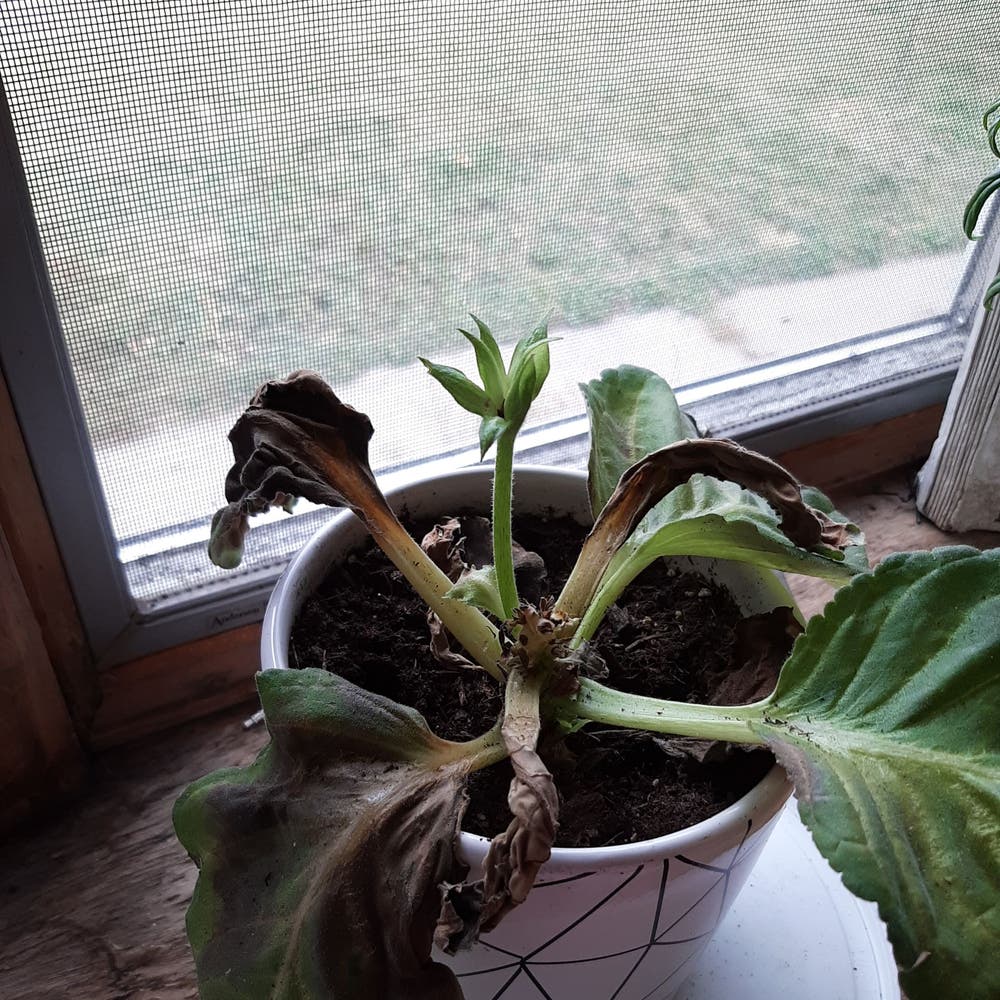
To thrive indoors, Sinningia loves bright, indirect light. Position them near windows or under grow lights to ensure they receive the light they crave.
Avoid placing your Sinningia near drafts, such as air conditioning vents or open windows. These can stress the plant and hinder its growth.
Humidity is another crucial factor for indoor success. Consider using humidity trays or misting your plants regularly to keep moisture levels optimal.
🌳 Outdoor Garden Placement Strategies
When planting outdoors, look for spots that offer filtered sunlight or dappled shade. Sinningia prefers these conditions to flourish without being scorched by direct sunlight.
Seasonal considerations are vital too. Ensure your outdoor placements are protected from frost during cooler months to keep your plants safe and healthy.
Grouping Sinningia with other shade-tolerant plants can enhance your garden's aesthetic appeal. This not only creates a beautiful display but also fosters a supportive environment for your Sinningia.
As you explore the best spots for your Sinningia, remember that both indoor and outdoor placements require careful consideration of light, humidity, and seasonal changes. Next, let’s dive into the fascinating world of companion planting with Sinningia.
Companion Planting with Sinningia
Suitable Companion Plants 🌿
When planting Sinningia, consider pairing it with ferns, caladiums, and other shade-loving plants. These companions not only thrive in similar conditions but also enhance the overall biodiversity of your garden.
Companion planting offers numerous benefits, including pest deterrence and improved pollination. By grouping Sinningia with plants that share its water and light requirements, you create a harmonious environment that supports healthy growth.
Avoiding Incompatible Neighbors 🚫
While some plants make great companions, others can hinder Sinningia's growth. Avoid aggressive growers or plants that demand high water levels, as they can compete for essential resources.
Signs of incompatibility include stunted growth and yellowing leaves, often due to competition for light, nutrients, or space. To mitigate these issues, consider using barriers or ensuring adequate spacing between plants to promote a thriving garden ecosystem.
Incorporating these strategies will help you create a flourishing environment for your Sinningia. Next, let’s explore the best indoor locations for planting this beautiful species.
⚠️ Safety First
This content is for general information and may contain errors, omissions, or outdated details. It is not medical, veterinary advice, or an endorsement of therapeutic claims.
Always consult a qualified healthcare professional before using any plant as food, medicine, or supplement.
Never eat any plant (or feed one to pets) without confirming its identity with at least two trusted sources.
If you suspect poisoning, call Poison Control (800) 222-1222, the Pet Poison Helpline (800) 213-6680, or your local emergency service immediately.
Spotted an error? Please report it here.
Maximize your Sinningia's potential by finding the perfect spots for them 🌱—let Greg guide you with tailored advice on light, humidity, and soil to ensure they flourish!