Sinningia Is a Perennial 🌸
Sinningia allagophylla
By the Greg Editorial Team
Nov 23, 2024•7 min read
This article was created with the help of AI so we can cover more plants for you. May contain errors. See one? Report it here.
Unlock vibrant blooms and easy care with Sinningia, the perennial that thrives year after year! 🌸🌱
- 🌱 Sinningia is a perennial, thriving for years with proper care and conditions.
- 🌼 Flowering occurs from late spring to early fall, enhancing garden beauty.
- 🌍 Adaptable to various climates, Sinningia suits both novice and experienced gardeners.
Characteristics of Sinningia as a Perennial
Multi-Year Lifecycle 🌱
Sinningia exhibits a fascinating multi-year lifecycle that includes four distinct stages: emergence, growth, dormancy, and regrowth. Each stage plays a crucial role in the plant's overall health and productivity.
- Emergence: This stage typically occurs in early spring when the plant breaks through the soil, signaling the start of its active growth period.
- Growth: Following emergence, Sinningia enters a vigorous growth phase that lasts through late spring and summer. During this time, it develops lush foliage and prepares for flowering.
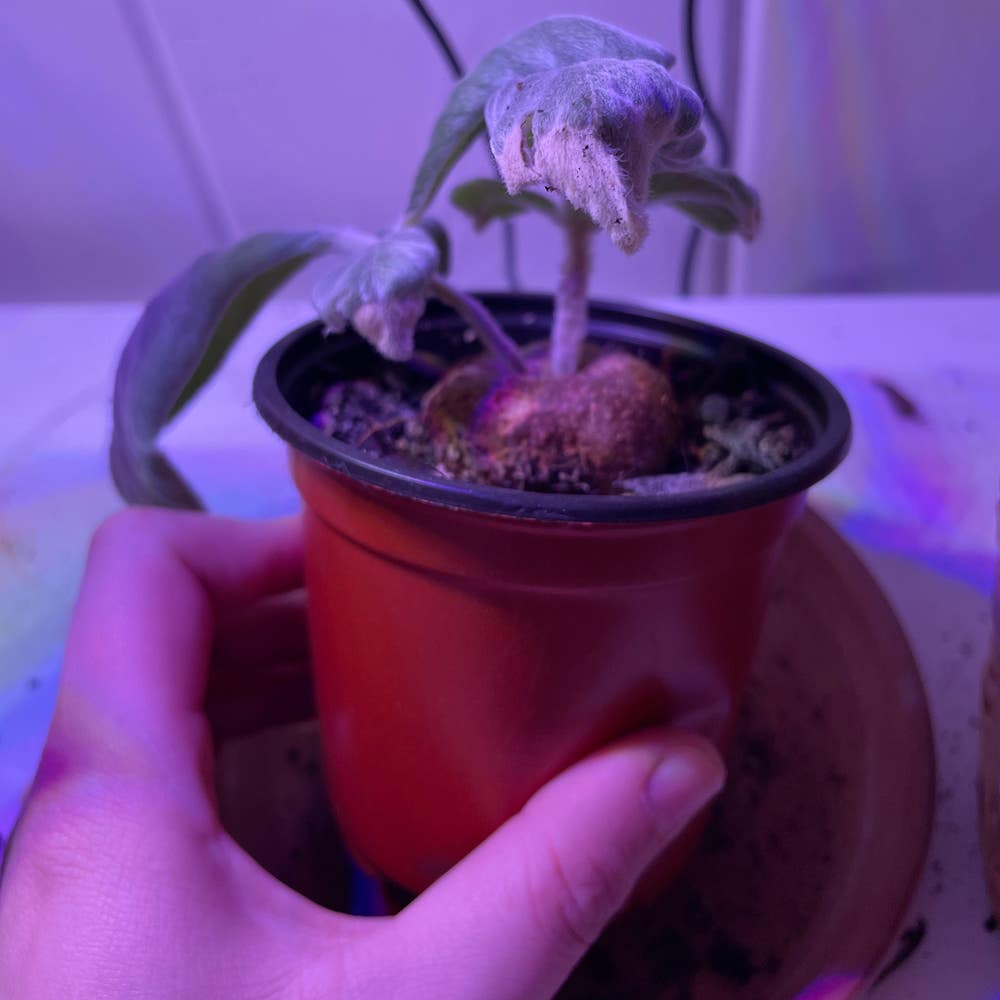
- Dormancy: As temperatures drop in fall, Sinningia transitions into dormancy. This phase can last several months, during which the plant conserves energy and resources.
- Regrowth: With the arrival of spring, Sinningia awakens from dormancy, ready to start the cycle anew.
The timeline for these phases can vary based on climate, but generally, you can expect emergence in March, growth from April to August, dormancy from September to February, and regrowth starting in March.
Growth Patterns and Regrowth 🌿
Sinningia's growth patterns are heavily influenced by its robust root system, which serves as a reservoir for nutrients and stability. This adaptability allows the plant to thrive in various conditions.
- Nutrient Storage: The roots store essential nutrients, enabling Sinningia to bounce back quickly after dormancy. This characteristic is vital for its long-term survival.
- Influencing Factors: Several factors impact Sinningia's growth patterns, including light, water, and soil conditions. Adequate sunlight promotes healthy foliage, while consistent moisture supports robust growth.
Understanding these dynamics can help gardeners optimize their care for Sinningia, ensuring a vibrant display year after year.
As we explore the flowering and lifespan of Sinningia, we’ll uncover how these growth patterns contribute to its beauty and longevity in the garden.
Flowering and Lifespan
🌸 Flowering Cycles and Longevity Factors
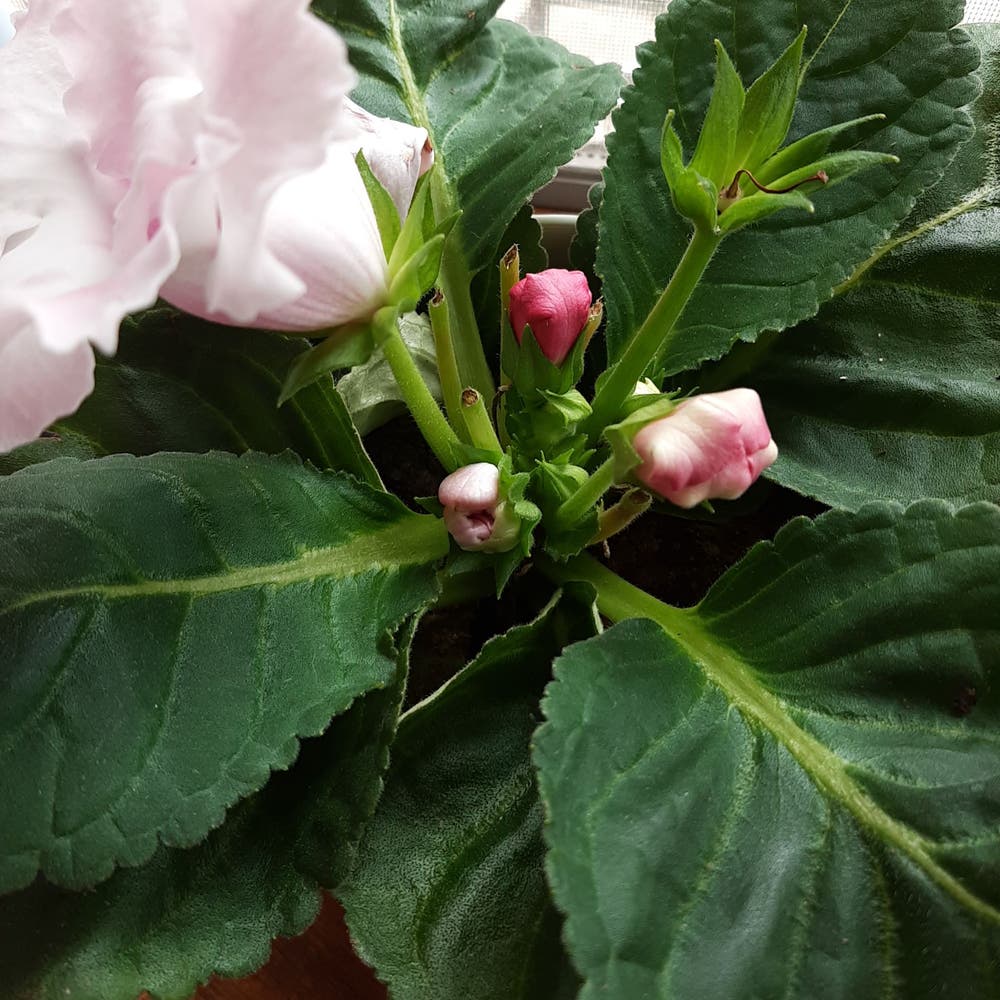
Sinningia is known for its vibrant flowering patterns, typically blooming during the warmer months. Depending on the variety, you can expect these stunning flowers to appear from late spring to early fall, with some species blooming multiple times throughout the season.
On average, Sinningia can thrive for several years as a perennial, often showing peak productivity for about three to five years. However, with proper care, some plants can live even longer, delighting gardeners with their beauty year after year.
Several factors influence the longevity of Sinningia. Healthy soil is crucial; it provides the necessary nutrients for growth. Additionally, climate conditions play a significant role—too much heat or cold can stress the plant, affecting its ability to bloom.
Care practices also impact how long your Sinningia will flourish. Regular watering, appropriate fertilization, and timely pruning can enhance its lifespan. By paying attention to these elements, you can help ensure that your Sinningia remains a vibrant part of your garden for years to come.
As we explore the next section, we'll delve into the dormancy periods of Sinningia and how seasonal changes affect its growth and flowering.
Dormancy and Seasonal Changes
🌱 Understanding Dormancy in Sinningia
Dormancy is a natural phase in the lifecycle of Sinningia, where the plant temporarily halts its growth. This process occurs primarily to conserve energy during unfavorable conditions, such as extreme temperatures or reduced moisture.
🔍 Identifying Signs of Dormancy
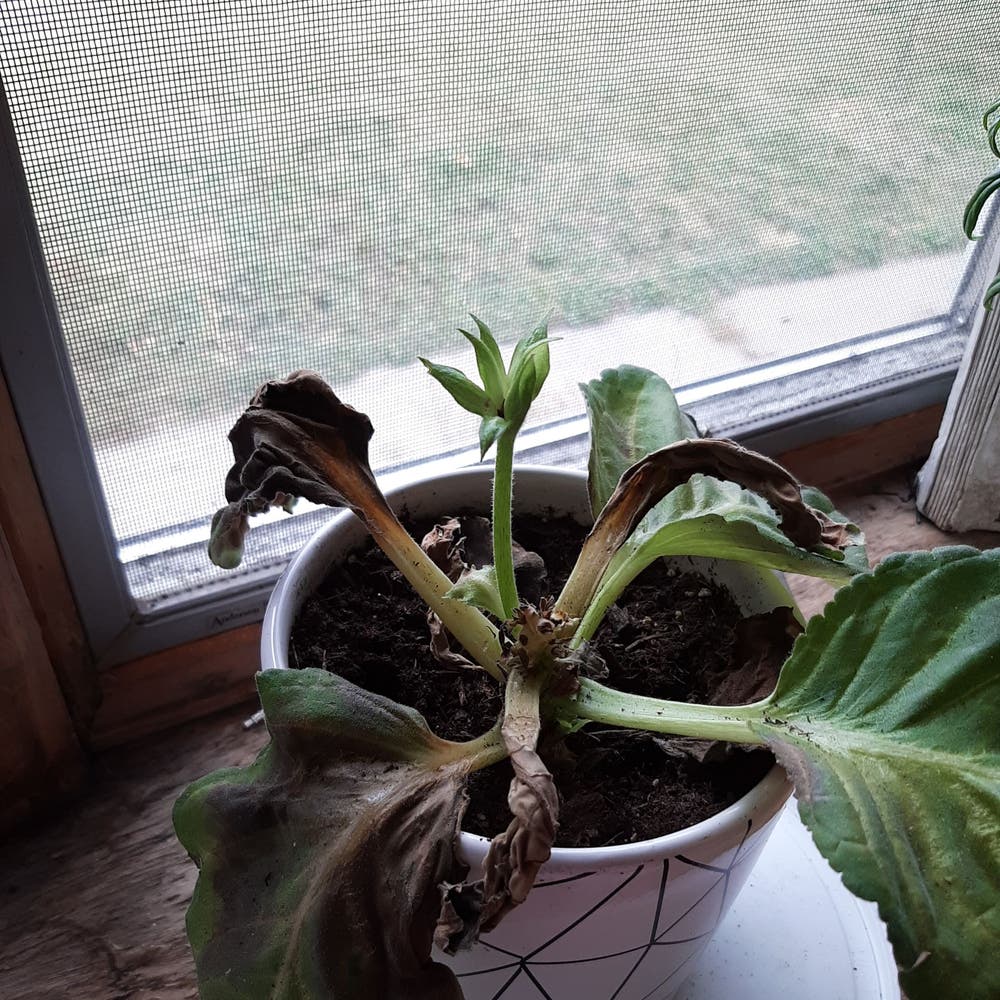
Recognizing when Sinningia is dormant is crucial for proper care. Look for signs such as wilting leaves, a decrease in growth, and a general lack of new blooms. The plant may also appear less vibrant, signaling that it’s resting.
🌦️ Seasonal Changes and Their Effects
Sinningia's growth is significantly influenced by seasonal changes. Temperature fluctuations, variations in light exposure, and moisture levels all play a role in how the plant behaves throughout the year.
❄️ Temperature and Light Variations
During colder months, Sinningia may enter dormancy due to lower temperatures and reduced daylight. Conversely, as spring approaches and temperatures rise, the plant awakens, ready to thrive again.
💧 Moisture Considerations
Moisture levels are equally important. In dry seasons, ensure that Sinningia receives adequate water to support its growth. Too much or too little moisture can disrupt its natural cycles, leading to stress.
Understanding these aspects of dormancy and seasonal changes will help you care for your Sinningia effectively. With the right attention, you can enjoy its beauty year after year.
Next, we’ll explore the advantages of Sinningia's perennial nature and how it benefits gardeners.
Advantages of Sinningia's Perennial Nature
Benefits for Gardeners 🌱
Growing Sinningia as a perennial offers numerous advantages that can simplify gardening efforts. One of the most significant benefits is the reduced need for maintenance and replanting, allowing gardeners to enjoy their blooms year after year without the hassle of starting from scratch.
Established root systems play a crucial role in this ease of care. These roots not only store essential nutrients but also provide stability, helping the plant thrive in various conditions. This means less frequent watering and fertilization, as the plant can draw on its reserves.
Moreover, Sinningia's perennial nature promotes a more sustainable gardening approach. By planting once and allowing the plant to return each season, gardeners can create a vibrant, low-maintenance landscape that flourishes over time.
In addition, the longevity of Sinningia contributes to a more resilient garden. With proper care, these plants can last for several years, providing consistent beauty and enjoyment.
As you consider incorporating Sinningia into your garden, remember that its perennial qualities not only enhance your space but also reduce your workload. This makes it an excellent choice for both novice and experienced gardeners alike.
Transitioning to the next topic, understanding how Sinningia behaves across different climate zones can further enhance your gardening success.
Variations Across Climate Zones
🌍 Sinningia Behavior in Different Climates
Sinningia is remarkably adaptable, thriving in various climate conditions. Whether in tropical, temperate, or arid zones, this perennial exhibits unique growth behaviors that align with its environment.
In tropical climates, Sinningia flourishes with abundant rainfall and warm temperatures. It often produces vibrant blooms year-round, taking advantage of the consistent moisture and sunlight.
Temperate zones present a different challenge. Here, Sinningia experiences distinct seasons, leading to a more defined growth cycle. It typically blooms in spring and summer, entering dormancy during the colder months.
In arid climates, Sinningia has adapted to conserve water. It develops deeper root systems to tap into underground moisture, allowing it to survive longer dry spells while still producing flowers during brief rainy periods.
🌱 Tips for Selecting the Right Sinningia Variety
Choosing the right Sinningia variety for your climate is crucial for success. Here are some tips to guide your selection:
- Tropical Zones: Opt for varieties that thrive in humidity and warmth, such as Sinningia speciosa.
- Temperate Zones: Look for those that can handle seasonal changes, like Sinningia tubiflora, which can adapt to cooler temperatures.
- Arid Zones: Select drought-resistant varieties, such as Sinningia 'Sierra', known for its ability to withstand dry conditions.
Understanding your local climate will help you choose the best Sinningia variety, ensuring a thriving garden that showcases the beauty of this perennial.
As you plan your garden, consider how these climate adaptations can enhance your experience with Sinningia. Next, we’ll explore tips for maximizing the benefits of this perennial in your garden planning.
Maximizing Benefits in Garden Planning
Tips for Long-Term Cultivation 🌱
Cultivating Sinningia as a perennial can be a rewarding experience. To ensure your plants thrive, start with proper soil preparation.
Soil Preparation
Sinningia prefers well-draining soil rich in organic matter. Mixing compost into your garden bed can enhance soil structure and provide essential nutrients.
Watering Practices
Watering is crucial, especially during the growing season. Keep the soil consistently moist but not soggy, as overwatering can lead to root rot.
Fertilization
Regular fertilization supports healthy growth. Use a balanced fertilizer every few weeks during the active growth phase to promote vibrant blooms and robust foliage.
Monitoring Growth Patterns 👀
Observing your Sinningia's growth patterns is key to successful cultivation. Pay attention to changes in leaf color and size, as these can indicate nutrient needs or environmental stress.
Adjust care based on these observations. If your plants show signs of stunted growth, consider modifying your watering schedule or enhancing soil nutrients.
By following these best practices, you can maximize the benefits of growing Sinningia in your garden. This perennial not only adds beauty but also requires less maintenance over time, making it a fantastic choice for any gardener.
As you cultivate Sinningia, keep in mind the unique needs of your local climate. This will help you select the right varieties and ensure your plants flourish year after year.
⚠️ Safety First
This content is for general information and may contain errors, omissions, or outdated details. It is not medical, veterinary advice, or an endorsement of therapeutic claims.
Always consult a qualified healthcare professional before using any plant as food, medicine, or supplement.
Never eat any plant (or feed one to pets) without confirming its identity with at least two trusted sources.
If you suspect poisoning, call Poison Control (800) 222-1222, the Pet Poison Helpline (800) 213-6680, or your local emergency service immediately.
Spotted an error? Please report it here.
Ensure your Sinningia thrives through every season 🌼 by using Greg's tailored watering and fertilization reminders for vibrant blooms and lush foliage!