🔍 Best Tips for Dealing with Brown Spots on Sinningia
Sinningia allagophylla
By the Greg Editorial Team
Nov 23, 2024•5 min read
This article was created with the help of AI so we can cover more plants for you. May contain errors. See one? Report it here.
Safeguard your Sinningia from pests and diseases 🌿 with these vital tips for thriving, vibrant growth!
- 🌱 Brown spots on Sinningia can result from pests, fungi, or bacteria—identify the cause!
- 💧 Adjust watering and humidity to prevent brown spots and promote healthy growth.
- 🧪 Use targeted treatments like fungicides or natural remedies for effective spot management.
Diagnosing the Problem
🐜 Common pests affecting Sinningia
Sinningia plants can fall victim to several pests that threaten their health. Understanding these common pests is crucial for effective management.
Aphids
Aphids are tiny, soft-bodied insects that often cluster on the undersides of leaves. Signs of infestation include curled leaves and a sticky residue known as honeydew, which can lead to sooty mold.
Spider Mites
Spider mites are even smaller and can be hard to spot. Look for fine webbing on the plant and stippled leaves, which indicate damage from their feeding.
Mealybugs
Mealybugs appear as small, white, cottony masses on stems and leaves. Their presence can cause yellowing leaves and stunted growth, making early detection essential.
🦠 Fungal and bacterial infections in Sinningia
In addition to pests, fungal and bacterial infections can cause significant issues for Sinningia. Identifying these problems early can save your plant from severe damage.
Fungal infections
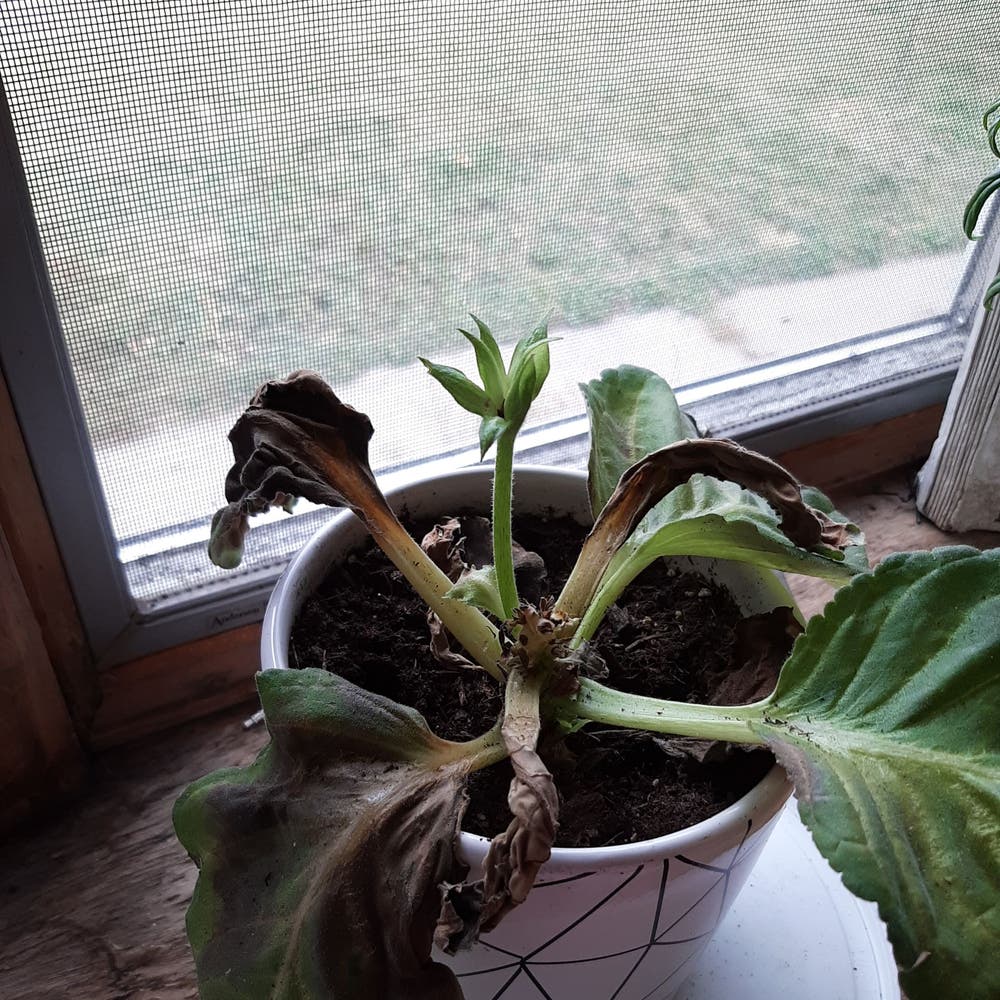
Common fungal diseases, such as powdery mildew and leaf spot, can lead to unsightly brown spots on leaves. Look for fuzzy white patches or dark spots that spread quickly.
Bacterial infections
Bacterial leaf spot manifests as water-soaked spots that eventually turn brown. Managing these infections often involves removing affected leaves and improving air circulation.
Differentiating between fungal and bacterial issues
To distinguish between fungal and bacterial problems, examine the leaf appearance closely. Fungal infections typically present with a more defined edge, while bacterial spots often appear more irregular and diffuse.
By recognizing these pests and infections, you can take proactive steps to protect your Sinningia. Next, we will explore treatment options to address these issues effectively.
Treatment Options
Step-by-step guide to treating brown spots 🌱
Dealing with brown spots on your Sinningia can feel overwhelming, but breaking it down into manageable steps makes it easier. Start by assessing the severity of the problem; inspect the leaves closely to determine the extent of the damage.
Next, adjust your watering practices. Modify the frequency and amount of water based on the soil's moisture level to prevent overwatering, which can exacerbate the issue.
Finally, improve the environmental conditions around your plant. Increasing humidity and adjusting light exposure can create a healthier atmosphere for your Sinningia to recover.
Recommended fungicides and pesticides for Sinningia 🧴
When it comes to treating brown spots, using the right fungicides and pesticides is crucial. Look for specific fungicides that are effective against common fungal infections, such as powdery mildew or leaf spot diseases.
For pest control, consider recommended pesticides that target the specific pests affecting your Sinningia. Always follow the application methods carefully to minimize stress on your plant and ensure effective treatment.
Natural remedies for brown spots on Sinningia 🌿
If you prefer a more natural approach, several remedies can help treat brown spots effectively. Neem oil is a popular choice for pest control; it’s not only effective but also safe for your plant. Apply it according to the instructions on the label for the best results.
Another effective remedy is a baking soda solution. Mix one tablespoon of baking soda with a quart of water and spray it on the affected areas to combat fungal infections.
Lastly, consider using Epsom salt. This simple ingredient can help address nutrient deficiencies, promoting overall leaf health and vitality. Just dissolve a tablespoon in water and apply it to your Sinningia as needed.
With these treatment options, you can tackle brown spots on your Sinningia head-on. Next, let’s explore preventive measures to keep your plant healthy and thriving.
Preventive Measures
🌊 Best watering practices for Sinningia
Watering your Sinningia correctly is crucial for preventing brown spots. During the growing season, aim to water when the top inch of soil feels dry, adjusting frequency based on humidity and temperature.
To avoid overwatering, use a technique called bottom watering. Place the pot in a tray of water and let the soil absorb moisture from the bottom for about 30 minutes. This method encourages healthy root growth and minimizes the risk of root rot.
☀️ Ideal light and temperature conditions
Sinningia thrives in bright, indirect light. Too much direct sunlight can scorch the leaves, while too little light can lead to weak growth and increased susceptibility to pests.
Temperature plays a significant role in the health of your plant. Ideally, keep your Sinningia in a range of 65°F to 75°F (18°C to 24°C) during the day, and slightly cooler at night. This balance promotes vibrant growth and helps prevent stress-related issues.
🌱 Soil and fertilization tips to prevent brown spots
Using well-draining soil is essential for Sinningia. A mix of potting soil, perlite, and orchid bark works wonders, ensuring excess moisture drains away while retaining enough for healthy growth.
Fertilizing your Sinningia every 4-6 weeks during the growing season can prevent nutrient deficiencies. Opt for a balanced, water-soluble fertilizer to support robust foliage and vibrant blooms, keeping your plant in top shape.
By following these preventive measures, you can create an environment that fosters healthy growth and minimizes the risk of brown spots. Next, let’s explore effective treatment options if you encounter any issues with your Sinningia.
⚠️ Safety First
This content is for general information and may contain errors, omissions, or outdated details. It is not medical, veterinary advice, or an endorsement of therapeutic claims.
Always consult a qualified healthcare professional before using any plant as food, medicine, or supplement.
Never eat any plant (or feed one to pets) without confirming its identity with at least two trusted sources.
If you suspect poisoning, call Poison Control (800) 222-1222, the Pet Poison Helpline (800) 213-6680, or your local emergency service immediately.
Spotted an error? Please report it here.
Transform your Sinningia's health and banish those brown spots 🌿 with Greg's tailored care tips and reminders that empower you to tackle pests and optimize watering for vibrant growth!