🌸 Step-by-Step Guide to Pollinating Sinningia
Sinningia allagophylla
By the Greg Editorial Team
Nov 25, 2024•6 min read
This article was created with the help of AI so we can cover more plants for you. May contain errors. See one? Report it here.
Unlock the secrets of self and cross-pollination to cultivate a thriving Sinningia garden! 🌱🌼
- 🌼 Sinningia can self-pollinate, thriving even without external pollinators in tough conditions.
- 🐝 Cross-pollination boosts genetic diversity, resulting in stronger, more resilient plants.
- 🌿 Creating a pollinator-friendly garden attracts bees and hummingbirds, enhancing pollination success.
Self-Pollination vs. Cross-Pollination
🌱 Self-Pollination
Sinningia has a fascinating ability to self-pollinate, which means it can reproduce without needing outside help from pollinators. This unique trait ensures that seed production occurs even when pollinators are absent, making it a resilient choice for gardeners.
The benefits of self-pollination are significant. It guarantees seed production in challenging conditions and helps maintain genetic traits within a stable environment, allowing for consistency in plant characteristics.
🌼 Cross-Pollination
While self-pollination is effective, cross-pollination takes things up a notch by enhancing genetic diversity. This diversity can lead to stronger, more robust plants that are better equipped to handle various environmental challenges.
Key pollinators play a crucial role in this process. Bees are essential as they collect pollen and nectar, transferring pollen between flowers. Hummingbirds also contribute by feeding on nectar, facilitating pollen transfer as they flit from bloom to bloom.
The importance of cross-pollination cannot be overstated. It not only increases fruit and seed production but also introduces genetic variation, which improves resilience to diseases and environmental changes. This makes cross-pollination a vital aspect of Sinningia's reproductive strategy and overall health.
Understanding these two methods of pollination helps gardeners appreciate the complexity of plant reproduction and the importance of supporting both self and cross-pollination in their gardens.
Flower Structure
Description of Flower Parts 🌸
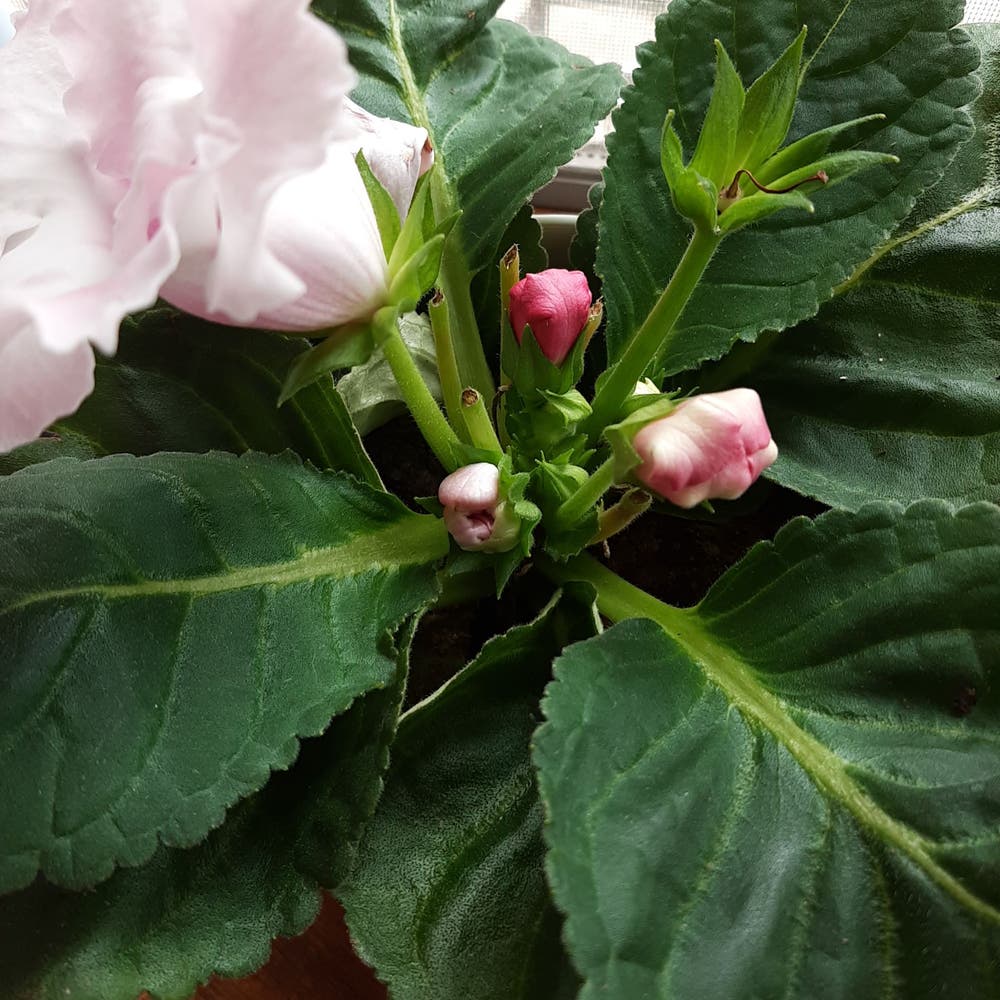
Sinningia flowers are a vibrant spectacle, featuring brightly colored, tubular petals that beckon pollinators. Surrounding these petals are green sepals, which serve as protective leaf-like structures for the flower bud.
The male reproductive parts, known as stamens, are responsible for producing pollen. In contrast, the pistils represent the female reproductive parts, designed to receive pollen and develop seeds.
How Flower Structure Facilitates Pollination 🐝
The unique tubular shape of Sinningia flowers is specifically crafted to attract key pollinators like bees and hummingbirds. This design not only enhances the likelihood of pollination but also ensures that the process is efficient.
Moreover, the strategic arrangement of stamens and pistils within the flower promotes effective pollen transfer. Whether through self-pollination or cross-pollination, this structure plays a crucial role in the reproductive success of Sinningia.
As we delve deeper into the pollination process, understanding the flower's anatomy will help us appreciate the intricate relationships between plants and their pollinators.
Pollination Process
🌼 Mechanisms of Self-Pollination
Sinningia has a fascinating ability to self-pollinate, where pollen moves from the stamens to the pistils within the same flower. This process is particularly effective under warm temperatures and high humidity, which create ideal conditions for successful self-pollination.
Timing is also crucial; when flowers open at the same time as pollen is released, the chances of self-pollination increase significantly. This natural mechanism ensures that Sinningia can reproduce even when pollinators are scarce.
🐝 Role of Pollinators in Cross-Pollination
While self-pollination is effective, cross-pollination brings its own set of advantages. Sinningia employs vibrant colors and sweet nectar to attract various pollinators, including bees and hummingbirds.
Additionally, the production of enticing scents plays a vital role in luring these creatures. This strategy not only enhances genetic diversity but also boosts fruit and seed production, leading to healthier and more resilient plants.
In summary, both self-pollination and cross-pollination are essential for the reproductive success of Sinningia, each contributing uniquely to the plant's lifecycle. As we explore further, we'll delve into the intricacies of hand pollination, a technique that can enhance your gardening efforts.
Hand Pollination
Step-by-Step Instructions for Hand Pollination 🌼
Hand pollination can be a rewarding process, especially when natural pollinators are scarce. Here’s how to do it effectively:
Identify the flower parts: Start by locating the stamens, which are the male parts, and the pistils, the female parts of the flower.
Collecting pollen: Use a small brush or cotton swab to gently tap or brush the stamens. This will gather the pollen you need.
Transferring pollen: Carefully apply the collected pollen to the stigma of the pistil. This step is crucial for successful fertilization.
Timing: For best results, perform hand pollination in the morning when flowers are fully open and most receptive to pollen.
Identifying Male and Female Flower Parts 🌸
Understanding the structure of the flower is key to successful hand pollination.
Male parts (stamens): These are usually more numerous and encircle the central pistil. They produce the pollen needed for fertilization.
Female parts (pistils): Typically found at the center of the flower, these parts are often sticky to effectively catch pollen.
By mastering these steps and recognizing the flower's anatomy, you can enhance the pollination process and support the growth of your Sinningia plants.
As you become more comfortable with hand pollination, you'll find it a valuable skill, especially in environments where natural pollinators are limited. Next, let’s explore how to create a pollinator-friendly environment to support these essential creatures.
Supporting Pollinators
🌼 Creating a Pollinator-Friendly Environment
To support pollinators effectively, plant a diverse range of flowering plants that bloom at different times throughout the year. This strategy ensures a continuous food source, keeping pollinators like bees and hummingbirds well-fed and active.
Additionally, it's crucial to avoid pesticides that can harm these beneficial insects. Opt for natural pest control methods to maintain a healthy ecosystem in your garden.
🐝 Companion Plants to Attract Pollinators
Choosing the right companion plants can significantly enhance your garden's appeal to pollinators. Here are some excellent options:
- Lavender: This fragrant plant attracts bees and butterflies, adding beauty and scent to your garden.
- Marigolds: Not only do they deter pests, but marigolds also draw in beneficial insects, creating a balanced environment.
- Salvia: Known for providing nectar, salvia is a favorite among hummingbirds and bees, making it a must-have in any pollinator-friendly garden.
By incorporating these plants, you can create a vibrant habitat that supports pollinators and enhances the overall health of your garden.
As you nurture this ecosystem, remember that every small effort counts in the grand scheme of supporting our vital pollinator friends. Next, let’s explore the challenges that can arise in the pollination process and how to overcome them.
Pollination Challenges
Common Obstacles to Successful Pollination 🌧️
Pollination can be tricky, with several factors influencing its success. Environmental conditions play a significant role; for instance, temperature fluctuations can disrupt flower opening and affect pollen viability.
Low humidity is another challenge, as it can hinder pollen transfer and germination. Additionally, the lack of pollinators, especially in urban areas, poses a problem due to habitat loss, making it harder for Sinningia to reproduce naturally.
Solutions for Overcoming Pollination Challenges 🌼
To tackle these challenges, consider implementing a diverse planting strategy. By attracting various pollinator species, you can create a more inviting environment for bees, hummingbirds, and other beneficial insects.
Hand pollination techniques are also valuable during periods of low pollinator activity. This method ensures that your plants still have a chance to reproduce, even when natural pollinators are scarce.
Lastly, monitoring environmental conditions is crucial. Adjusting care practices based on temperature and humidity can significantly support healthy pollination and improve your plants' overall success.
With these strategies in place, you can enhance the pollination process and enjoy the vibrant blooms of your Sinningia. Next, let’s explore how to support pollinators in your garden for even better results.
⚠️ Safety First
This content is for general information and may contain errors, omissions, or outdated details. It is not medical, veterinary advice, or an endorsement of therapeutic claims.
Always consult a qualified healthcare professional before using any plant as food, medicine, or supplement.
Never eat any plant (or feed one to pets) without confirming its identity with at least two trusted sources.
If you suspect poisoning, call Poison Control (800) 222-1222, the Pet Poison Helpline (800) 213-6680, or your local emergency service immediately.
Spotted an error? Please report it here.
Boost your Sinningia's pollination success 🌼 with Greg's tailored reminders and tips, ensuring your plants thrive in a pollinator-friendly environment!