🌼 Sinningia Wilting: Causes and Solutions
Sinningia allagophylla
By the Greg Editorial Team
Nov 23, 2024•6 min read
This article was created with the help of AI so we can cover more plants for you. May contain errors. See one? Report it here.
Transform your wilting Sinningia into a thriving beauty 🌿 with these essential care tips and solutions!
- 💧 Wilting in Sinningia often results from water stress—either too much or too little.
- ☀️ Heat stress causes wilting; provide shade during peak sunlight to protect your plant.
- 🌱 Regular monitoring and a consistent watering schedule are essential for Sinningia's health.
Common Causes of Wilting Leaves
💧 Water Stress
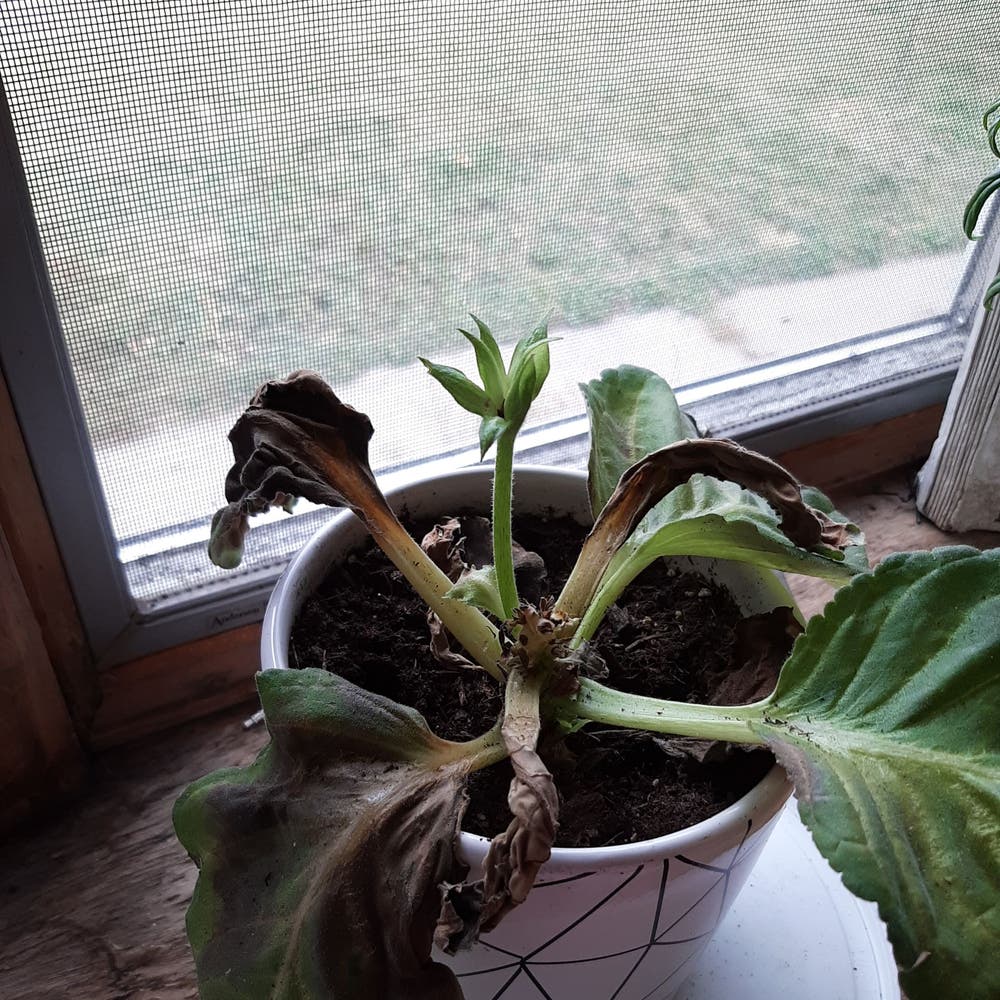
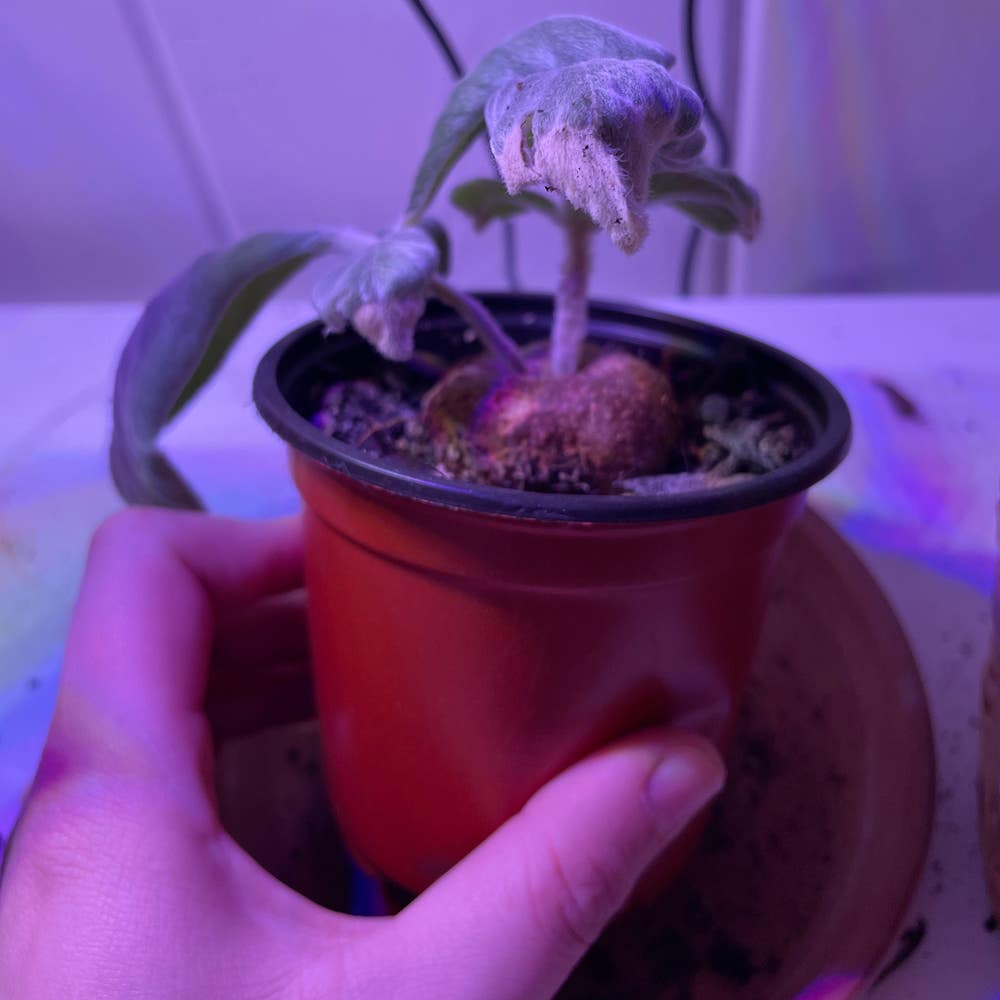
Wilting leaves in Sinningia often signal water stress, manifesting as drooping leaves, dry soil, and leaf curling. This can stem from two main issues: underwatering or overwatering.
Underwatering occurs when the plant isn't watered frequently enough, leading to dry soil that fails to provide necessary moisture. Conversely, overwatering results from poor drainage, which can cause root rot and ultimately harm the plant.
🌡️ Heat Stress
Heat stress is another common culprit behind wilting leaves. Symptoms include wilting during hot weather and browning edges on the leaves.
This condition typically arises from prolonged exposure to direct sunlight or high ambient temperatures without adequate humidity. Both factors can quickly dehydrate your Sinningia, making it crucial to monitor its environment.
🦠 Disease-Related Wilting
While wilting can indicate disease, it's essential to note that pathogenic wilt is unlikely in Sinningia. Instead, signs of disease-related wilting include yellowing leaves and mushy stems.
If you observe these symptoms, it's worth investigating further, but remember that other factors are often at play. Understanding these common causes can help you take proactive steps to keep your Sinningia thriving.
With a solid grasp of these issues, you can move on to diagnosing wilting in your plant effectively.
Diagnosing Wilting in Sinningia
Diagnosing wilting in your Sinningia can feel daunting, but breaking it down into manageable steps makes it easier. Here’s how to get started.
🌱 Assess Soil Moisture
Begin by checking the top inch of soil. If it feels dry, your plant may be underwatered; if it’s soggy, overwatering could be the culprit.
🌡️ Evaluate Environmental Conditions
Next, take a look at the environment. Monitor the temperature and humidity levels where your Sinningia resides to ensure they are within a suitable range.
🐛 Inspect for Pests or Diseases
Don’t forget to inspect the plant itself. Look for any signs of pests or fungal infections on the leaves and stems, as these can contribute to wilting.
🔄 Identify Recent Changes
Finally, consider any recent changes in care. Have you altered your watering routine, light exposure, or temperature? These factors can significantly impact your plant's health.
By following these steps, you can effectively diagnose the cause of wilting in your Sinningia. Once you’ve identified the issue, you’ll be ready to implement the right solutions to revive your plant.
Solutions for Wilting in Sinningia
🌊 Actionable Advice for Each Cause
Addressing Water Stress
Water stress is a common issue for Sinningia plants.
For underwatering, ensure you water thoroughly until excess drains out of the pot. This helps the roots absorb the moisture they need.
If overwatering is the problem, allow the soil to dry out completely before the next watering. If you suspect root rot, consider repotting into fresh, well-draining soil to give your plant a fighting chance.
Addressing Heat Stress
Heat stress can quickly lead to wilting leaves.
To combat this, relocate your Sinningia to a shadier spot during peak sunlight hours. This simple move can protect your plant from harsh rays.
Additionally, increase humidity around the plant by using a humidity tray or misting it regularly. This helps create a more comfortable environment for your Sinningia.
Addressing Disease-Related Wilting
If you suspect disease is causing wilting, act quickly.
Remove any affected leaves to prevent the spread of issues. Treat the plant with appropriate fungicides if necessary to help it recover.
🌱 Techniques for Reviving a Wilted Sinningia
Reviving a wilted Sinningia requires a few effective techniques.
One method is bottom watering. Place the pot in a shallow tray of water for 30 minutes, allowing the roots to absorb moisture from the bottom up.
Another option is temporary relocation. Move the plant to a more suitable environment with stable temperature and humidity to help it bounce back.
Lastly, consider pruning damaged leaves. Use clean, sharp scissors to remove wilted or dead leaves, encouraging new growth and revitalizing your plant.
With these solutions and techniques, you can effectively address wilting in your Sinningia and help it thrive once again.
Next, let’s explore preventive measures to minimize future wilting episodes.
Preventive Measures
Tips to Minimize Future Wilting Episodes 🌱
To keep your Sinningia thriving, establish a consistent watering schedule tailored to its needs. Regularly check the soil moisture to ensure it’s neither too dry nor too soggy.
Monitoring environmental conditions is equally crucial. Sudden changes in temperature or humidity can stress your plant, leading to wilting.
Environmental Adjustments and Care Practices 🌤️
Consider using a moisture meter to accurately gauge soil moisture levels. This handy tool helps you avoid the pitfalls of both underwatering and overwatering.
Providing filtered light is another essential practice. It protects your Sinningia from heat stress while ensuring it receives enough light for healthy growth.
By implementing these preventive measures, you can significantly reduce the chances of wilting in your Sinningia. This proactive approach not only enhances the plant's resilience but also enriches your gardening experience.
With a solid foundation in care, you’ll be well-prepared to tackle any wilting issues that may arise. Next, let's explore the unique characteristics of Sinningia that make it such a fascinating plant to nurture.
Unique Characteristics of Sinningia
🌡️ Sensitivity to Environmental Changes
Sinningia is a plant that thrives on stability. Rapid shifts in temperature or humidity can quickly lead to wilting, making it crucial to maintain a consistent environment.
Understanding these sensitivities is key to effective Sinningia care. A sudden drop in temperature or a spike in humidity can stress the plant, causing it to droop and lose its vibrant appearance.
To keep your Sinningia healthy, monitor its surroundings closely. Small adjustments can make a big difference, ensuring your plant remains lush and thriving.
By being attentive to these unique characteristics, you can foster a more resilient Sinningia that flourishes in your care. This awareness not only enhances your gardening skills but also deepens your connection with this beautiful plant.
As we explore solutions for wilting in Sinningia, remember that a proactive approach to environmental management is essential for long-term success.
When to Seek Help
🚨 Signs That Require Expert Assistance
If your Sinningia is wilting persistently despite your best care efforts, it may be time to seek professional help. Additionally, if you notice severe signs of disease or a pest infestation that seems beyond your control, don’t hesitate to reach out for assistance.
📚 Resources
Local nurseries can be a goldmine for expert advice and plant care products tailored to your needs.
Consider consulting plant experts for personalized guidance that addresses your specific situation.
Online communities, like Greg, offer a supportive space where you can share experiences and gather insights from fellow Sinningia enthusiasts.
These resources can empower you to tackle challenges effectively and keep your Sinningia thriving.
As you navigate the world of plant care, remember that seeking help is a sign of dedication to your plant's health.
⚠️ Safety First
This content is for general information and may contain errors, omissions, or outdated details. It is not medical, veterinary advice, or an endorsement of therapeutic claims.
Always consult a qualified healthcare professional before using any plant as food, medicine, or supplement.
Never eat any plant (or feed one to pets) without confirming its identity with at least two trusted sources.
If you suspect poisoning, call Poison Control (800) 222-1222, the Pet Poison Helpline (800) 213-6680, or your local emergency service immediately.
Spotted an error? Please report it here.
Keep your Sinningia thriving 🌿 by using Greg's personalized watering reminders and moisture monitoring to prevent wilting and ensure a healthy, vibrant plant!