How to Determine When Your Sinningia Needs Water 💧
Sinningia allagophylla
By the Greg Editorial Team
Nov 23, 2024•5 min read
This article was created with the help of AI so we can cover more plants for you. May contain errors. See one? Report it here.
Transform your Sinningia care 🌿 by mastering watering techniques to prevent over and under-watering for vibrant growth!
- 💧 Over-watering causes yellow leaves; check roots for health when repotting.
- 🌱 Under-watering leads to drooping leaves; monitor soil moisture regularly.
- 📏 Use moisture meters or self-watering pots for consistent hydration management.
Signs of Over-Watering
Visual Indicators 🌿
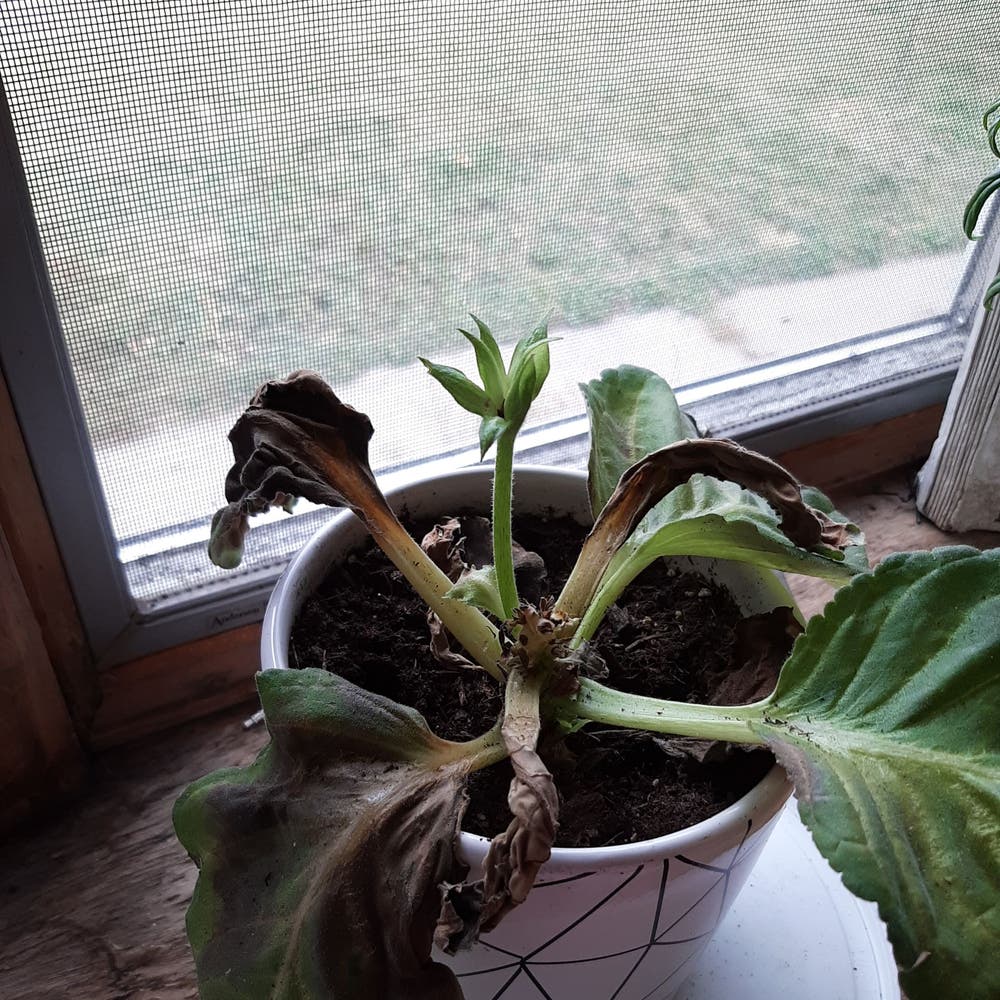
Over-watering your Sinningia can lead to some telltale signs. One of the most common indicators is yellowing leaves, which often signals that the roots are drowning in excess moisture.
Another red flag is wilting leaves despite wet soil. This paradox suggests that the roots may be damaged and unable to absorb water effectively.
Root Health 🥴
When repotting, it's crucial to check the root health. Look for mushy or blackened roots, which are clear signs of rot caused by too much water.
Proper drainage in pots is essential for maintaining healthy roots. Ensure your pot has adequate drainage holes to prevent water from pooling at the bottom, which can lead to over-watering issues.
Recognizing these signs early can save your Sinningia from serious damage. Next, let’s explore the signs of under-watering to ensure your plant thrives.
Signs of Under-Watering
Visual Indicators 🌿
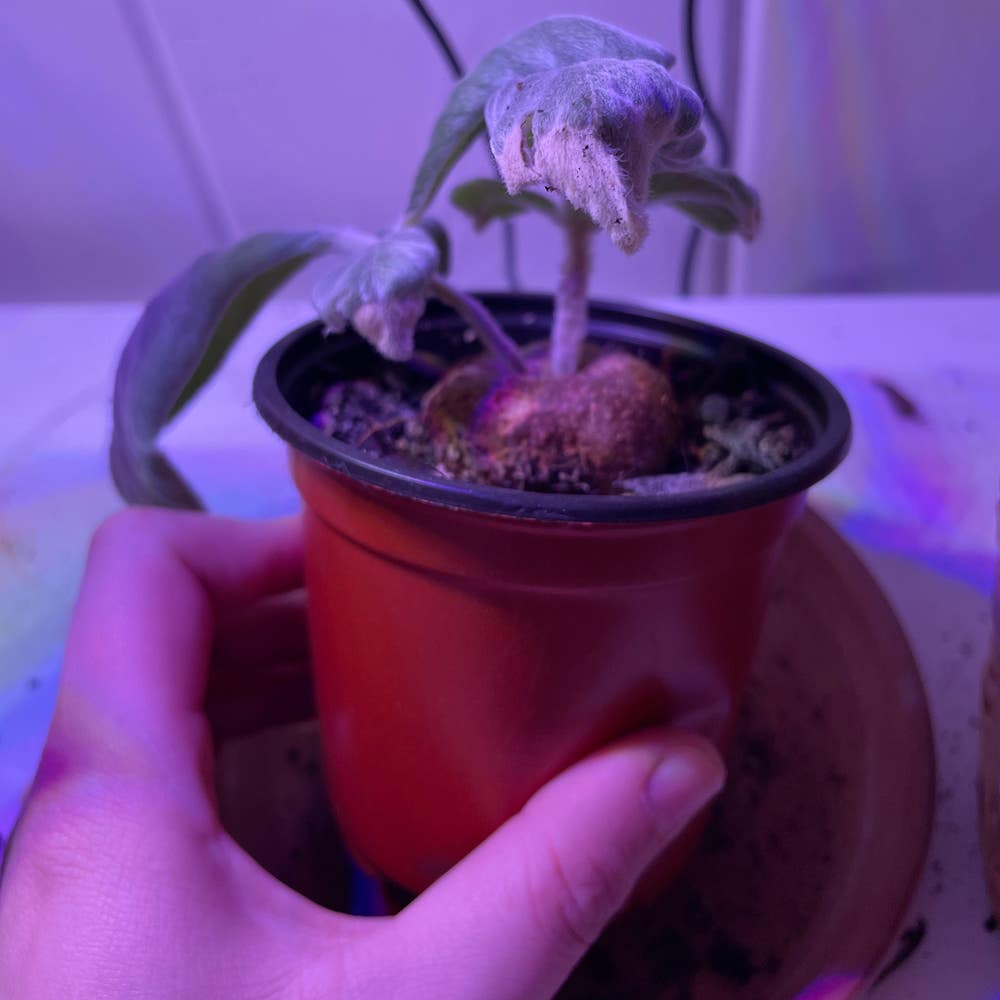
Under-watering your Sinningia can lead to some unmistakable visual cues. One of the most common signs is drooping leaves, which clearly indicate dehydration.
Another indicator is dry, crispy leaf edges. This symptom suggests that your plant has been lacking moisture for an extended period, and it’s time to take action.
Soil Condition 🏺
The condition of the soil is equally telling. Check for dry, compacted soil that pulls away from the pot edges; this is a strong sign that your Sinningia is not getting enough water.
When the soil becomes too dry, it can hinder the plant's ability to absorb moisture effectively. Regular checks can help you catch these issues before they escalate.
Recognizing these signs will help you maintain a healthy Sinningia, ensuring it thrives in your care. Next, let’s explore effective watering techniques to keep your plant hydrated.
Watering Techniques
💧 Bottom-Watering Method
The bottom-watering method is a simple and effective way to hydrate your Sinningia.
- Fill a shallow tray with water.
- Place the Sinningia pot in the tray, allowing the soil to absorb moisture from the bottom.
- Remove the pot once the topsoil feels moist, usually after 30 minutes to 1 hour.
This technique encourages deep root growth and prevents over-saturation of the topsoil.
🪴 Self-Watering Pots
Self-watering pots are a game-changer for maintaining consistent moisture levels.
These pots feature a reservoir at the bottom that allows plants to draw water as needed, reducing the risk of both over-watering and under-watering.
BenefitSinningia-Watering Pots:
- Consistent Moisture: They help maintain an even moisture level, which is crucial for Sinningia health.
- Less Frequent Watering: You won’t need to water as often, making plant care easier.
Recommended Types: Look for self-watering pots with a built-in indicator to show when the reservoir is low. This feature can be especially helpful for busy plant parents.
By utilizing these watering techniques, you can ensure your Sinningia thrives and flourishes. Next, we’ll explore how to measure soil moisture effectively, so you can fine-tune your watering routine.
Measuring Soil Moisture
🌡️ Tools for Measuring Moisture
Keeping your Sinningia healthy starts with understanding its moisture needs. One of the best tools for this is a soil moisture meter, which provides a quick and accurate reading of the soil's moisture level.
Sinningiamoisture meter effectively, simply insert the probe into the soil, ensuring it reaches the root zone. This will give you a clear indication of whether your plant needs watering.
If you don't have a moisture meter handy, don't worry! You can use a wooden stick or even your finger to check the soil moisture. Just insert the stick or your finger into the soil and feel for moisture. If it feels dry, it’s time to water.
📏 How to Check Soil Moisture Levels
Checking soil moisture is straightforward and can be done in just a few steps:
- Insert a moisture meter or stick into the soil up to 2-3 inches deep.
- Assess the reading:
- Moist: Watering is not needed.
- Dry: Time to water.
- Very dry: Immediate watering required.
By regularly checking the moisture levels, you can ensure your Sinningia thrives without the risk of over or under-watering. This simple practice can make a significant difference in your plant's health and vitality.
As you become more familiar with your plant's needs, you can adjust your watering schedule accordingly. Next, let’s explore effective watering techniques to keep your Sinningia hydrated.
Watering Schedule
Recommended Watering Frequency 🌧️
To keep your Sinningia thriving, aim to water it every 1-2 weeks. This frequency can vary based on environmental conditions, so always be attentive to your plant's needs.
Checking the soil moisture before watering is crucial. This simple step ensures you don’t over-water or under-water, both of which can harm your plant.
Using the Greg Plant Care App for Reminders 📱
The Greg Plant Care App is a fantastic tool for scheduling your watering routine. It helps you track your plant's specific needs and sends reminders when it's time to water.
Setting up reminders in the app is straightforward. Just input your plant's watering preferences, and let the app do the rest, ensuring your Sinningia receives the care it deserves.
With the right watering schedule and tools, your Sinningia will flourish beautifully. Next, we’ll explore effective watering techniques to further enhance your plant care routine.
⚠️ Safety First
This content is for general information and may contain errors, omissions, or outdated details. It is not medical, veterinary advice, or an endorsement of therapeutic claims.
Always consult a qualified healthcare professional before using any plant as food, medicine, or supplement.
Never eat any plant (or feed one to pets) without confirming its identity with at least two trusted sources.
If you suspect poisoning, call Poison Control (800) 222-1222, the Pet Poison Helpline (800) 213-6680, or your local emergency service immediately.
Spotted an error? Please report it here.
Keep your Sinningia thriving 🌱 by using Greg's personalized watering reminders and moisture tracking to avoid yellowing leaves and wilting!