🍂 Managing Leaf Drop on Your Sinningia
Sinningia allagophylla
By the Greg Editorial Team
Nov 23, 2024•6 min read
This article was created with the help of AI so we can cover more plants for you. May contain errors. See one? Report it here.
Revive your Sinningia's vitality 🌱 by uncovering the secrets to diagnosing and preventing leaf drop issues!
- 🌱 Monitor soil moisture to prevent overwatering or underwatering your Sinningia.
- 💡 Provide bright, indirect light; too much sun can scorch leaves.
- 🌬️ Maintain humidity with trays or misting to prevent leaf curling and browning.
Diagnosing Leaf Drop Issues
🌊 Assessing Watering Practices
Watering is crucial for the health of your Sinningia. Start by checking the soil moisture regularly; stick your finger about an inch into the soil to gauge its dampness.
Signs of Overwatering vs. Underwatering
- Overwatering: Yellowing leaves, mushy roots, and a musty smell.
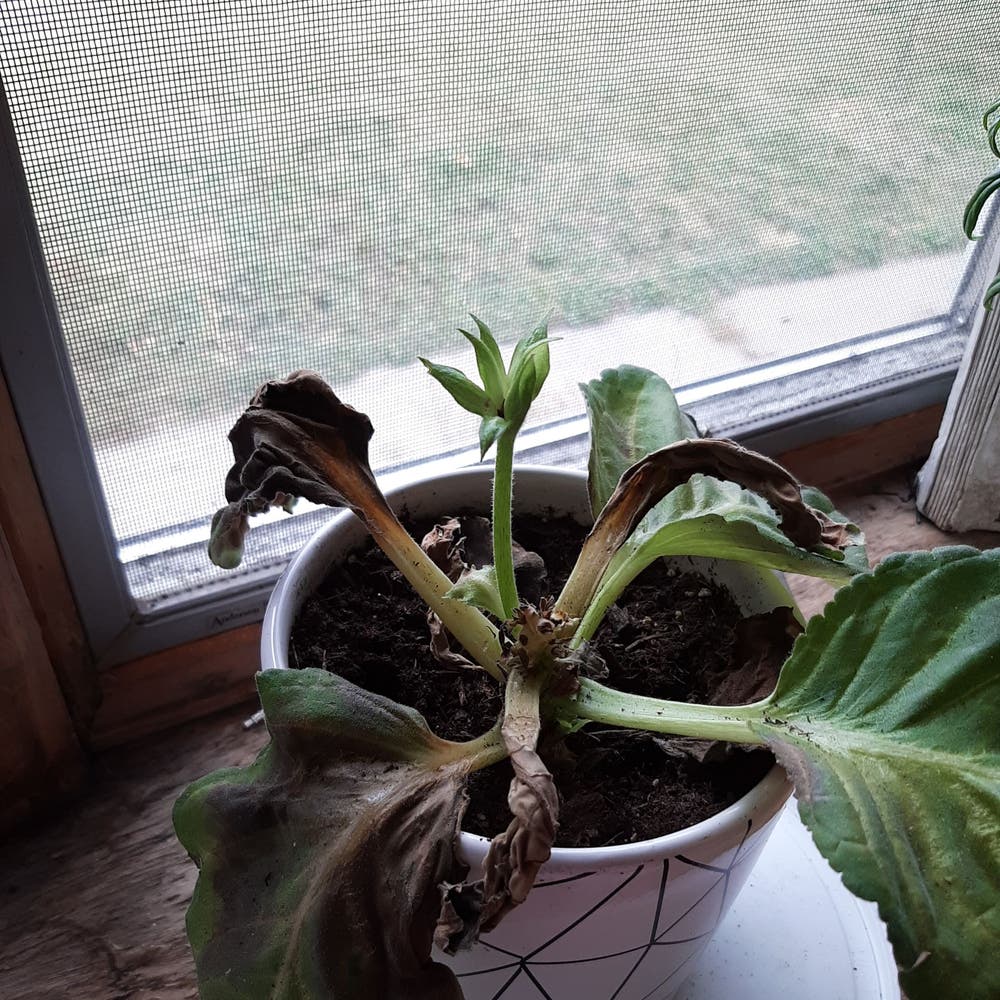
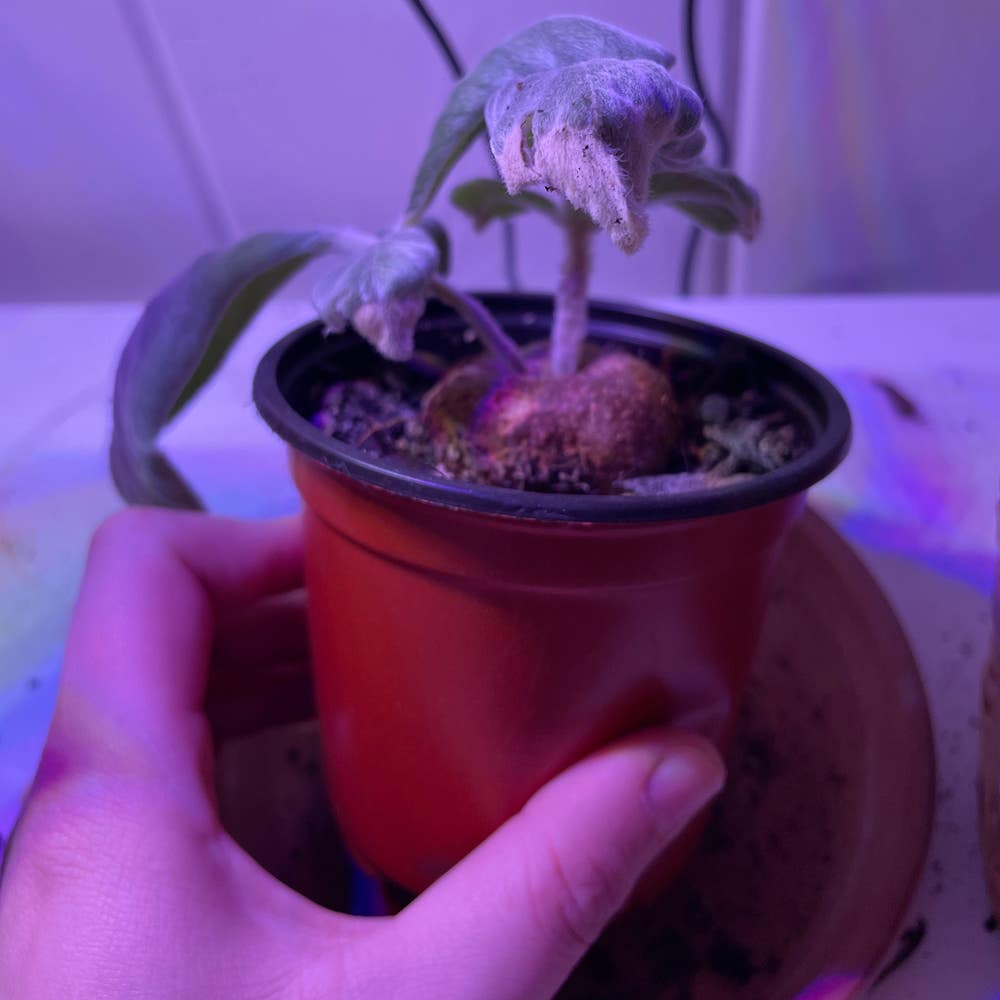
- Underwatering: Wilting leaves, dry soil, and crispy edges.
To ensure even moisture distribution, use a watering can with a narrow spout. This allows you to direct water precisely where it’s needed, avoiding soggy spots.
☀️ Evaluating Light Exposure
Light is another key factor in diagnosing leaf drop. Sinningia thrives in bright, indirect light, so consider its placement carefully.
Effects of Too Much Direct Sunlight
Direct sunlight can scorch the leaves, leading to brown edges and crispy spots. If you notice these signs, it’s time to move your plant to a shadier spot.
Signs of Inadequate Light
Look for stretched stems and sparse foliage, known as etiolation. This indicates your plant is reaching for more light, signaling that it needs a brighter location.
💧 Checking Humidity Levels
Humidity plays a significant role in your Sinningia's well-being. Use a hygrometer to measure indoor humidity levels accurately.
Signs of Low Humidity
Watch for leaf curling and browning, which are clear indicators that your plant is thirsty for moisture in the air.
Increasing Humidity
You can boost humidity using several methods:
- Pebble trays: Fill a tray with pebbles and water, placing your pot on top.
- Misting: Lightly mist the leaves regularly.
- Humidifiers: Invest in a humidifier for consistent moisture.
🐛 Inspecting for Pests and Diseases
Pests and diseases can also cause leaf drop. Start by inspecting your Sinningia for common pests like aphids and spider mites.
Common Pests
- Aphids: Look for sticky residue or distorted leaves. Control them with insecticidal soap.
- Spider Mites: Check for fine webbing and tiny specks on leaves. Treatment includes neem oil or insecticidal soap.
Disease Identification
Fungal infections often present as dark spots or mold on leaves. Prevention is key; ensure good air circulation and avoid overhead watering.
Bacterial issues can manifest as mushy spots or foul odors. If you suspect a bacterial infection, remove affected leaves and improve air circulation.
By carefully assessing watering, light, humidity, and pest conditions, you can effectively diagnose and address leaf drop issues in your Sinningia. Next, let’s explore how to prevent these problems from occurring in the first place.
Preventing Leaf Drop
🌊 Best Practices for Watering Sinningia
Watering your Sinningia correctly is crucial for preventing leaf drop. Start by establishing a watering schedule that aligns with the plant's growth cycle and the changing seasons.
Allow the soil to dry slightly between waterings. This practice helps prevent overwatering, which can lead to root rot and subsequent leaf drop.
For effective watering, consider deep watering techniques. This encourages roots to grow deeper, promoting a healthier and more resilient plant.
☀️ Optimal Light Conditions for Healthy Growth
Light exposure plays a significant role in the health of your Sinningia. Ideally, place your plant in bright, indirect light to mimic its natural habitat.
As the seasons change, adjust your plant's location to ensure it receives adequate light. This might mean moving it closer to a window during winter months when daylight is limited.
If natural light is insufficient, consider using grow lights. These can provide the necessary illumination during darker seasons, ensuring your Sinningia thrives year-round.
💧 Maintaining Appropriate Humidity Levels
Humidity is another key factor in keeping your Sinningia healthy. To boost humidity, try grouping your plants together; this creates a microenvironment that retains moisture.
Using humidity trays filled with water and pebbles can also help. Alternatively, indoor fountains can increase humidity levels, creating a more favorable environment for your plant.
🌱 Soil Selection and Care for Sinningia
Choosing the right soil is essential for your Sinningia's health. Opt for well-draining potting mixes that include ingredients like peat moss, perlite, and vermiculite to ensure proper drainage.
Regular soil maintenance is equally important. Repotting and refreshing the soil every 1-2 years can prevent nutrient depletion and promote healthy growth.
By following these best practices, you can create an optimal environment for your Sinningia, significantly reducing the risk of leaf drop. Next, let’s explore how to treat leaf drop effectively if it does occur.
Treating Leaf Drop
Step-by-Step Guide to Adjusting Care Routines 🌱
To effectively treat leaf drop in your Sinningia, start by assessing the current conditions. Check the watering frequency, light exposure, and humidity levels to identify any potential issues.
Next, make gradual adjustments to your care routine. Sudden changes can shock the plant, so take it slow to ensure a smoother transition.
Remedies for Pest Infestations 🐛
Pests can be a significant factor in leaf drop. Consider using organic pest control methods to manage infestations effectively.
Neem oil and insecticidal soap are excellent options for treating common pests. Additionally, encouraging beneficial insects can help maintain a healthy balance in your plant's ecosystem.
Fertilization Tips to Support Recovery 🌼
Fertilization plays a crucial role in your Sinningia's recovery. Establish a fertilization schedule that aligns with the growing season, using the right type of fertilizer to support healthy growth.
Be mindful of the signs of over-fertilization, such as leaf burn and nutrient buildup in the soil. Adjust your fertilization practices accordingly to promote a thriving plant.
With these steps, you can effectively treat leaf drop and support your Sinningia's health. Next, let's explore common myths and misconceptions surrounding Sinningia care to further enhance your understanding.
Myths and Misconceptions
💭 Common Myths About Sinningia Leaf Drop
One prevalent myth is that leaf drop in Sinningia is always a sign of disease. In reality, environmental factors often play a significant role in this issue.
Another common belief is that Sinningia requires constant high humidity to thrive. However, moderate humidity is usually sufficient when paired with proper care.
🔍 Clarifying Misconceptions About Sinningia Care
A frequent misconception is that Sinningia can thrive in low light conditions. In truth, adequate light is crucial for healthy growth and vibrant foliage.
Additionally, many people think that overwatering is the only cause of leaf drop. It's essential to understand that multiple factors can contribute to leaf health issues, including light, humidity, and pests.
Understanding these myths and misconceptions can help you provide better care for your Sinningia and prevent leaf drop. With the right knowledge, you can create an environment where your plant can flourish.
Next, we will explore effective strategies for preventing leaf drop in your Sinningia.
⚠️ Safety First
This content is for general information and may contain errors, omissions, or outdated details. It is not medical, veterinary advice, or an endorsement of therapeutic claims.
Always consult a qualified healthcare professional before using any plant as food, medicine, or supplement.
Never eat any plant (or feed one to pets) without confirming its identity with at least two trusted sources.
If you suspect poisoning, call Poison Control (800) 222-1222, the Pet Poison Helpline (800) 213-6680, or your local emergency service immediately.
Spotted an error? Please report it here.
Keep your Sinningia thriving 🌱 by using Greg for tailored watering reminders and humidity tips that prevent leaf drop and promote lush growth!