3 Secrets to Thriving Outdoor Sinningia
Sinningia allagophylla
By the Greg Editorial Team
Nov 23, 2024•5 min read
This article was created with the help of AI so we can cover more plants for you. May contain errors. See one? Report it here.
Cultivate stunning Sinningia blooms 🌸 with essential outdoor care tips for every season and thrive in your garden!
- ☀️ Sinningia needs 4-6 hours of sunlight daily for optimal growth and flowering.
- 💧 Keep soil consistently moist but avoid waterlogging to prevent root issues.
- 🌱 Use well-draining, organic-rich soil for best results and healthy Sinningia.
Outdoor Care Requirements
🌞 Sunlight Needs
Sinningia thrives best in full sun to partial shade, requiring about 4-6 hours of direct sunlight daily. Insufficient sunlight can lead to weak growth and fewer flowers, so it's crucial to find the right balance.
💧 Watering Requirements and Techniques
To keep your Sinningia healthy, maintain consistently moist soil without waterlogging. Consider using drip irrigation for efficiency, or hand watering if you prefer a more personal touch.
🌱 Soil Preferences and Amendments
These plants flourish in well-draining soil rich in organic matter. Enhance your soil with compost, peat moss, and perlite to improve drainage and nutrient content.
🗓️ Fertilization Schedule and Types
Fertilize your Sinningia every 4-6 weeks during the growing season to support robust growth. Opt for balanced NPK fertilizers or organic options to provide essential nutrients.
With these outdoor care requirements in mind, you're well on your way to cultivating thriving Sinningia. Next, let's explore the various planting options available to you.
Planting Options
🌱 Benefits and Drawbacks of Container Planting
Container planting offers remarkable flexibility. You can easily move your Sinningia to optimize sunlight exposure or protect it from harsh weather.
However, this method has its limitations. The restricted root space in containers can hinder growth, making it essential to choose appropriately sized pots.
🌍 Benefits and Drawbacks of Ground Planting
Ground planting allows for greater root development. This stability can lead to healthier plants with more robust growth.
On the downside, you have less control over soil quality and drainage. Poor soil conditions can negatively impact your Sinningia's health, so it's crucial to assess your garden's soil before planting.
In summary, both planting options have unique advantages and challenges. Choosing the right method depends on your gardening goals and the specific conditions of your outdoor space.
Protection from Environmental Factors
🌩️ Weather Protection Strategies
Protecting your Sinningia from extreme weather is crucial for its health. During frost, consider mulching around the base to insulate the roots and covering the plants with cloth to shield them from icy temperatures.
In the heat of summer, shade cloth can be a lifesaver. It helps reduce direct sunlight exposure, preventing leaf scorch and ensuring your plants thrive even in the hottest conditions.
🐞 Common Outdoor Pests and Control Methods
Outdoor pests can pose a significant threat to your Sinningia. Keep an eye out for common culprits like aphids, spider mites, and whiteflies, which can quickly damage your plants if left unchecked.
To combat these pests, you have several effective options. Neem oil and insecticidal soap are both excellent choices, while introducing beneficial insects like ladybugs can help maintain a healthy balance in your garden.
🦠 Diseases and Prevention
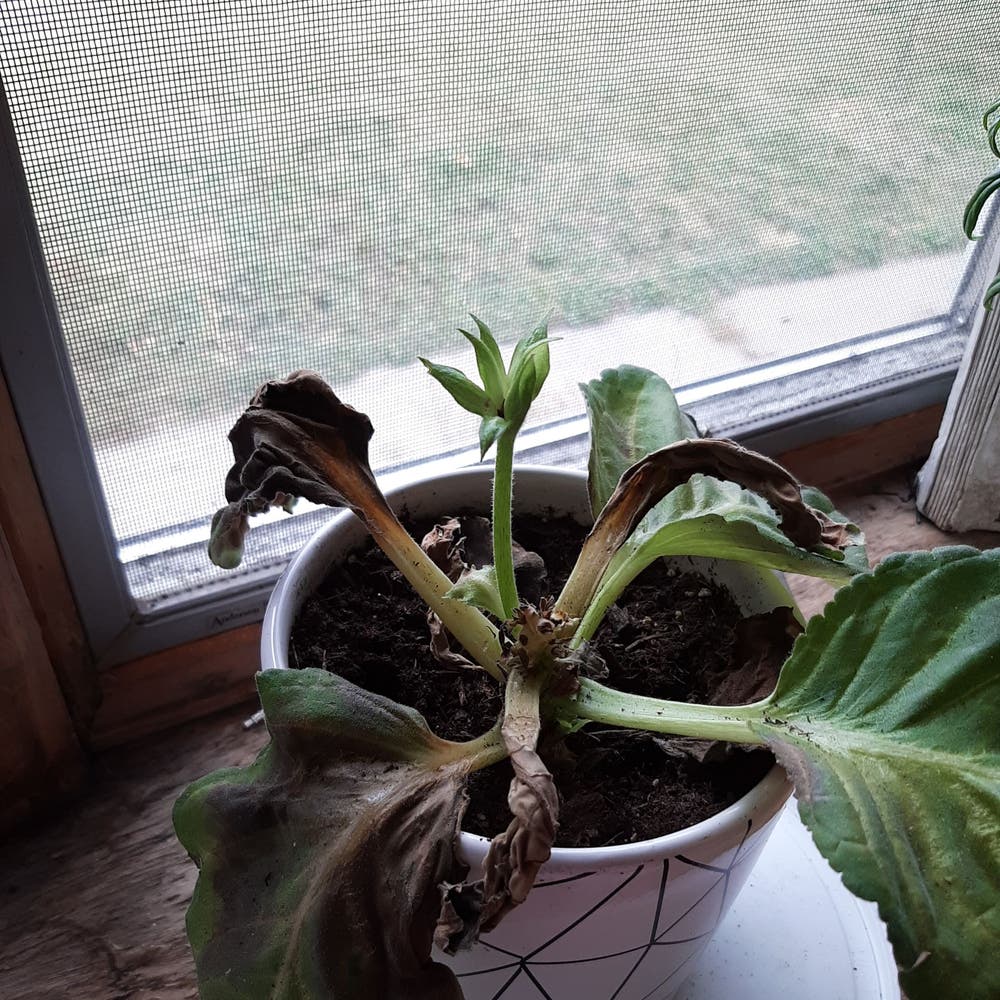
Sinningia can be susceptible to diseases such as root rot and powdery mildew. These issues often arise from improper care, so it's essential to recognize the signs early.
Preventing these diseases is all about good practices. Ensure proper watering techniques, promote air circulation around your plants, and consider disease-resistant varieties to keep your Sinningia flourishing.
By taking these protective measures, you can create a thriving environment for your Sinningia, allowing it to flourish despite environmental challenges. Next, let’s explore how to adjust care for seasonal changes to keep your plants in top shape year-round.
Seasonal Care
🌡️ Adjusting Care for Seasonal Changes
Temperature and humidity fluctuations can significantly impact the growth cycles of outdoor Sinningia. As seasons change, it's essential to adapt your care routine to ensure your plants thrive.
To prepare for winter, start by cutting back foliage to reduce stress on the plant. Mulching around the base will help insulate the roots and retain moisture during colder months.
☀️ Spring and Summer Care Tips
Spring and summer are critical growth periods for Sinningia. To encourage robust growth, adjust your fertilization and watering practices to match the plant's increased needs.
During these active months, keep a close eye on your plants for any signs of pests or diseases. Early detection is key to maintaining healthy Sinningia.
🍂 Fall Preparation
As fall approaches, it's time to prepare your Sinningia for dormancy. Begin by gradually reducing watering and fertilization to help the plants transition smoothly.
Cleaning up fallen leaves and debris is crucial to prevent disease. A tidy garden not only looks great but also promotes a healthier environment for your plants.
With these seasonal care tips, you can ensure your outdoor Sinningia remains vibrant and healthy throughout the year. Next, let’s explore special considerations for different climate zones and how to adapt your care accordingly.
Special Considerations
🌍 Climate Zone Considerations
Sinningia thrives best in USDA zones 9-11, where temperatures remain mild and conditions are optimal for growth. If you're in a cooler climate, consider treating Sinningia as an annual, as it may struggle to survive harsh winters.
🌡️ Tips for Different Climates
For those in hot, humid areas, ensure adequate air circulation and avoid waterlogging to prevent root rot. Conversely, in cooler, drier climates, adjust your watering schedule to maintain moisture without over-saturating the soil.
🧐 Myth-Busting Common Misconceptions
Many believe Sinningia is a hardy plant that can withstand any condition, but this isn't true. Understanding the importance of humidity and temperature is crucial for achieving vibrant blooms and healthy growth.
By addressing these special considerations, you can create an environment where your Sinningia can truly flourish. Next, let's explore how to adjust care for seasonal changes to keep your plants thriving throughout the year.
⚠️ Safety First
This content is for general information and may contain errors, omissions, or outdated details. It is not medical, veterinary advice, or an endorsement of therapeutic claims.
Always consult a qualified healthcare professional before using any plant as food, medicine, or supplement.
Never eat any plant (or feed one to pets) without confirming its identity with at least two trusted sources.
If you suspect poisoning, call Poison Control (800) 222-1222, the Pet Poison Helpline (800) 213-6680, or your local emergency service immediately.
Spotted an error? Please report it here.
Unlock the secret to vibrant Sinningia blooms 🌼 with Greg's tailored care reminders and expert tips that ensure your plants thrive in any season!