4 Key Aspects of Sinningia Size
Sinningia allagophylla
By the Greg Editorial Team
Nov 25, 2024•4 min read
This article was created with the help of AI so we can cover more plants for you. May contain errors. See one? Report it here.
Unlock the secret to thriving Sinningia plants 🌱 that perfectly fit your garden's size and style!
- 🌱 Sinningia sizes vary from 12 to 36 inches, influenced by species and conditions.
- 🌼 Dwarf varieties are perfect for small spaces, staying under 12 inches tall.
- 🌞 Optimal light and soil are crucial for healthy growth and size management.
Mature Height and Spread
Typical Dimensions 🌱
Sinningia plants can vary significantly in size, with an average mature height ranging from 12 to 36 inches (30 to 90 cm), depending on the specific variety. Their spread typically falls between 12 to 24 inches (30 to 60 cm), although some sprawling types can exceed these dimensions.
Factors Influencing Size 📏
Several factors play a role in determining the size of Sinningia plants. Growth habits are crucial; compact dwarf forms tend to stay smaller, while larger sprawling varieties can take up more space.
The tuberous roots of Sinningia also influence overall size and growth rate. Notably, species like Sinningia speciosa and its hybrids can exhibit a wide range of dimensions, making them versatile choices for various garden designs.
Understanding these aspects can help you choose the right Sinningia for your space, ensuring it thrives and fits beautifully into your garden layout.
Growth Rate
🌱 General Growth Rate
Sinningia plants exhibit a moderate growth rate, typically reaching heights of 6 to 12 inches (15 to 30 cm) per growing season. This steady growth allows them to establish themselves well in various garden settings.
⚙️ Factors Affecting Growth Rate
Several factors can significantly influence the growth rate of Sinningia.
☀️ Light Conditions
Optimal light exposure is crucial for enhancing growth. Sinningia thrives in bright, indirect sunlight, which encourages robust development.
🌍 Soil Quality
The quality of the soil plays a vital role in growth. Nutrient-rich, well-draining soil not only supports healthy root systems but also promotes faster growth.
💧 Watering Practices
Consistent moisture levels are essential for accelerating growth. Regular watering, without over-saturating the soil, helps maintain the right balance for optimal development.
Understanding these factors can help you create the ideal environment for your Sinningia, ensuring they flourish beautifully. As you consider these growth dynamics, you’ll be better equipped to nurture your plants effectively.
Timeframe to Reach Full Size
🌱 Growth Timeline
Sinningia plants typically take about 1 to 3 years to reach their full size. This timeframe can vary significantly based on the specific species and the growing conditions they experience.
⚖️ Influencing Factors
The initial size of the tuber plays a crucial role in how quickly a plant matures. Larger tubers often grow faster, giving them a head start in the race to full size.
Seasonal growth patterns also impact development. During colder months or less favorable conditions, growth may slow down, making patience essential for gardeners.
Understanding these factors can help you set realistic expectations for your Sinningia plants. With the right care, you can enjoy their beauty as they flourish over time.
As we explore the next section, let's dive into the fascinating size variability among different Sinningia species.
Size Variability Among Species
Dwarf vs. Giant Varieties 🌱
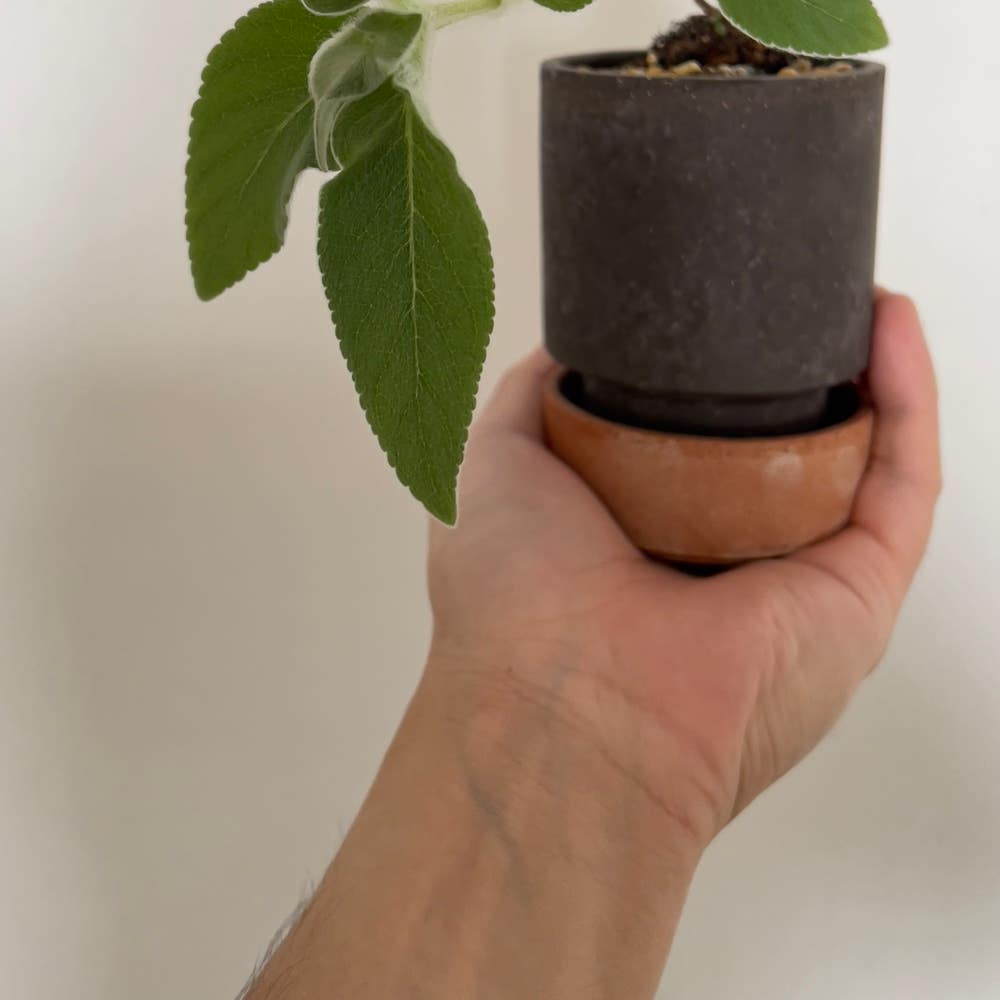
When it comes to Sinningia, size truly matters. Dwarf varieties typically stay under 12 inches (30 cm) in height, making them perfect for smaller spaces or container gardening.
On the other hand, giant varieties can exceed 36 inches (90 cm) in height, creating a stunning focal point in any garden. Their expansive spread adds to their impressive stature, making them a bold choice for landscape design.
Comparison of Common Cultivars 📏
One of the most popular species is Sinningia speciosa. This ornamental type showcases variable dimensions, largely influenced by cultivation practices.
Hybrids of Sinningia also present a fascinating array of growth patterns and sizes. Their diversity can significantly impact your garden's design, allowing for creative combinations that enhance visual appeal.
Understanding these size variabilities helps gardeners make informed choices, ensuring that their Sinningia selection fits perfectly into their desired landscape.
As we explore the next section, we'll delve into effective techniques for managing the size of these captivating plants.
Size Control Techniques
Pruning Methods for Size Management ✂️
Regular pruning is essential for maintaining the desired size and shape of your Sinningia plants. This technique is best performed during the growing season, allowing for optimal recovery and growth.
Techniques for Encouraging Compact Growth 🌱
Pinching back the tips of the stems encourages bushier growth while limiting height. Additionally, selecting naturally compact varieties can significantly help in achieving a more manageable size.
Use of Containers to Limit Size 🪴
Using smaller containers can effectively restrict root growth and overall plant size. This method not only aids in size control but also makes management easier, especially in limited spaces.
Fertilization Strategies for Size Control 🌾
Adjusting nutrient levels is crucial; lower nitrogen levels can help prevent excessive growth. Timing your fertilization to align with the plant's growth cycles ensures that you maintain optimal size management.
By implementing these size control techniques, you can cultivate Sinningia plants that fit perfectly into your garden design. Next, let’s explore the fascinating variability in size among different species.
⚠️ Safety First
This content is for general information and may contain errors, omissions, or outdated details. It is not medical, veterinary advice, or an endorsement of therapeutic claims.
Always consult a qualified healthcare professional before using any plant as food, medicine, or supplement.
Never eat any plant (or feed one to pets) without confirming its identity with at least two trusted sources.
If you suspect poisoning, call Poison Control (800) 222-1222, the Pet Poison Helpline (800) 213-6680, or your local emergency service immediately.
Spotted an error? Please report it here.
Master the art of Sinningia growth 🌱 with Greg's tailored care reminders that ensure your plants thrive beautifully in any space!