🚫 Sinningia is Not an Invasive Plant
Sinningia allagophylla
By the Greg Editorial Team
Nov 23, 2024•6 min read
This article was created with the help of AI so we can cover more plants for you. May contain errors. See one? Report it here.
Transform your garden with Sinningia's beauty 🌼 while supporting local ecosystems without the risk of invasiveness!
- 🌱 Sinningia is non-invasive, coexisting harmoniously with local flora and enhancing biodiversity.
- 🌼 Attracts pollinators like bees and butterflies, supporting local ecosystems and garden health.
- 🌿 Ideal for shaded areas, Sinningia thrives with manageable growth and vibrant blooms.
Plant Classification
Definition of Invasive Species 🌱
Invasive species are non-native plants that aggressively spread, outcompeting local flora and disrupting ecosystems. They often possess characteristics such as rapid reproduction, high adaptability, and a lack of natural predators in their new environments.
Why Sinningia is Not Invasive 🌼
Sinningia species grow in clumps, which limits their spread and makes them manageable in garden settings. They do not aggressively outcompete native plants, helping to maintain ecological balance.
Their typical growth patterns allow Sinningia to coexist harmoniously with other plants without dominating the landscape. This makes them an excellent choice for gardeners looking to enhance biodiversity without introducing invasive threats.
By understanding these growth habits, gardeners can appreciate how Sinningia contributes positively to their environments. This knowledge sets the stage for exploring Sinningia's growth habits in more detail.
Growth Habits
🌱 Typical Growth Patterns of Sinningia
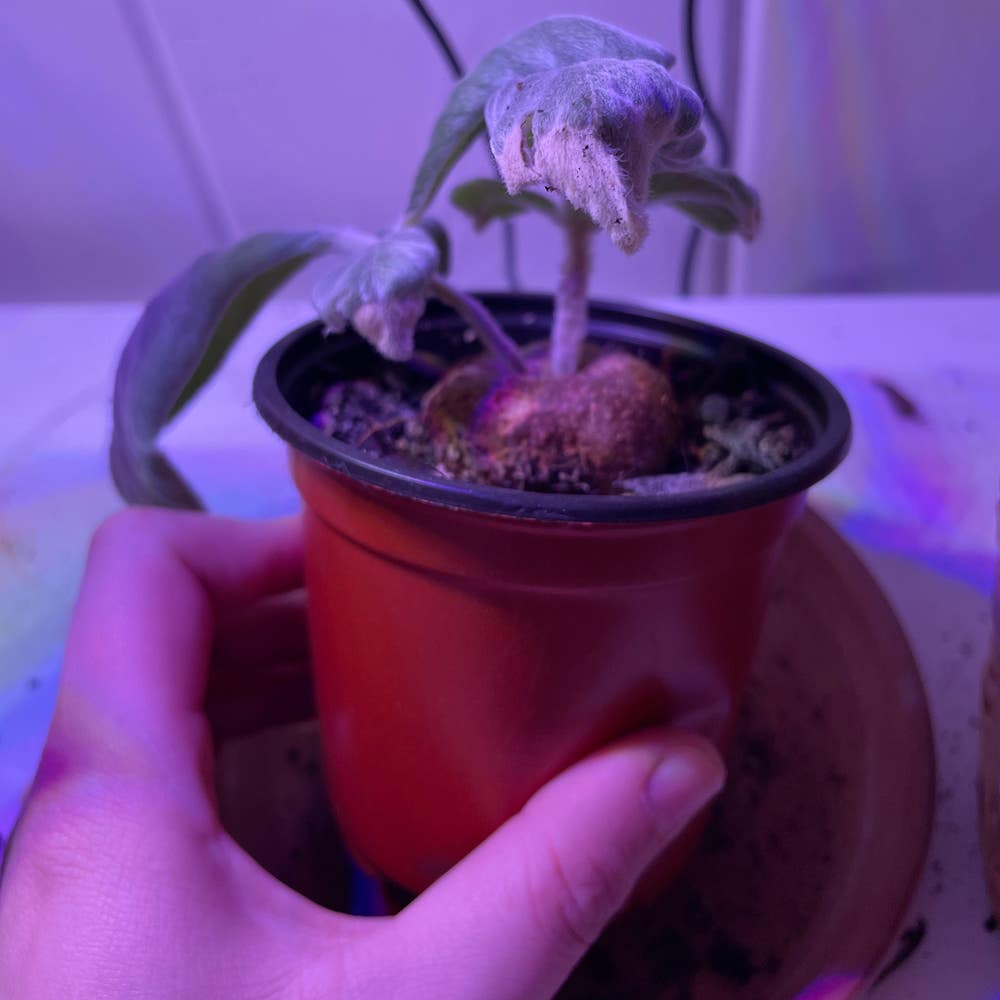
Sinningia species are known for their charming clumping growth habit, typically reaching heights of 12 to 24 inches (30 to 60 cm). Their tuberous roots not only store nutrients but also provide resilience during dry spells, making them a robust choice for gardens.
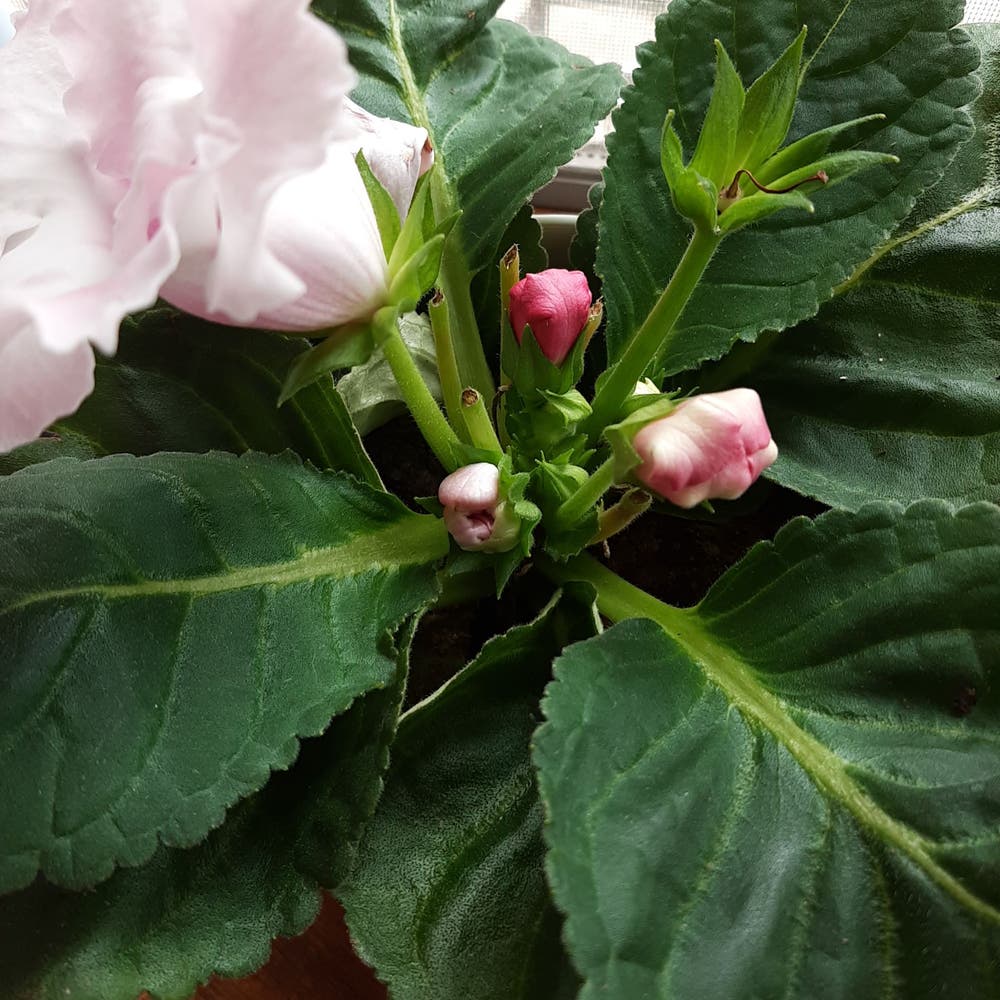
The flowering season is a highlight, with Sinningia blooming primarily in spring and summer. The vibrant colors of their flowers are a magnet for pollinators, enhancing the garden's biodiversity.
🌞 Natural Limits to Sinningia's Growth
Sinningia prefers well-drained soil and partial shade, which naturally limits its growth in overly sunny or waterlogged areas. This preference ensures that while they are adaptable, they remain contained within various garden environments.
Local climate and soil conditions also play a significant role in their growth. This adaptability allows Sinningia to thrive without becoming invasive, making them a responsible choice for gardeners looking to maintain ecological balance.
As we explore the ecological role of Sinningia, we’ll see how these plants contribute positively to their surroundings.
Ecological Role
Benefits of Sinningia in Gardens 🌼
Sinningia is a fantastic addition to any garden, primarily because it attracts pollinators like bees and butterflies. This not only enhances biodiversity but also supports local ecosystems, creating a vibrant environment.
Moreover, the plant's vibrant flowers add a splash of color, contributing significantly to the aesthetic appeal of gardens. Their blooms can transform a dull space into a lively, inviting area for both people and wildlife.
Positive Interactions with Local Wildlife 🦋
Beyond attracting pollinators, Sinningia serves as a vital food source for various beneficial insects. This creates a thriving ecosystem where all creatures can flourish.
Additionally, Sinningia can be effectively used in companion planting. By pairing it with other plants, gardeners can enhance the health and productivity of neighboring flora, promoting a harmonious garden environment.
Incorporating Sinningia not only beautifies your garden but also fosters a supportive habitat for wildlife, making it a win-win for nature lovers. As we explore garden management next, consider how to best integrate this remarkable plant into your landscape.
Garden Management
Incorporating Sinningia into Garden Designs 🌿
Sinningia thrives in shaded areas, making it a perfect choice for those tricky spots in your garden. Consider using it as a border plant in garden beds to create a lush, vibrant edge.
To ensure healthy growth, maintain a spacing of 12 to 18 inches (30 to 45 cm) between plants. This distance allows for their natural clumping growth and promotes good air circulation, which is essential for preventing disease.
Controlling Growth for Aesthetic Purposes ✂️
Regular deadheading is key to keeping your Sinningia looking its best. By removing spent flowers, you encourage further blooming and maintain a tidy appearance throughout the growing season.
Additionally, consider dividing the tubers every 2 to 3 years. This practice not only helps manage the size of your plants but also promotes healthy growth, ensuring your garden remains vibrant and full of life.
Incorporating these management techniques will enhance the beauty of your garden while allowing Sinningia to flourish. As you cultivate this stunning plant, you'll appreciate its unique qualities and the joy it brings to your outdoor space.
Next, let’s explore how Sinningia compares to other non-invasive plants, highlighting its unique attributes and ecological benefits.
Comparison to Other Plants
🌼 Similar Non-Invasive Plants
When considering non-invasive flowering plants, Sinningia stands out alongside Heuchera and Tiarella. All three thrive in similar conditions, particularly in partial shade and well-drained soil.
Heuchera, known for its colorful foliage, offers a different aesthetic with its broad leaves and delicate flower spikes. Tiarella, or foamflower, features charming white or pink blooms that create a lovely ground cover. While Sinningia captivates with its vibrant flowers, Heuchera and Tiarella bring unique textures and colors to the garden.
🌟 Unique Qualities of Sinningia
Sinningia's distinctive tuberous roots set it apart from its counterparts. These roots not only provide drought resistance but also store nutrients, ensuring the plant's resilience during dry spells.
Additionally, Sinningia's vibrant flowers add a splash of color to any garden design. Its adaptability allows it to fit seamlessly into various landscapes, making it a versatile choice for gardeners looking to enhance their outdoor spaces.
As you explore the world of non-invasive plants, remember that Sinningia offers both beauty and practicality, enriching your garden while supporting local ecosystems.
Legal and Environmental Considerations
🌱 Classifications and Guidelines for Sinningia
When considering planting Sinningia, it's crucial to check local regulations. Some regions may have specific guidelines regarding the introduction of non-native species, even if they are not classified as invasive.
Sourcing plants from reputable nurseries is equally important. This ensures that you obtain non-invasive varieties, which helps maintain ecological integrity in your garden.
🌍 Role in Sustainable Gardening Practices
Incorporating native and non-invasive plants like Sinningia is a cornerstone of sustainable gardening. These plants not only enhance the beauty of your garden but also support local ecosystems.
Sinningia plays a vital role in ecological balance by attracting pollinators and providing habitats for beneficial insects. Choosing Sinningia is not just a gardening decision; it's a commitment to fostering a healthier environment.
As you plan your garden, remember that every plant choice contributes to the larger ecosystem. By selecting Sinningia, you're making a responsible choice that benefits both your garden and the wildlife it supports.
With these considerations in mind, let's explore how to effectively incorporate Sinningia into your garden designs.
⚠️ Safety First
This content is for general information and may contain errors, omissions, or outdated details. It is not medical, veterinary advice, or an endorsement of therapeutic claims.
Always consult a qualified healthcare professional before using any plant as food, medicine, or supplement.
Never eat any plant (or feed one to pets) without confirming its identity with at least two trusted sources.
If you suspect poisoning, call Poison Control (800) 222-1222, the Pet Poison Helpline (800) 213-6680, or your local emergency service immediately.
Spotted an error? Please report it here.
Transform your garden with Sinningia's vibrant blooms 🌸 while Greg provides tailored care reminders to help you nurture this non-invasive beauty and support local ecosystems!