💧 Ultimate Guide to Humidity for Sinningia
Sinningia allagophylla
By the Greg Editorial Team
Nov 23, 2024•6 min read
This article was created with the help of AI so we can cover more plants for you. May contain errors. See one? Report it here.
Master the ideal humidity levels 🌧️ for your Sinningia and watch them thrive with stunning blooms!
- 🌬️ Ideal humidity for Sinningia is 50-70% for optimal growth and health.
- 🌱 Low humidity causes leaf curling; keep it above 50% to prevent damage.
- 💧 High humidity without airflow risks root rot; ensure proper ventilation.
Ideal Humidity Levels for Sinningia
Maintaining the right humidity levels is crucial for the health of your Sinningia plants. Ideally, you want to keep the relative humidity between 50-70% for optimal growth.
🌧️ Effects of Humidity Levels on Sinningia
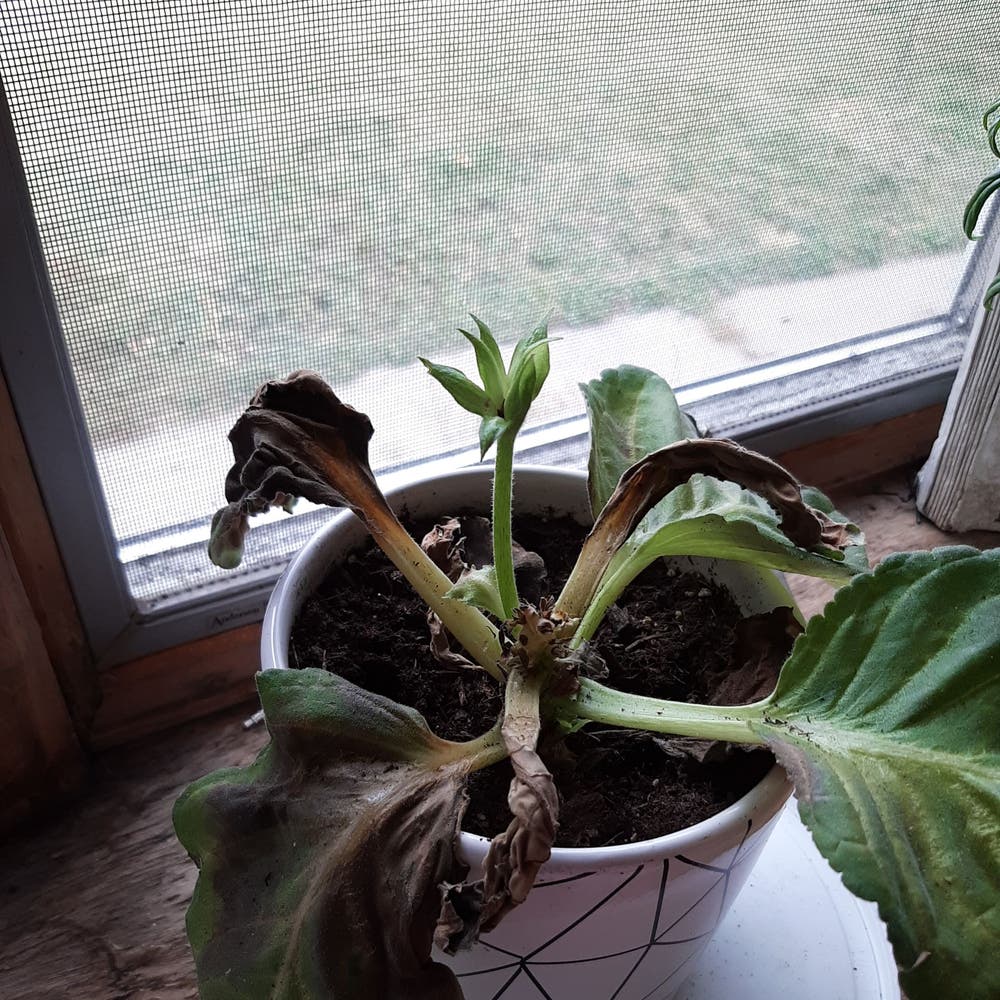
Humidity levels below 50% can lead to leaf curling and wilting, which is a clear sign your plant is struggling. On the other hand, if humidity exceeds 70% without proper air circulation, you risk developing root rot, a serious condition that can jeopardize your plant's health.
🌿 Specific Humidity Requirements for Common Sinningia Varieties
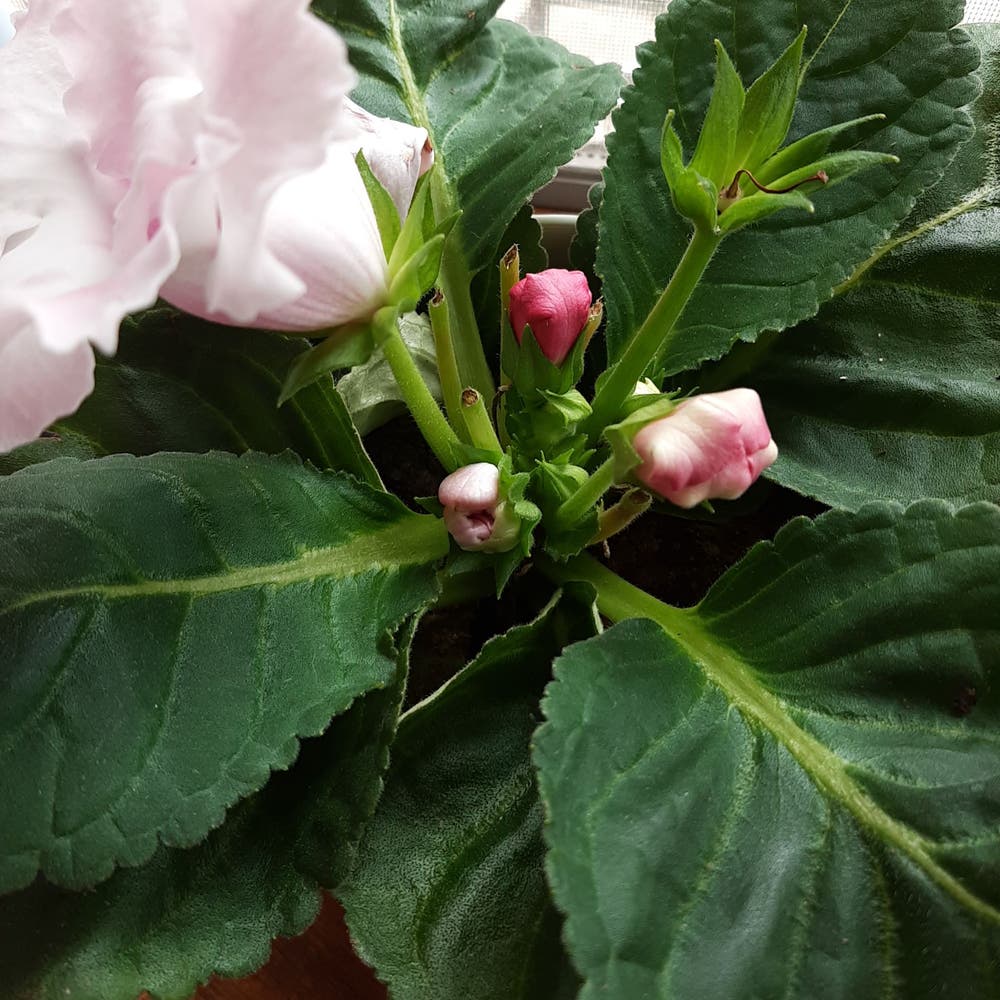
Different Sinningia varieties have unique humidity needs. For instance, Sinningia speciosa thrives in consistently high humidity, which helps it produce those stunning, vibrant flowers we all admire.
By understanding and managing these humidity levels, you can ensure your Sinningia not only survives but flourishes. Next, let’s explore how to assess local humidity levels to better care for your plants.
Local Humidity Considerations
🌧️ Assessing Local Humidity Levels
Understanding your local humidity is crucial for the health of your Sinningia. You can measure humidity using hygrometers, which come in digital or analog forms, providing real-time indoor readings.
Additionally, weather apps can offer insights into outdoor humidity levels, helping you adjust your plant care accordingly. Keeping an eye on these measurements ensures your Sinningia thrives in the right conditions.
📅 Seasonal Variations in Humidity
Humidity levels fluctuate throughout the year, impacting your plant care routine. During the winter months, indoor heating often leads to significantly lower humidity, which can stress your Sinningia.
In contrast, summer months typically bring higher outdoor humidity. If managed well, this can benefit your indoor plants, allowing them to flourish with the right humidity levels.
🌍 Geographic Factors Affecting Humidity
Your location plays a significant role in humidity levels. For instance, coastal areas generally enjoy higher humidity, creating a more favorable environment for Sinningia.
On the other hand, arid regions may pose challenges. In these areas, you might need to implement additional humidity-boosting strategies to keep your indoor plants healthy and vibrant.
Understanding these local humidity considerations will help you create the ideal environment for your Sinningia. With the right knowledge, you can ensure your plants receive the care they need to thrive.
Next, let’s explore effective strategies for boosting humidity around your Sinningia.
Strategies for Boosting Humidity
🌊 Using Humidity Trays
Humidity trays are simple yet effective tools for increasing moisture around your Sinningia. These shallow trays filled with water and pebbles allow for evaporation, creating a humid microenvironment that your plants will love.
Position these trays near your Sinningia to maximize their benefits. The evaporation from the water will help maintain the ideal humidity levels, especially in drier indoor conditions.
🌱 Grouping Plants Together
Grouping your plants can significantly enhance humidity levels. When plants are close together, they create a microenvironment that retains moisture better than isolated plants.
Just be mindful of spacing; ensure there's enough airflow to prevent mold and pests while still maximizing humidity retention. This strategy not only boosts humidity but also adds a lush aesthetic to your space.
💦 Misting Techniques
Misting your Sinningia is a straightforward way to maintain moisture without overdoing it. Aim to mist your plants 1-2 times a week, which helps keep the leaves hydrated and healthy.
For best results, use distilled water. This prevents mineral buildup on the leaves, ensuring your plants stay vibrant and free from unsightly spots.
💨 Humidifiers and Their Effectiveness
Humidifiers can be a game-changer for maintaining humidity levels. You can choose between cool mist and warm mist options, depending on your preference and the needs of your plants.
Position your humidifier near your Sinningia for optimal humidity distribution. This will help create a consistently moist environment, especially during dry seasons or in air-conditioned spaces.
By implementing these strategies, you can effectively boost humidity levels for your Sinningia, ensuring they thrive and flourish. Next, let’s explore how to reduce humidity when necessary, keeping your plants in perfect balance.
Strategies for Reducing Humidity
🌬️ Ventilation Techniques
Air circulation is crucial for maintaining a healthy environment for your Sinningia. It prevents stagnant air, which can lead to excess humidity buildup and potential issues for your plants.
To improve airflow, consider simple methods like opening windows or using fans. This not only helps reduce humidity but also promotes overall plant health by ensuring fresh air circulation.
🪴 Choosing the Right Potting Mix
Selecting a well-draining potting mix is essential for preventing excess moisture retention. A suitable mix will help keep your Sinningia's roots healthy and thriving.
For optimal drainage, use a combination of peat, perlite, and orchid bark. This blend allows for adequate moisture retention while preventing waterlogging, which can be detrimental to your plants.
🚿 Avoiding Overwatering
Watering your Sinningia requires a careful approach. Allow the top inch of soil to dry out before re-watering to avoid creating a damp environment that can lead to root rot.
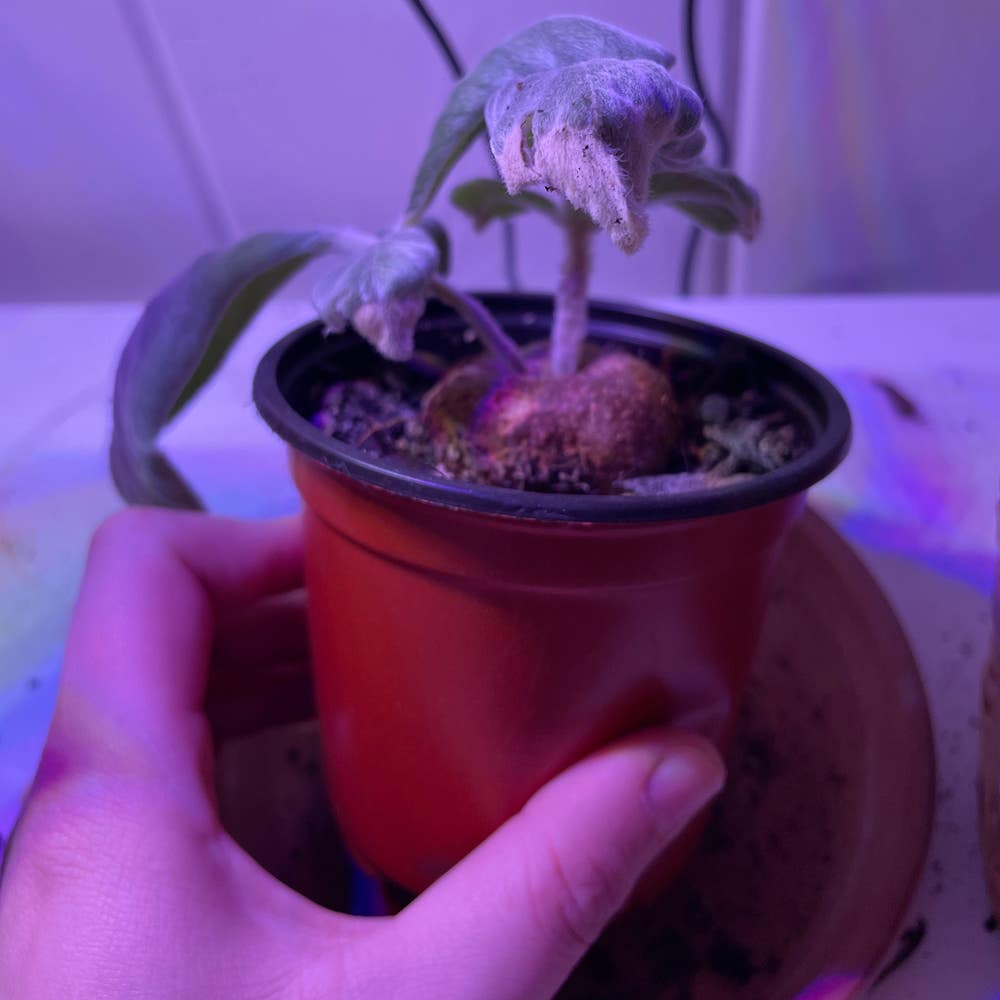
Be vigilant for signs of overwatering, such as yellowing leaves and mushy tubers. These indicators can help you adjust your watering routine and ensure your plants remain healthy and vibrant.
By implementing these strategies, you can effectively manage humidity levels and create a thriving environment for your Sinningia. Next, we'll explore how to monitor humidity effectively to keep your plants in their ideal range.
Monitoring Humidity
📏 Tools for Measuring Humidity
To keep your Sinningia thriving, accurate humidity readings are essential. Digital hygrometers are highly recommended for their precision and ease of use.
Position these hygrometers near your plants to get localized measurements. This way, you can monitor the humidity levels that directly affect your Sinningia.
🚨 Signs of Inadequate Humidity
Recognizing the signs of inadequate humidity can save your plants from distress. Look out for leaf curling, wilting, and browning edges, which indicate that your Sinningia is struggling.
Additionally, if you notice reduced flowering or overall growth, it’s a clear signal that humidity levels may not be optimal.
🔧 Adjusting Care Based on Humidity Readings
Once you have your humidity readings, it’s time to tailor your care routine. Adjust your watering schedule and humidity-boosting strategies based on what the hygrometer tells you.
Regular monitoring is crucial. By keeping an eye on humidity levels, you can ensure your Sinningia remains within its ideal range, promoting vibrant growth and stunning blooms.
With these monitoring techniques in place, you’re well on your way to creating the perfect environment for your Sinningia. Next, let’s explore effective strategies for boosting humidity to further enhance your plant’s health.
⚠️ Safety First
This content is for general information and may contain errors, omissions, or outdated details. It is not medical, veterinary advice, or an endorsement of therapeutic claims.
Always consult a qualified healthcare professional before using any plant as food, medicine, or supplement.
Never eat any plant (or feed one to pets) without confirming its identity with at least two trusted sources.
If you suspect poisoning, call Poison Control (800) 222-1222, the Pet Poison Helpline (800) 213-6680, or your local emergency service immediately.
Spotted an error? Please report it here.
Keep your Sinningia thriving in the perfect humidity 🌧️ with Greg's personalized care tips and reminders tailored just for your plant's needs!